
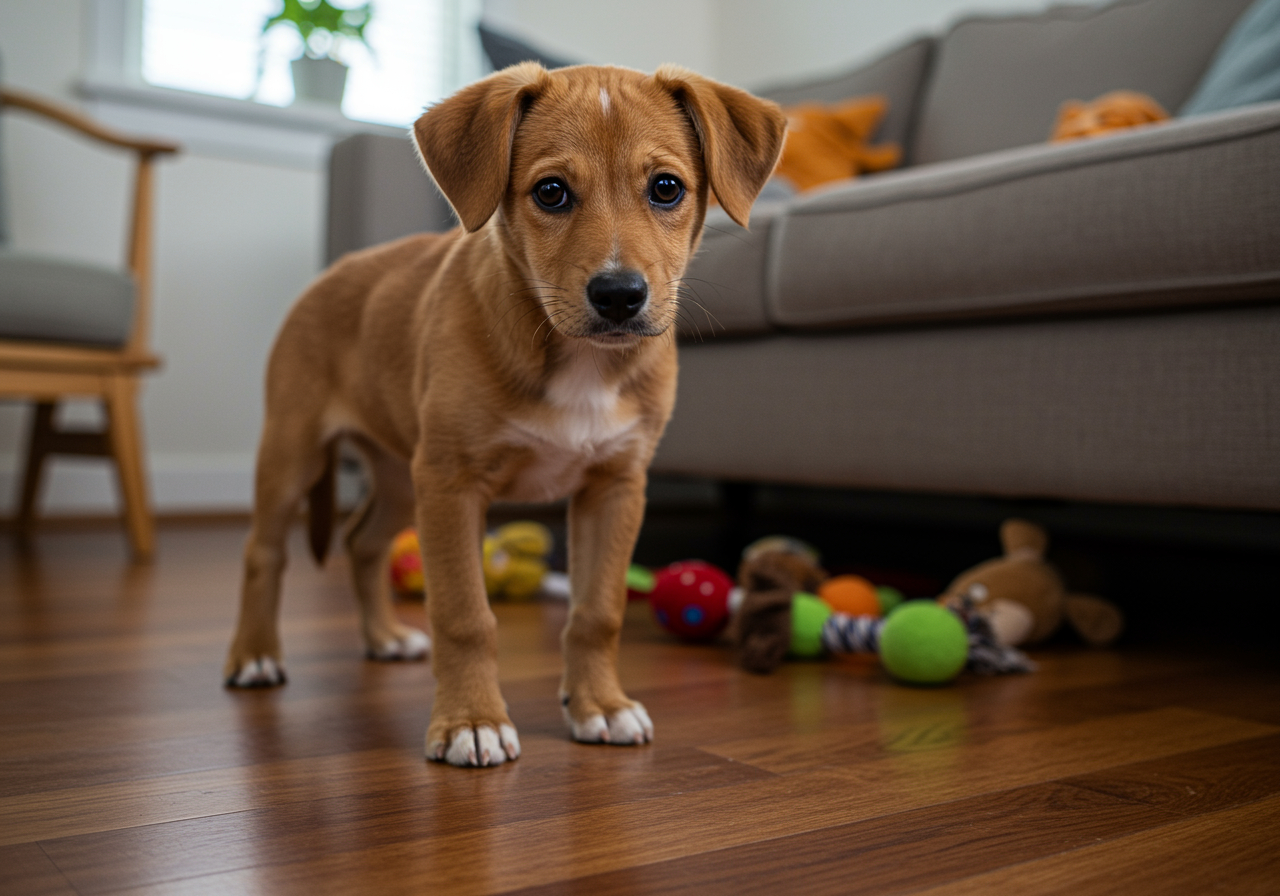
One of the most common questions new puppy owners ask is: "Can you leave a puppy home alone?" The answer isn't a simple yes or no—it depends on your puppy's age, training level, and individual temperament. While leaving a puppy alone is sometimes necessary, especially for working owners, doing it incorrectly can lead to separation anxiety, destructive behavior, and house training setbacks that persist into adulthood.
This comprehensive guide provides age-specific guidelines on how long you can leave a puppy alone, proven training methods to help your puppy adjust to solo time, and practical solutions for owners who must leave their puppies while at work. Whether you're preparing to leave your puppy alone for the first time or struggling with an anxious pup, you'll find expert-backed strategies to ensure your puppy's safety, wellbeing, and emotional health.
When Can Puppies Start Being Left Alone? Age-Based Guidelines
Understanding when puppies can be left alone safely requires considering their developmental stage, physical needs, and emotional maturity. Leaving a puppy alone too young or for too long can create lasting behavioral problems, while appropriate alone time builds confidence and independence.
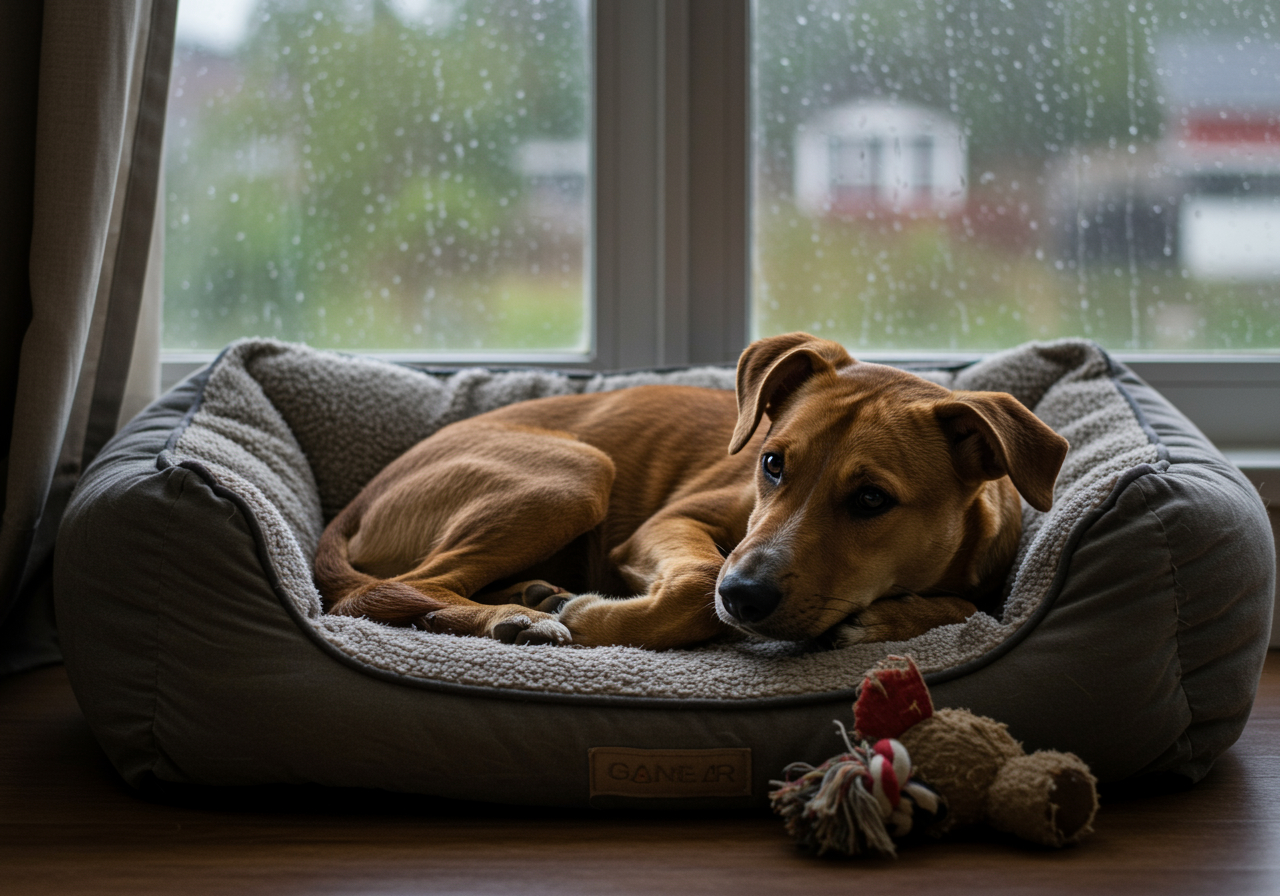
8-10 Weeks Old: Minimal Alone Time
At 8-10 weeks, puppies are in their critical socialization period and have extremely limited bladder control. Puppies this young can typically hold their bladder for only 1-2 hours maximum. They should not be left alone for more than 30-60 minutes, and even this should be worked up to gradually. At this age, puppies are just learning that they're separate beings from their littermates and mother, making extended isolation particularly stressful.
If you must leave an 8-10 week old puppy, ensure they're in a safe, puppy-proofed area with access to water, appropriate potty options (puppy pads if needed), and safe toys. However, this age really requires near-constant supervision for optimal development and house training success.
3-4 Months Old: Building Independence
By 3-4 months, puppies can typically hold their bladder for 3-4 hours during the day. This is an ideal age to start building tolerance for being alone. You can gradually work up to leaving your puppy alone for 2-4 hours, but this should be done progressively through training, not suddenly implemented.
At this developmental stage, puppies are still in their critical socialization window and learning about the world. Consistent routines and positive experiences with alone time during this period set the foundation for a confident adult dog. Many behavioral issues in adult dogs trace back to improper alone-time management during this crucial phase.
5-6 Months Old: Increasing Duration
Puppies aged 5-6 months generally can hold their bladder for 5-6 hours, though every four hours is still ideal for house training and comfort. If properly trained, puppies this age can handle being alone for 4-6 hours. However, this doesn't mean they should be left for this duration regularly—it's more about their maximum capacity rather than the ideal situation.
Keep in mind that 5-6 month old puppies are often hitting adolescence, which can bring regression in training and increased anxiety. Even well-trained puppies may suddenly struggle with separation during this developmental phase. Patience and consistency are crucial.
6 Months and Older: Adult-Like Capacity
From 6 months onward, most puppies can physically handle 6-8 hours alone, similar to adult dogs. However, "can" doesn't mean "should" for optimal wellbeing. Puppies this age still benefit enormously from midday interaction, exercise, and potty breaks. Their minds are still developing, and extended isolation can lead to boredom, destructive behavior, and anxiety issues.
How Long Should You Leave a Puppy Alone?
While the previous section covered maximum capacity at different ages, it's equally important to understand ideal durations for your puppy's emotional and physical wellbeing. Just because a puppy can physically hold their bladder doesn't mean extended isolation is healthy for their development.
The General Rule of Thumb
Veterinarians and animal behaviorists often use this formula: puppies can hold their bladder for one hour per month of age, plus one. So a 3-month-old puppy can hold it for approximately 4 hours, a 4-month-old for 5 hours, and so on, up to a maximum of about 8 hours for adult dogs.
However, for optimal development and wellbeing, aim for significantly less than this maximum. Young puppies (under 6 months) should ideally not be alone for more than 3-4 hours, regardless of their technical capacity. Their social, emotional, and cognitive development depends on regular interaction, play, and training.
Quality of Alone Time Matters
How your puppy spends their alone time significantly impacts how long they can handle it. A puppy left in a boring, barren crate for hours will struggle much more than one with engaging puzzle toys, comfortable space, and mental enrichment. Similarly, a puppy who receives adequate exercise and mental stimulation before being left alone will settle more easily than one who's already under-stimulated.
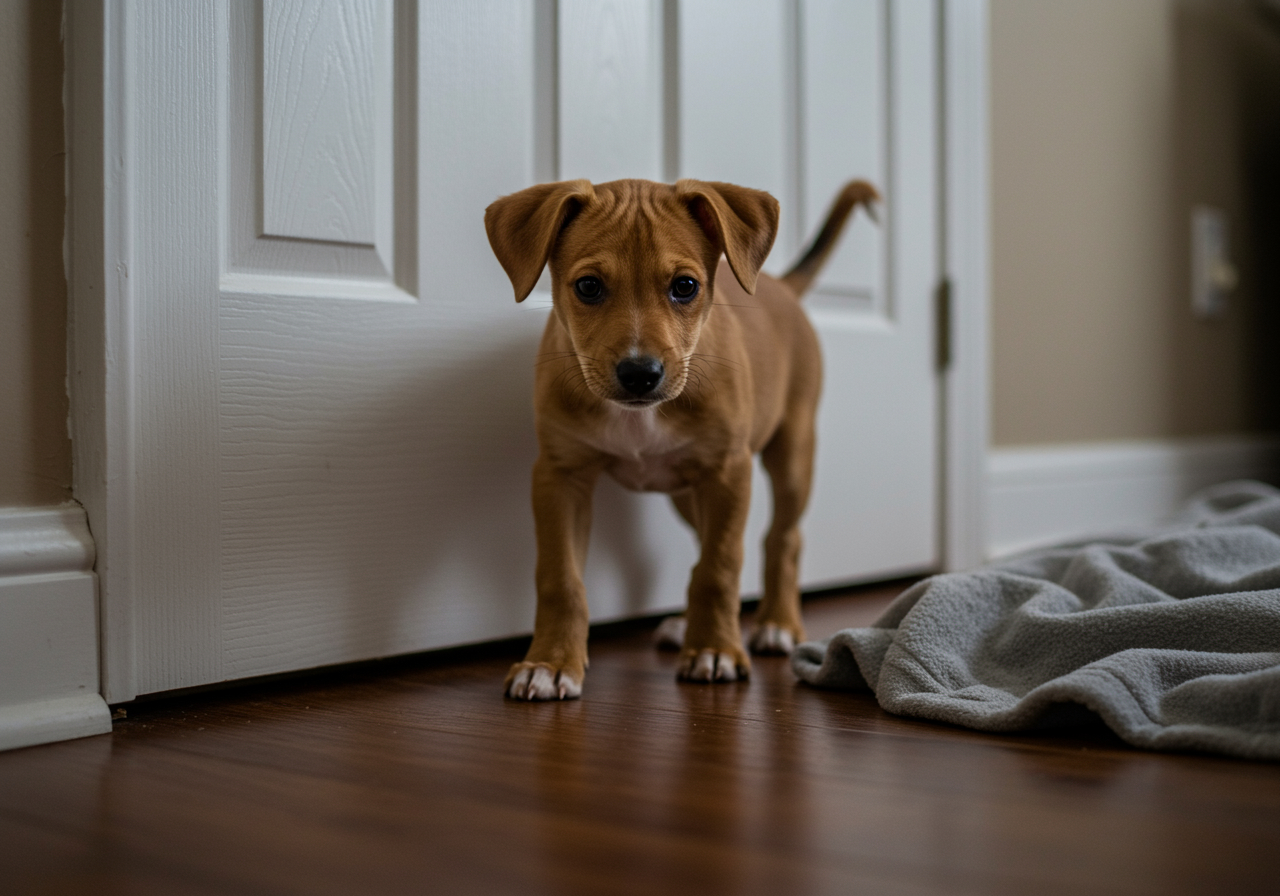
How to Get Your Puppy Used to Being Alone: Training Methods
Teaching your puppy to feel comfortable alone is one of the most valuable skills you can provide. This training prevents separation anxiety and creates a confident, well-adjusted adult dog. The key is gradual desensitization combined with positive associations.
Start Immediately but Start Small
Begin alone-time training from day one of bringing your puppy home, but start with incredibly brief separations. Even leaving the room for 10-30 seconds while your puppy is in their safe space counts as valuable training. The critical rule: always return before your puppy shows signs of distress. This prevents rehearsing anxious behavior and builds confidence that you always come back.
Gradually increase duration: 30 seconds, then 1 minute, then 2 minutes, then 5, then 10, and so on. This process takes weeks, not days. Rushing leads to anxiety and setbacks. Track your puppy's progress and only move to the next duration when your puppy is consistently calm at the current level.
Create Positive Associations with Departure
Transform your leaving into a positive event rather than something your puppy dreads. Special treats that appear only when you leave work wonderfully—frozen Kong toys filled with peanut butter, puzzle feeders with kibble, or long-lasting chews. Provide these items 5-10 minutes before you actually leave so your puppy is happily engaged when you slip out.
Make your actual departures calm and matter-of-fact. Avoid dramatic goodbyes, excessive petting, or talking in a high-pitched voice about how you'll "be right back." These behaviors signal that leaving is a big deal, which increases anxiety. Simply give the special treat, say a calm "I'll see you later" if anything, and leave.
Practice Random Departure Cues
Many puppies develop anxiety around pre-departure routines—picking up keys, putting on shoes, grabbing a coat. These become signals that trigger stress. Counter this by performing these actions randomly throughout the day without actually leaving. Pick up your keys and sit down to watch TV. Put on your coat and then make lunch. This desensitizes your puppy to these cues so they don't automatically predict your departure.
Gradually Extend Distance and Barriers
Start alone-time training with you in the next room, then same floor different room, then different floor, then stepping outside briefly, and finally actually leaving the house. Similarly, progress from visual barriers (baby gates where you're visible) to solid barriers (closed doors). Each step should be mastered before progressing to the next level.
Leaving Your Puppy Alone for the First Time: Preparation Checklist
The first time you leave your puppy alone sets the tone for future separations. Proper preparation can mean the difference between a calm, confident experience and one that triggers lasting anxiety. Use this comprehensive checklist to ensure success.
Before the First Departure
- Complete several weeks of gradual desensitization: Don't make the first real departure your first practice session
- Exercise your puppy: Take a good walk or play session 30-60 minutes before leaving to tire them physically and mentally
- Bathroom break: Ensure your puppy has fully relieved themselves immediately before you leave
- Fed appropriately: Don't leave right after a large meal (increases potty needs) but don't leave a very hungry puppy either
- Safe space prepared: Whether a crate, puppy-proofed room, or pen area, ensure it's ready and familiar
- Special treats ready: Have your departure-only treats prepared (frozen Kong, puzzle feeder, special chew)
- Temperature comfortable: Ensure heating/cooling is appropriate for your puppy's comfort
- Water available: Fresh water should be accessible (use non-tip bowls or bottles)
Setting Up the Environment
Create a calm, secure environment that supports your puppy's comfort. Remove any items that could be dangerous if chewed—electrical cords, small objects that could be swallowed, toxic plants, or anything valuable you don't want destroyed. Provide safe chew toys and comfort items like a blanket that smells like you.
Consider background noise like a white noise machine, calming music designed for dogs, or leaving a radio on low volume. These sounds mask outside noises that might startle your puppy and can be soothing. Some puppies also benefit from having a view out a window (if it doesn't trigger barking at passersby), while others do better with limited visual stimulation.
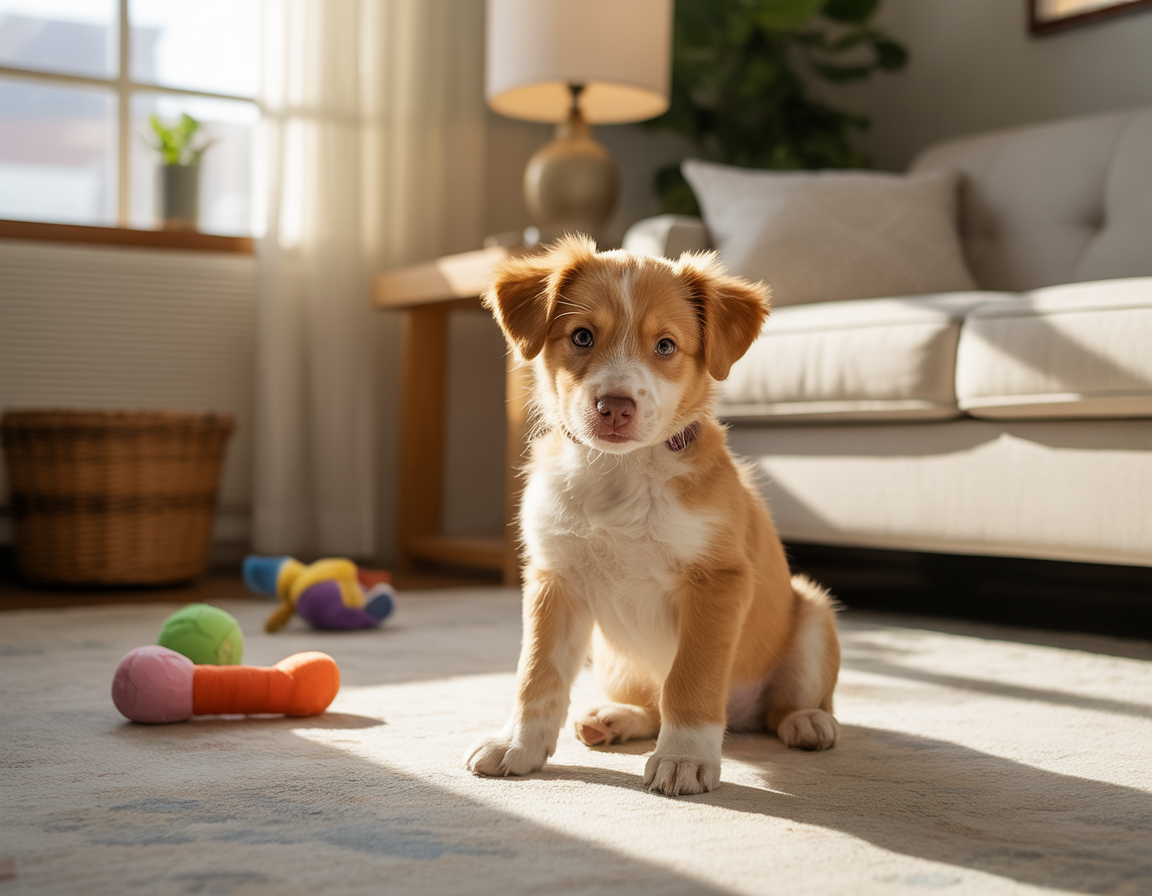
During the First Departure
Keep your first real departure short—30 minutes to an hour maximum, even if your training sessions have built up to longer. Real departures (actually leaving the house and property) feel different to puppies than you being in another room. Give your special departure treat, use your calm exit routine, and leave without fanfare.
If possible, have a pet camera set up so you can monitor your puppy's behavior without being present. This lets you see how they actually react and whether they settle after an initial period of stress. However, resist the urge to constantly check the camera—give your puppy time to work through initial anxiety and settle.
Upon Your Return
Keep returns calm and low-key, just like departures. Even if your puppy is wildly excited, wait for them to settle before giving attention. If you immediately greet an amped-up puppy, you reinforce that your return is an extremely exciting event, which by contrast makes your departure more stressful. Instead, come in calmly, ignore excited behavior, put away your things, and then greet your puppy once they've calmed down.
Take your puppy outside for a bathroom break immediately. Check their space for any accidents or issues. If there were accidents, clean them thoroughly with an enzymatic cleaner without punishing your puppy—punishment doesn't help house training and can create anxiety about your returns. If your puppy was calm and successful, you can gradually extend alone time in future sessions.
Leaving Your Puppy Home Alone While at Work: Solutions for Working Owners
Many puppy owners work full-time and face the challenge of leaving their puppy for 8+ hours daily. While this isn't ideal for young puppies, it's a reality for many families. The key is implementing creative solutions that ensure your puppy's needs are met even when you can't be there.
Timing Your Puppy's Arrival
If possible, bring your puppy home at the start of a vacation period or long weekend. This gives you extended time together for bonding, house training basics, and beginning alone-time training before returning to work. Even 4-5 days makes an enormous difference compared to bringing a puppy home on a Friday and leaving them all day Monday.
Some employers offer pet-friendly policies or work-from-home flexibility. If your workplace allows, consider bringing your puppy to work during their first few weeks, or arrange to work from home for a transitional period. Even partial solutions—like working from home 2-3 days per week—significantly ease the puppy's adjustment.
Midday Solutions
For young puppies, midday breaks are essential, not optional. If you cannot come home yourself, arrange for someone else to provide this care. Options include:
- Dog walkers or pet sitters: Professionals who come to your home midday for bathroom breaks, play, and socialization
- Trusted neighbors or friends: Someone your puppy knows who can pop in during their lunch break
- Family members: Relatives who might enjoy spending time with your puppy during the day
- Puppy daycare: Facilities where puppies socialize and play under supervision (discussed more below)
- Dog-loving colleagues: Coworkers who might visit during their lunch break, especially if you live near the workplace
For puppies under 6 months, aim for midday breaks every 3-4 hours at minimum. As your puppy matures, you can gradually extend the time between breaks. Even adult dogs benefit from midday interaction, though their physical needs aren't as urgent.
Puppy Daycare Considerations
Puppy daycare can be an excellent solution for working owners, providing socialization, exercise, and supervision. However, choose carefully—not all daycare facilities are equal. Look for facilities that separate puppies by age and size, have low puppy-to-staff ratios (ideally no more than 10-15 puppies per staff member), require up-to-date vaccinations, provide quiet rest periods (puppies need 15-20 hours of sleep daily), and have cleanly maintained, safe play areas.
Visit potential daycares in person, ask about their introduction process, and inquire about how they handle conflicts or stressed puppies. Good facilities will require a temperament assessment before accepting your puppy and will start with gradual introduction—perhaps a few hours initially rather than full days. Keep in mind that daycare can be overwhelming for some puppies, particularly anxious or introverted individuals. Monitor your puppy's behavior at home—if they become more anxious or hyperactive, daycare might be overstimulating.
Creating a Routine Around Work Schedule
Establish a consistent routine that maximizes time with your puppy around work hours. Wake earlier for morning play and training sessions—a well-exercised puppy settles better during the day. Maintain strict schedules for feeding times, which helps regulate bathroom schedules. Reserve evenings for quality interaction, training, and exercise rather than just letting your puppy "be" while you decompress. Make weekends count with extra socialization, longer play sessions, and continued training.
Consider that puppies left alone all day and then crated all night for your sleep have too little freedom and interaction. If you work long hours, your puppy's evenings should include substantial free time in the house with you (supervised, of course) rather than being confined again immediately after you arrive home.
Is It Okay to Leave a Puppy Alone? Expert Perspective
Pet owners often ask: "Is it okay to leave a puppy alone?" or "Is it bad to leave a puppy alone?" The answer is nuanced and depends on how it's done. Understanding both the benefits and risks helps you make informed decisions for your specific situation.
The Benefits of Appropriate Alone Time
Teaching puppies to be comfortable alone is actually beneficial for their development. Appropriate alone time builds independence and confidence—puppies learn they can cope without constant human presence. It prevents separation anxiety by normalizing your absence from an early age. It creates a well-adjusted adult dog who isn't stressed by routine departures. Additionally, it's simply realistic—unless someone is home 24/7, dogs need this skill.
Dogs who are never left alone often develop severe separation anxiety when circumstances inevitably change—whether due to owners returning to work, medical emergencies requiring them to be boarded, or simply normal daily activities. Building this tolerance while young is far easier than trying to address severe anxiety in an adult dog. For more information on managing separation issues, read our comprehensive guide on what to do when your dog cries when you leave.
When Alone Time Becomes Problematic
However, leaving puppies alone becomes harmful when done excessively or improperly. Puppies left alone too long regularly (exceeding age-appropriate limits) can develop anxiety, destructive behaviors, and house training issues. Puppies left without proper preparation or training may become fearful and insecure. Isolation during critical developmental periods (8-16 weeks) without adequate socialization leads to behavioral problems. Physical needs being unmet—unable to hold bladder, lacking water, or being uncomfortable—creates unnecessary distress.
The goal is balance—enough alone time that your puppy develops healthy independence, but not so much that they feel abandoned, overwhelmed, or neglected. This balance varies by individual puppy, their age, and your specific circumstances.
Warning Signs Your Puppy Is Alone Too Much
Monitor your puppy for signs they're struggling with current alone-time arrangements. Warning signs include excessive vocalization (barking, howling, whining) that doesn't settle, destructive behavior focused on doors, windows, or your belongings, house training regression despite previous success, excessive excitement or anxiety at your departures or returns, self-soothing behaviors like excessive licking or chewing of paws, changes in appetite or lethargy, and hyperattachment behaviors when you are home (following you everywhere, panicking when you move rooms).
If you notice these signs, reevaluate your alone-time strategy. Your puppy may need more gradual training, shorter durations, midday breaks, or environmental changes. Addressing issues early prevents them from becoming entrenched behavioral problems.
Safety Considerations and Puppy-Proofing
Beyond emotional considerations, leaving puppies alone safely requires thorough puppy-proofing. Young dogs explore their environment with their mouths and can get into dangerous situations quickly when unsupervised.
Essential Puppy-Proofing Steps
- Electrical cords: Tape cords to walls or use cord covers—chewing cords can cause severe burns or electrocution
- Toxic substances: Secure all cleaning products, medications, chemicals, and human foods that are toxic to dogs (chocolate, grapes, xylitol, onions)
- Small objects: Remove anything small enough to swallow—coins, hair ties, buttons, children's toys
- Toxic plants: Many common houseplants are toxic to dogs; remove or place out of reach
- Garbage cans: Use locking lids or place in cabinets puppies cannot access
- String, ribbons, yarn: These can cause intestinal blockages if swallowed
- Sharp objects: Ensure no access to knives, scissors, or other sharp items
- Unstable furniture: Secure bookcases and TVs that could tip if jumped on
Crate Safety vs. Room Freedom
The decision between crating your puppy and allowing room freedom depends on your puppy's age, training level, and individual temperament. Crates offer several safety advantages when used correctly—they prevent access to dangerous items, they limit house training accidents to a smaller area, they provide a den-like space many puppies find comforting, and they prevent destructive behavior when you cannot supervise.
However, crates must be used appropriately. Never crate a puppy longer than their bladder control allows (typically one hour per month of age plus one hour, maximum 8 hours for adult dogs). Ensure the crate is properly sized—large enough to stand, turn around, and lie down, but not so large that one end becomes a bathroom. Never use crates as punishment. Provide water if crated for more than 2 hours (attach a bottle to avoid spills). Include comfortable bedding and a safe chew toy.
Room freedom is appropriate for some puppies who are thoroughly trained, reliably house-trained, and past destructive chewing phases. Start with a very small, completely puppy-proofed area (like a bathroom or small section of kitchen) before graduating to larger spaces. Use baby gates to restrict access to safe zones. If your puppy struggles with house training or chewing in larger spaces, revert to more confined areas until they mature.
Temperature and Comfort
Puppies are more sensitive to temperature extremes than adult dogs. Ensure your home maintains comfortable temperatures while you're away—generally 68-75°F is ideal. Avoid leaving puppies in rooms with significant temperature fluctuations (like sunrooms that overheat). Ensure adequate ventilation and fresh air. Provide comfortable bedding appropriate for the season (cooling mats in summer, warm blankets in winter). Never leave puppies in cars, even briefly, as temperatures can become deadly within minutes.
Breed and Individual Differences
While age-based guidelines provide a framework, individual puppies vary significantly in their ability to handle alone time. Breed tendencies, individual temperament, and past experiences all influence how your specific puppy responds to separation.
Breed Considerations
Some breeds are predisposed to struggle with alone time more than others. Companion breeds (Cavalier King Charles Spaniels, Havanese, Maltese) were literally bred for constant human companionship and often find separation particularly difficult. Herding breeds (Border Collies, Australian Shepherds, German Shepherds) are highly intelligent and form intense bonds, potentially leading to anxiety. Retrievers like Golden Retrievers are people-oriented and may struggle with extended isolation.
Conversely, some breeds are more independent by nature. Many terrier breeds, originally bred to work independently from humans, often handle alone time well. Hounds and some working breeds can be relatively comfortable with solitude. However, these are generalizations—individual variation within breeds is substantial.
Temperament and Personality
Beyond breed, your individual puppy's temperament matters enormously. Confident, independent puppies generally adjust to alone time more easily than anxious, clingy ones. Puppies with high energy levels may struggle with boredom when left alone versus calmer puppies. Those who experienced early separation from their mother or traumatic events may have heightened separation sensitivity.
Adjust your approach based on your puppy's personality. An anxious puppy needs even more gradual desensitization and reassurance. A high-energy puppy requires extra exercise and mental stimulation before alone time. Observe your specific puppy's responses and customize your strategy accordingly.
Common Mistakes to Avoid
Even well-intentioned puppy owners make mistakes that can worsen separation issues. Avoiding these common pitfalls sets your puppy up for success.
Mistake 1: Rushing the Process
The most common error is progressing too quickly through alone-time training. Taking a puppy from zero alone time to being left all day within a week overwhelms them and creates anxiety. Always build gradually, even if it feels tediously slow. Several weeks of patient training prevents months of separation anxiety treatment later.
Mistake 2: Dramatic Departures and Returns
Making a big fuss when you leave or return teaches your puppy that these events are highly significant and emotional. This amplifies the contrast between "together time" and "alone time," making separation more stressful. Keep comings and goings calm and unremarkable.
Mistake 3: Returning During Distress
If you return while your puppy is crying or barking, you inadvertently reinforce that vocalization brings you back. The puppy learns "if I cry, they return," which worsens the behavior. This is why returning before distress begins (during early training) is crucial. If you must return during crying (for safety or neighbor considerations), wait for even a brief quiet moment before entering.
Mistake 4: Inadequate Exercise and Enrichment
A bored, under-exercised puppy will struggle to settle when alone. Ensure your puppy receives age-appropriate physical exercise and mental stimulation before alone periods. A tired puppy is a calmer puppy, but avoid immediately pre-departure exercise—give 30-60 minutes for your puppy to settle from excited to calm-tired.
Mistake 5: Using Punishment
Coming home to destruction or accidents and punishing your puppy is both ineffective and harmful. Puppies don't connect punishment delivered after the fact with past behavior—they just learn that your returns are scary and unpredictable. This increases anxiety about both your leaving and returning. Instead, prevent problems through proper confinement and management, and clean up accidents without fanfare.
Long-Term Management and Adjustments
Successfully leaving a puppy alone isn't a one-time achievement—it requires ongoing management as your puppy grows and circumstances change.
Adolescent Regression
Many puppies who handled alone time beautifully suddenly struggle during adolescence (roughly 6-18 months, varying by breed). This is completely normal—hormonal changes and brain development during this period can trigger temporary regression in many behaviors, including comfort with being alone. Don't panic or assume you've failed. Return to shorter durations and more frequent practice until your puppy regains their confidence. This phase passes with patience and consistency.
Life Changes and Adjustments
Significant life changes may require revisiting alone-time training. Moving to a new home, changes in household members, schedule shifts, or other disruptions can trigger temporary regression. When changes occur, temporarily reduce alone time and rebuild gradually in the new circumstances. What worked in your previous home or schedule might need adjustment for new situations.
Maintaining Skills
Even once your puppy is comfortable alone, continue to occasionally practice separation. Dogs who experience constant human presence for extended periods (like during vacations or work-from-home stretches) may struggle when routines suddenly change. Maintain skills through regular practice—short absences here and there, even when not necessary, keep independence skills sharp.
When to Seek Professional Help
Sometimes despite best efforts, puppies struggle significantly with being alone. Knowing when to seek professional help can prevent minor issues from becoming severe behavioral problems.
Warning Signs Professional Help Is Needed
Consider consulting a certified dog behaviorist or veterinary behaviorist if your puppy shows extreme panic responses (screaming, self-injury, desperate escape attempts), doesn't improve despite 6-8 weeks of consistent training, regresses significantly rather than progressing, shows aggression related to confinement or your departures, or has medical issues potentially contributing to anxiety. For puppies showing severe distress, professional guidance can provide customized strategies and potentially medication support.
Don't wait until problems are severe—early intervention is much more effective than treating entrenched anxiety. A qualified professional can observe your specific situation, identify factors you might miss, and create a tailored treatment plan. For more guidance on managing crying behavior, check our article on how to stop your puppy from crying when you leave.
Conclusion: Setting Your Puppy Up for Success
Can you leave a puppy home alone? Yes—with proper preparation, age-appropriate duration, and gradual training, most puppies can learn to feel comfortable and secure during solo time. The key is approaching this as a training process, not an expectation your puppy should automatically meet. Young puppies need frequent care and companionship, and working within their developmental capabilities sets them up for long-term success.
Remember that how long you can leave a puppy alone varies dramatically by age—from just 30-60 minutes for 8-week-old puppies to 4-6 hours for those 6 months and older. However, just because a puppy can physically handle certain durations doesn't mean it's ideal for their development. Err on the side of more interaction rather than less, especially during critical socialization periods.
For working owners wondering if it's okay to leave a puppy home alone while at work, the answer is yes—with proper planning. Midday breaks through dog walkers, trusted friends, or puppy daycare make full-time work compatible with puppy raising. Combine these practical solutions with consistent training, puppy-proofed safe spaces, and adequate exercise, and your puppy can thrive even with your work schedule.
Ready to start alone-time training? Begin today with just 30 seconds of separation. Give your puppy a special treat, step out of sight, and return before any anxiety begins. With patience, consistency, and gradual progression, you'll build your puppy's confidence and independence—skills that benefit them throughout their entire life. For additional support on separation-related behaviors, explore our guide on how long dogs can be left alone at different life stages.
Key Takeaways
- Puppies' alone-time capacity increases with age: 8-10 weeks (30-60 min), 3-4 months (2-4 hours), 6+ months (4-6 hours)
- The general rule is one hour alone per month of age, plus one, but aim for less than maximum capacity
- Start alone-time training from day one with very brief separations, building gradually over weeks
- Working owners can successfully raise puppies with midday breaks via dog walkers, sitters, or daycare
- Proper puppy-proofing ensures safety whether using crates or allowing room freedom
- Make departures and returns calm and unremarkable to avoid increasing separation stress
- Seek professional help if your puppy shows extreme distress or doesn't improve with consistent training