
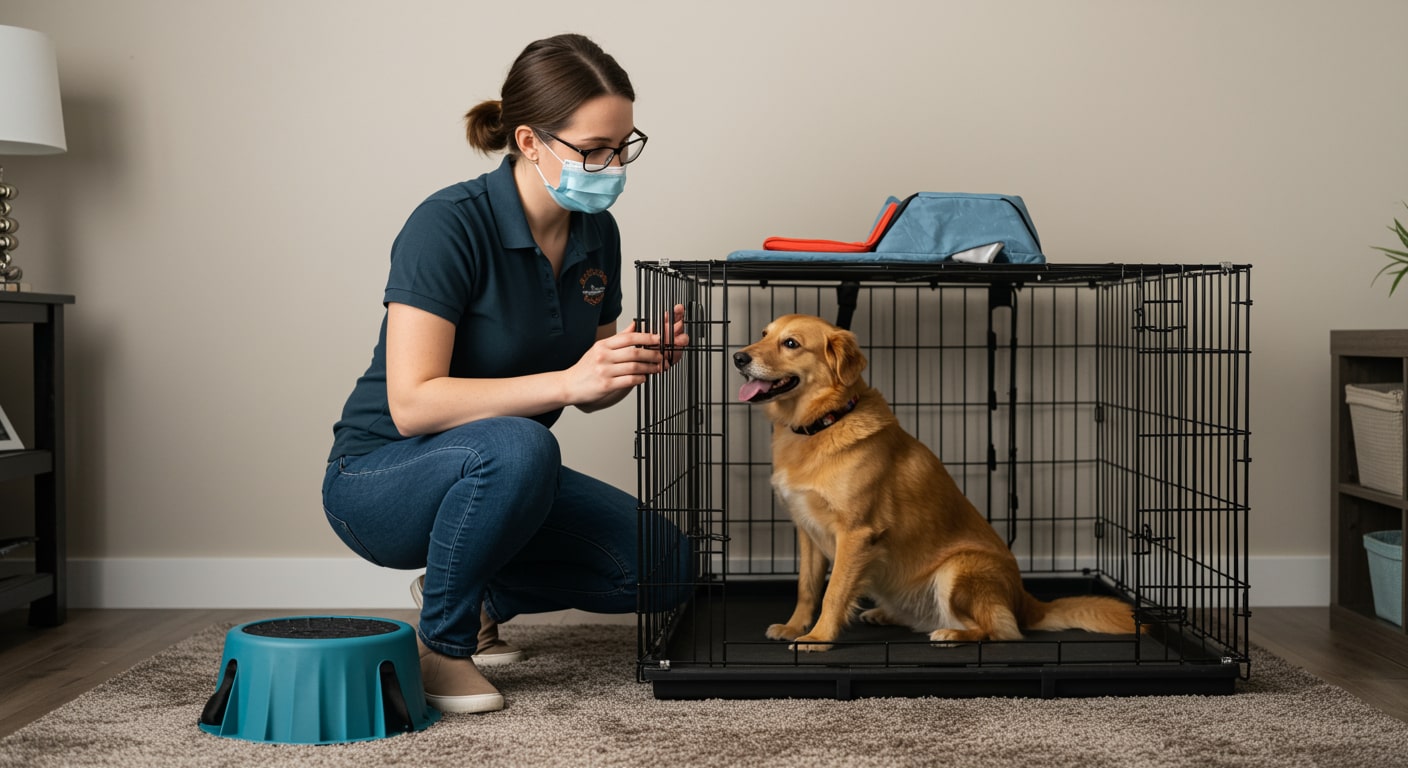
When your dog experiences separation anxiety, the distress can be overwhelming for both you and your beloved companion. Destructive behavior, excessive barking, house soiling, and self-harm are just some of the heartbreaking manifestations of this condition. While many pet parents attempt DIY solutions, there comes a point when professional help from a dog behaviorist for separation anxiety becomes not just beneficial, but essential for your dog's wellbeing and quality of life.
Finding the right dog trainers for separation anxiety and implementing a comprehensive dog separation anxiety training plan can transform your anxious dog into a calm, confident companion. This guide will help you understand when professional intervention is needed, how to find qualified separation anxiety training near me, what to expect from trainers for dogs with anxiety, and how a structured puppy separation anxiety training schedule can prevent future problems.
Why Professional Help Matters for Separation Anxiety
Separation anxiety is one of the most challenging behavioral issues dog owners face. Unlike simple preference for company or boredom-related misbehavior, true separation anxiety is a panic disorder. Dogs experiencing separation anxiety aren't being spiteful or stubborn—they're genuinely terrified when left alone, experiencing physiological stress responses similar to human panic attacks.
Professional dog behaviorists for anxiety bring specialized knowledge that goes far beyond basic obedience training. They understand the neurological and psychological components of anxiety disorders, can differentiate between various types of distress behaviors, and develop customized protocols based on your dog's specific triggers and severity level. Most importantly, they can identify whether what appears to be separation anxiety might actually stem from medical issues, incomplete housetraining, or other behavioral problems requiring different approaches.
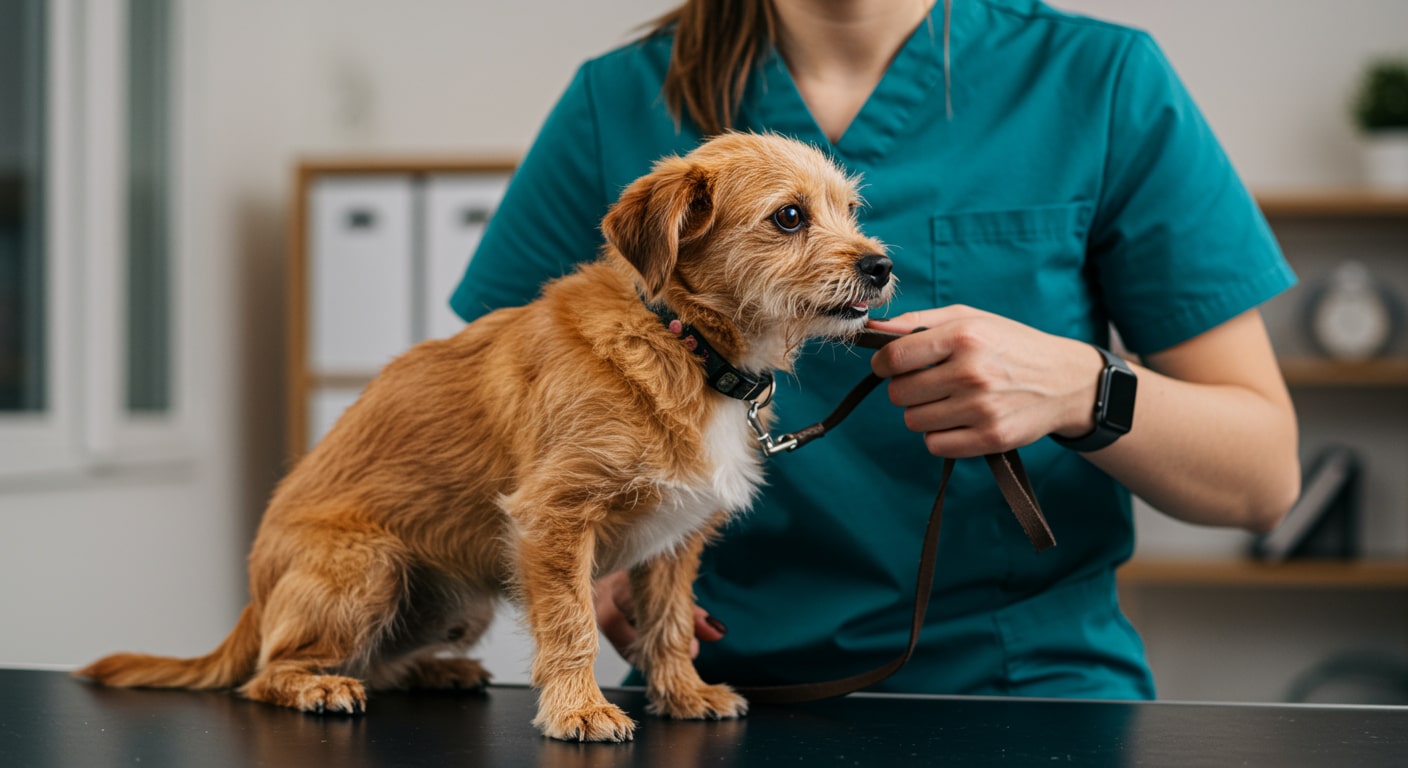
What Is a Dog Behaviorist vs Dog Trainer
Understanding the difference between behaviorists and trainers is crucial for finding the right professional help for separation anxiety.
Certified Veterinary Behaviorist (DACVB)
Veterinary behaviorists are veterinarians who have completed additional specialized residency training in animal behavior. They can diagnose behavioral disorders, prescribe medication, rule out medical causes of behavior problems, and develop comprehensive treatment plans integrating both behavioral modification and pharmacological interventions when necessary. For severe separation anxiety cases, especially those involving self-harm or extreme panic, a veterinary behaviorist is often the gold standard.
Applied Animal Behaviorist (CAAB or ACAAB)
These professionals hold advanced degrees in animal behavior, ethology, or related fields and have extensive training in behavior modification theory and application. While they cannot prescribe medication, they provide expert-level behavior modification protocols and often work in conjunction with veterinarians when medication might be beneficial.
Certified Professional Dog Trainer (CPDT-KA or CPDT-KSA)
Certified professional dog trainers with specialization in anxiety and behavior problems can provide excellent help for mild to moderate separation anxiety. They focus on training protocols, desensitization, and counterconditioning techniques. Look for trainers with specific continuing education in anxiety disorders and separation anxiety protocols.
Fear-Free Certified Professionals
Fear-Free certification indicates that the professional has completed training in reducing fear, anxiety, and stress in animals. This certification can be held by veterinarians, trainers, or behaviorists and indicates a commitment to low-stress handling and treatment approaches particularly valuable for anxious dogs.
When to Hire a Dog Behaviorist for Separation Anxiety
Recognizing when professional help is needed can prevent your dog's condition from worsening and reduce the time it takes to see improvement.
Severity Indicators
Seek professional help immediately if your dog is injuring themselves through escape attempts, destructive behavior causes significant property damage, anxiety triggers self-mutilation behaviors like excessive licking or chewing, your dog becomes aggressive when you attempt to leave, house soiling occurs despite being fully housetrained, or your dog refuses to eat for extended periods when alone.
Lack of Progress
If you've consistently implemented basic separation anxiety strategies for 4-6 weeks without improvement, it's time to consult a professional. Similarly, if your dog's anxiety is worsening despite your efforts, or you're seeing temporary improvements that don't last, professional assessment can identify what's not working and why.
Impact on Quality of Life
When separation anxiety significantly impacts your life—preventing you from working, maintaining relationships, or engaging in necessary activities—or when it severely limits your dog's wellbeing and happiness, professional intervention becomes essential. You shouldn't have to choose between your dog's wellbeing and your quality of life—the right professional can help address both.
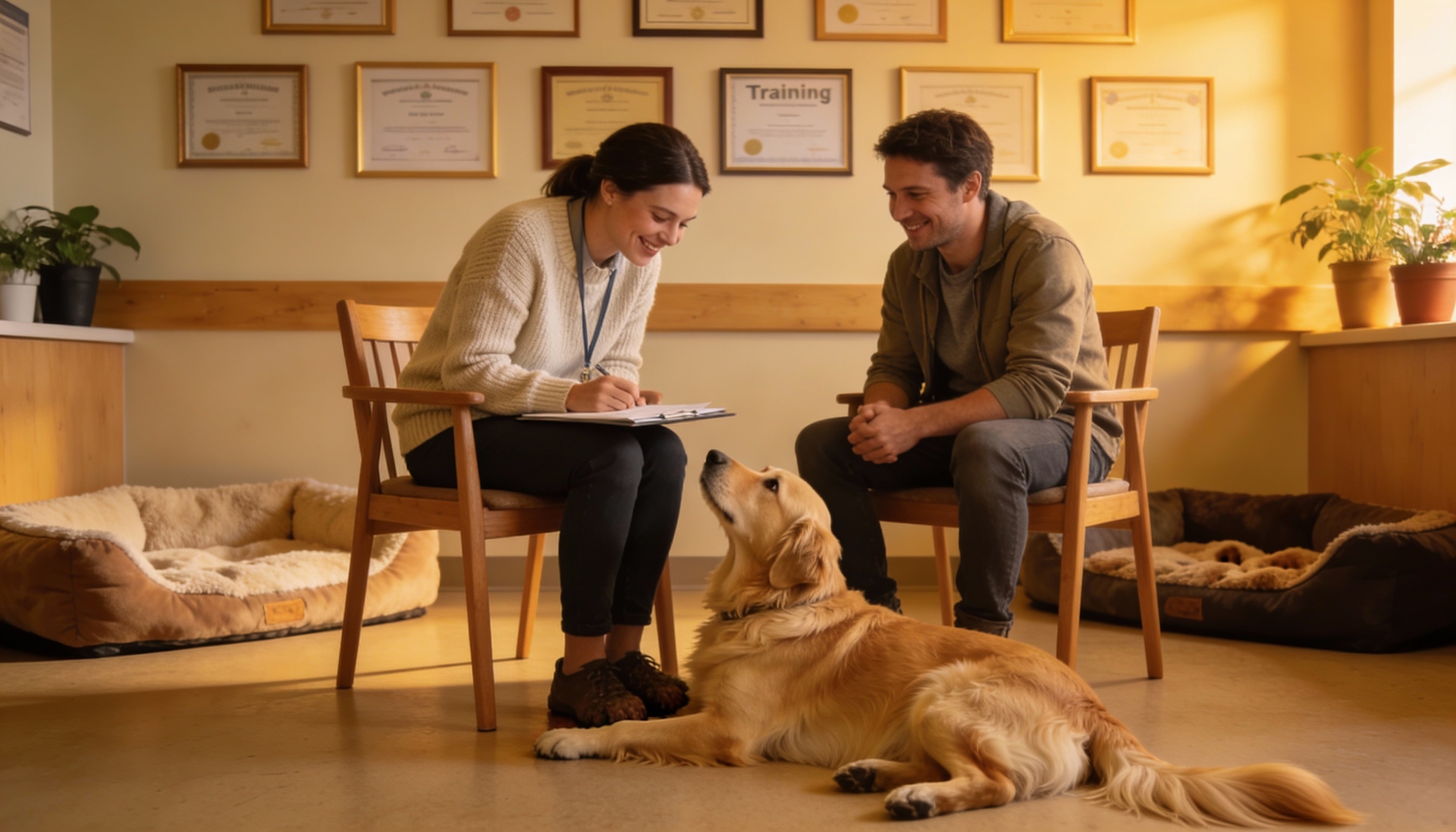
Dog Separation Anxiety Training Plan: Comprehensive Overview
A professional dog separation anxiety training plan typically involves multiple components implemented simultaneously over weeks or months. Understanding what's involved helps set realistic expectations.
Initial Assessment and Baseline
Your behaviorist will conduct a thorough assessment including detailed history taking about when anxiety started, specific triggers, and progression over time. They'll evaluate the severity level through questionnaires and possibly video review of your dog's alone-time behavior. Medical history review ensures no underlying health issues contribute to anxiety. The professional will identify your dog's specific distress signals and threshold—the point at which anxiety begins.
Desensitization and Counterconditioning
The foundation of separation anxiety training involves systematic desensitization—gradually exposing your dog to being alone in such small increments that anxiety never reaches threshold levels. Counterconditioning pairs alone time with positive experiences, teaching your dog that your absence predicts good things. This process starts with absences of just seconds and builds over weeks to minutes, then hours. Success requires hundreds of repetitions below the anxiety threshold.
Departure Cue Desensitization
Dogs learn to recognize pre-departure cues: keys jingling, shoes going on, bags being grabbed. These cues trigger anxiety before you even leave. Training involves performing these actions randomly throughout the day without leaving, breaking the predictive association. Eventually, these cues lose their anxiety-triggering power.
Environmental Management
Your dog separation anxiety training plan will include environmental modifications such as creating safe, comfortable spaces where your dog stays when alone, using calming aids like pheromone diffusers, white noise machines, or anxiety wraps, providing appropriate mental stimulation through puzzle toys and long-lasting chews, and adjusting lighting, temperature, and noise levels to reduce stress triggers.
Exercise and Enrichment Protocol
Adequate physical and mental exercise reduces baseline anxiety levels. Your plan will specify daily exercise requirements based on your dog's age, breed, and health status, mental stimulation activities like scent work, training sessions, or food puzzles, timing of exercise relative to alone time (usually 30-60 minutes before), and activities to avoid immediately before departure that might overstimulate rather than calm.
Owner Behavior Modification
Surprisingly, much of separation anxiety training focuses on changing owner behavior. You'll learn to practice calm, unemotional departures and arrivals without dramatic goodbyes or greetings, avoid reinforcing anxious behavior through attention or reassurance, maintain consistency in all interactions and routines, and manage your own anxiety about leaving your dog, which they can sense and mirror.
Puppy Separation Anxiety Training Schedule: Age-Based Approach
Prevention is far easier than treatment. A structured puppy separation anxiety training schedule teaches independence from the start, preventing anxiety from developing in the first place.
8-12 Weeks: Foundation Building
During this critical socialization period, focus on creating positive alone-time associations. Practice very brief separations—start with just stepping out of sight for 5 seconds. Gradually build to 30-second to 1-minute absences while puppy is in a safe, confined space. Create independence by encouraging puppy to play or settle independently even when you're home. Use crate training positively, making the crate a reward-filled safe haven rather than punishment. At this age, never leave puppies alone for more than 1-2 hours due to bathroom needs.
12-16 Weeks: Increasing Duration
Build on foundation skills with slightly longer absences of 5-15 minutes multiple times daily. Introduce departure cues gradually—pick up keys, put on shoes, but don't always leave. Practice leaving through different doors and at different times of day. Begin room-to-room separations where puppy is in one room while you're in another. Maintain consistency in alone-time routines. Maximum alone time at this age is approximately 3-4 hours.
4-6 Months: Building Confidence
Extend absences to 15-45 minutes regularly. Vary the duration so puppy doesn't predict exactly how long you'll be gone. Start using interactive toys that only appear during alone time, making your absence special. Practice mock departures where you prepare to leave but don't actually go. Ensure puppy experiences regular alone time even when not necessary, maintaining skills. Maximum alone time increases to 4-6 hours with appropriate bathroom breaks.
6-12 Months: Adolescence Challenges
Adolescence often brings regression in separation anxiety training. Maintain consistency despite setbacks. Continue regular alone-time practice even if puppy seems comfortable. Increase mental and physical exercise as energy levels rise. Be prepared for some testing of boundaries—adolescent puppies may suddenly vocalize or become destructive even if previously calm. Return to shorter durations temporarily if regression occurs. By one year, most dogs can comfortably handle 6-8 hours alone if properly trained.
Throughout All Stages
Certain principles apply across all ages: never punish anxiety-driven behavior, always return before distress becomes overwhelming, build duration slowly—rushing guarantees setbacks, celebrate small successes rather than focusing on setbacks, and maintain predictable routines for feeding, exercise, and alone time.
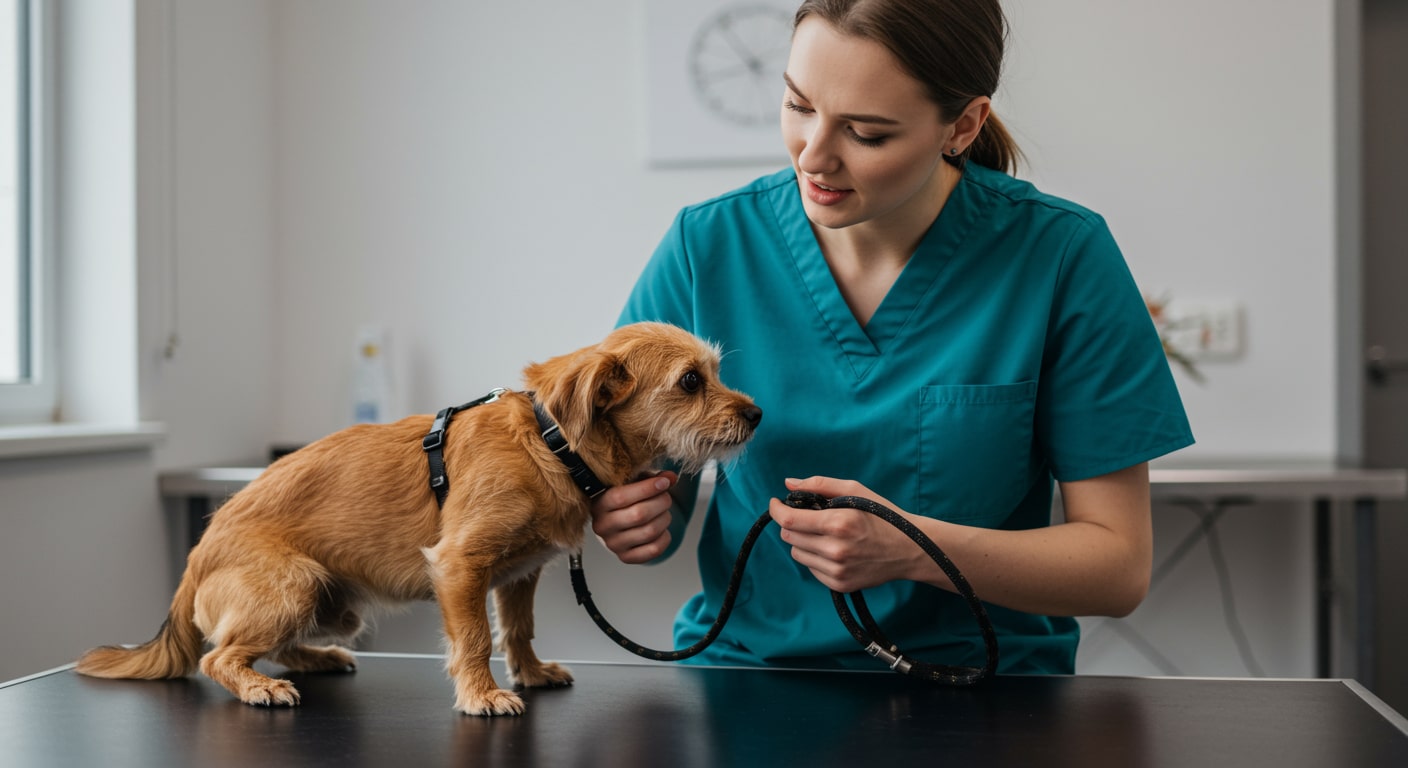
How to Find Dog Trainers for Separation Anxiety
Finding qualified trainers for dogs with anxiety requires research and careful vetting. Not all dog trainers are equipped to handle anxiety disorders effectively.
Credentials to Look For
Prioritize professionals with recognized certifications including Certified Veterinary Behaviorist (DACVB) for severe cases, Certified Applied Animal Behaviorist (CAAB or ACAAB) for expert behavior modification, Certified Professional Dog Trainer-Knowledge Assessed (CPDT-KA) with anxiety specialization, Certified Separation Anxiety Trainer (CSAT) specifically trained in separation anxiety protocols, or Fear-Free Certified Professional (FFCP) indicating low-stress approach training. Verify credentials through certifying organizations—legitimate professionals will gladly provide verification.
Training Philosophy
Ensure any professional uses force-free, positive reinforcement-based methods. Avoid trainers who advocate punishment, dominance theory, or aversive tools like shock collars, prong collars, or alpha rolls for anxiety treatment. These methods not only fail to address the underlying anxiety but often severely worsen it. Ask directly about their approach to separation anxiety and request references from previous clients with similar issues.
Questions to Ask
When interviewing potential trainers or behaviorists, ask what certifications and continuing education they have in anxiety disorders, how many separation anxiety cases they've worked with and their success rate, what their typical training plan involves and expected timeline, whether they work with veterinarians for medication consultation when needed, what their policy is if you don't see progress, whether they offer in-home assessments or video consultation options, what ongoing support they provide throughout the training process, and what their fees are and what's included.
Separation Anxiety Training Near Me: How to Search and What to Look For
Finding local, qualified separation anxiety dog training near me requires knowing where to look and how to evaluate options.
Where to Search
Start your search through professional organization directories. The American College of Veterinary Behaviorists (dacvb.org) maintains a directory of board-certified veterinary behaviorists. The Animal Behavior Society (animalbehaviorsociety.org) lists certified applied animal behaviorists. The Certification Council for Professional Dog Trainers (ccpdt.org) has a searchable database of certified trainers. The International Association of Animal Behavior Consultants (iaabc.org) includes separation anxiety specialists. The Academy for Dog Trainers and Karen Pryor Academy graduate directories list science-based trainers.
Virtual Options Expand Possibilities
Don't limit yourself to only local options. Many separation anxiety specialists work virtually, which can actually be advantageous since they can observe your dog's alone-time behavior through video and provide real-time coaching during training sessions. Virtual training is often more affordable and allows access to top specialists regardless of geographic location.
Red Flags to Avoid
Steer clear of professionals who guarantee quick fixes—separation anxiety treatment takes weeks or months, not days. Avoid those who refuse to work with veterinarians on medication consultation, use or recommend aversive training tools, can't provide verifiable credentials or references, make you sign contracts preventing you from seeking second opinions, or blame you for causing the anxiety. These are signs of unprofessional or potentially harmful practitioners.
Trial Sessions and Guarantees
Many reputable trainers offer initial consultation sessions where you can assess fit before committing to full programs. Be wary of money-back guarantees in separation anxiety cases—ethical professionals know that success depends heavily on owner compliance and individual dog factors they can't control. However, they should offer ongoing support and plan adjustments if initial approaches aren't working.
What to Expect from Dog Behaviorist for Anxiety
Understanding the typical process helps you prepare and maximizes the value of professional intervention.
Initial Consultation
Your first session typically lasts 1-2 hours and includes comprehensive history taking covering your dog's background, when anxiety started, progression over time, and current severity. You'll discuss your household routine, who's home when, and your schedule constraints. The behaviorist will observe your dog's behavior, stress signals, and interaction with you. Many request video of your dog's alone-time behavior. You'll leave with homework assignments to begin immediately and a structured plan outline.
Ongoing Sessions
Follow-up sessions might be weekly, bi-weekly, or monthly depending on severity and your budget. These sessions review progress, troubleshoot challenges, adjust protocols based on what's working or not, introduce the next training steps, and provide accountability and support. Between sessions, you'll implement daily training exercises, track your dog's progress, and communicate with your behaviorist about questions or setbacks.
Timeline Expectations
Mild separation anxiety might show significant improvement in 4-8 weeks with consistent work. Moderate cases typically require 2-4 months of dedicated training. Severe cases can take 6-12 months or longer, sometimes requiring ongoing management strategies. Progress is rarely linear—expect ups and downs, good days and setbacks. Patience and consistency are absolutely essential.
Training Methods and Approaches
Understanding the science-based methods professionals use helps you recognize quality training and implement protocols correctly.
Systematic Desensitization
This cornerstone technique involves exposing your dog to separation-triggering situations at intensities low enough that anxiety doesn't occur. You might start with just standing up from the couch, then walking toward the door, then touching the doorknob, then opening it an inch, and so on. Each step is repeated until your dog shows zero anxiety before progressing. The key is staying below threshold—if anxiety appears, the exposure was too intense.
Counterconditioning
This technique pairs separation with something your dog loves, changing the emotional response from fear to positive anticipation. For example, your dog might receive a special stuffed Kong only when you leave, so departure predicts delicious food. Over time, your absence becomes a cue for good things, replacing anxiety with positive expectations.
Relaxation Protocol
Dr. Karen Overall's Relaxation Protocol teaches dogs to settle on command and remain calm during various movements and activities. This builds a foundation of calm behavior that transfers to separation situations. The protocol involves practicing settling while you move around, create distractions, and eventually leave sight.
Specific Techniques for Crate-Related Anxiety
Many separation anxiety cases involve crate distress. Our comprehensive guide on dog kennel anxiety provides detailed protocols for dogs who struggle specifically with crate confinement. Additionally, if your dog experiences elimination issues in their crate, our article on dogs who pee in their crate addresses this challenge. For general guidance on integrating crates into separation anxiety treatment, see our resource on crate training for dogs with separation anxiety.
Cost and Timeline
Professional separation anxiety treatment represents a significant investment of both time and money. Understanding typical costs helps with budgeting and planning.
Financial Investment
Certified veterinary behaviorist consultations typically range from $400-$800 for initial sessions, with follow-ups at $200-$400. Applied animal behaviorist fees usually run $200-$500 for initial consultations and $100-$250 for follow-ups. Certified professional dog trainers with anxiety specialization charge $150-$300 for initial sessions and $75-$150 for follow-ups. Complete training packages might range from $1,000-$3,000 or more depending on severity and duration. Virtual consultations are often 20-30% less expensive than in-person sessions.
Additional Costs
Beyond professional fees, budget for environmental modifications like new crates, baby gates, or safe confinement areas. Interactive toys and puzzle feeders for mental stimulation might cost $50-$200. Calming aids like pheromone diffusers, anxiety wraps, or supplements add ongoing costs. Anti-anxiety medication if recommended ranges from $20-$100 monthly depending on dog size and medication type. Pet cameras for monitoring behavior during absences cost $50-$200.
Time Commitment
Beyond financial costs, separation anxiety training requires substantial time investment. Daily training sessions typically take 20-60 minutes spread throughout the day. You'll attend weekly or bi-weekly sessions with your professional. Documentation and tracking progress adds another 10-15 minutes daily. Most importantly, you'll need to arrange your schedule to accommodate the gradual building of alone time—you can't leave your dog for hours while simultaneously training them to handle brief absences.
Value Consideration
While costs seem high, consider the value. Professional help often resolves issues in months that might take years to improve through trial-and-error alone. The cost of not treating separation anxiety includes ongoing property damage, potential eviction due to noise complaints, possible surrender or rehoming, and most importantly, your dog's daily suffering. Quality professional help is an investment in your dog's wellbeing and your quality of life.
DIY vs Professional Help: Making the Decision
Not every case requires professional intervention. Understanding when DIY approaches are sufficient versus when professional help is necessary prevents wasted time and unnecessary expense.
When DIY Might Work
Consider starting with self-guided approaches if your dog's anxiety is mild—they may whine briefly but settle within 10-15 minutes, behavior is recent onset (within the past few weeks), there's no destructive behavior or self-harm, you have time flexibility to implement gradual training protocols, and you're comfortable following written protocols without direct guidance. Numerous excellent books and online resources detail separation anxiety training protocols you can implement yourself.
When Professional Help Is Essential
Seek professional help immediately for severe anxiety involving panic-level distress, self-harm, or dangerous escape attempts. If moderate anxiety shows no improvement after 4-6 weeks of consistent DIY efforts, if you're unsure how to proceed or what to do next, if medication might be necessary (requiring veterinary involvement), if your dog has a history of aggression along with anxiety, or if your lifestyle doesn't allow for the flexible schedule gradual training requires, professional guidance becomes essential.
Hybrid Approaches
Many people successfully combine professional and DIY approaches. You might have an initial consultation with a behaviorist who creates a customized plan, then implement it independently with occasional check-in sessions. Or start with self-guided training and consult a professional only if you hit roadblocks. This approach balances cost management with access to expert guidance when needed.
Related Challenges: House Soiling and Separation Anxiety
Separation anxiety frequently manifests through elimination issues. Understanding this connection helps address both problems effectively.
Dogs with separation anxiety may urinate or defecate indoors despite being fully housetrained when you're home. This isn't spite or regression—it's a stress response. Anxiety triggers physiological changes including increased intestinal motility and reduced bladder control. For comprehensive guidance on addressing house soiling related to separation anxiety, see our detailed article on how to get your dog to stop using the bathroom in the house.
When treating separation anxiety, never punish elimination accidents. Punishment increases anxiety, worsening both the separation distress and the house soiling. Instead, treat the underlying anxiety, ensure adequate bathroom breaks before departures, and thoroughly clean accident sites with enzymatic cleaners to remove odor triggers.
Conclusion: Investing in Your Dog's Wellbeing
Finding the right dog behaviorist for separation anxiety is one of the most important decisions you can make for your anxious dog. Whether you're searching for separation anxiety training near me, evaluating different trainers for dogs with anxiety, or developing a comprehensive dog separation anxiety training plan, professional guidance can transform your dog's life and your relationship.
Remember that separation anxiety is a treatable condition, not a permanent sentence. With the right dog behaviorist for anxiety, consistent implementation of training protocols, and patience through the inevitable ups and downs, most dogs can learn to feel comfortable and confident when left alone. A structured puppy separation anxiety training schedule can even prevent these issues from developing in young dogs.
The investment of time and money in professional help pays dividends in your dog's mental health, your peace of mind, and the strengthened bond that comes from successfully navigating challenges together. Whether you're dealing with crate-specific anxiety, elimination issues during confinement, or general separation distress, qualified professionals can provide the expertise and support you need.
Ready to help your anxious dog? Start today by researching qualified professionals in your area or available virtually, scheduling initial consultations with 2-3 candidates to find the best fit, and preparing a detailed history of your dog's anxiety triggers and behaviors. With professional guidance and committed implementation, you and your dog can look forward to calm, stress-free separations and a happier life together.
Key Takeaways
- Dog behaviorists and certified trainers provide specialized expertise beyond general obedience training
- Seek professional help for severe anxiety, lack of progress with DIY methods, or when quality of life is significantly impacted
- Comprehensive training plans include desensitization, counterconditioning, environmental management, and owner behavior modification
- Puppy separation anxiety training schedules prevent anxiety from developing through age-appropriate independence training
- Look for certified professionals using force-free, positive reinforcement methods
- Treatment timelines range from weeks to months depending on severity—patience and consistency are essential
- Professional help is an investment in your dog's wellbeing and your quality of life