
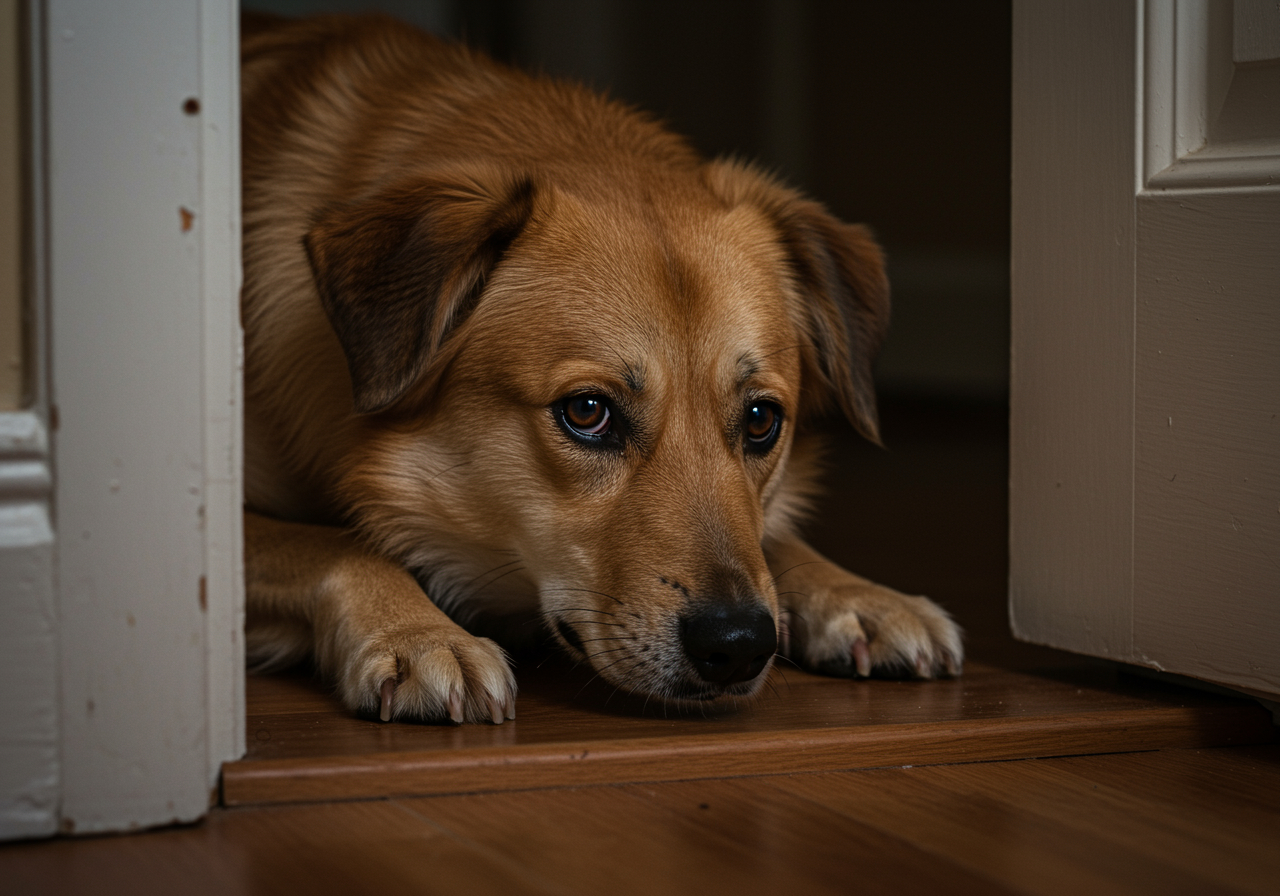
The sound of your dog crying when you leave can be heart-wrenching. Whether it's a puppy crying when left alone or an adult dog showing signs of distress, this behavior signals genuine emotional discomfort that shouldn't be ignored. Separation anxiety affects millions of dogs worldwide, but the good news is that with proper understanding and consistent training, you can help your furry friend feel confident and secure when alone.
This comprehensive guide will explore why dogs cry when their owners leave, how to identify whether it's normal adjustment or true separation anxiety, and most importantly, proven strategies to prevent and manage this challenging behavior. Whether you're dealing with a new puppy or an adult dog who's suddenly started crying, you'll find actionable solutions here.
Understanding Why Your Dog Cries When You Leave
Dogs are social animals with strong pack instincts inherited from their wolf ancestors. In the wild, pack members rarely separate, and being alone could signal danger. When your dog cries upon your departure, they're expressing stress related to this instinctual need for companionship and security.
The Psychology Behind Separation Distress
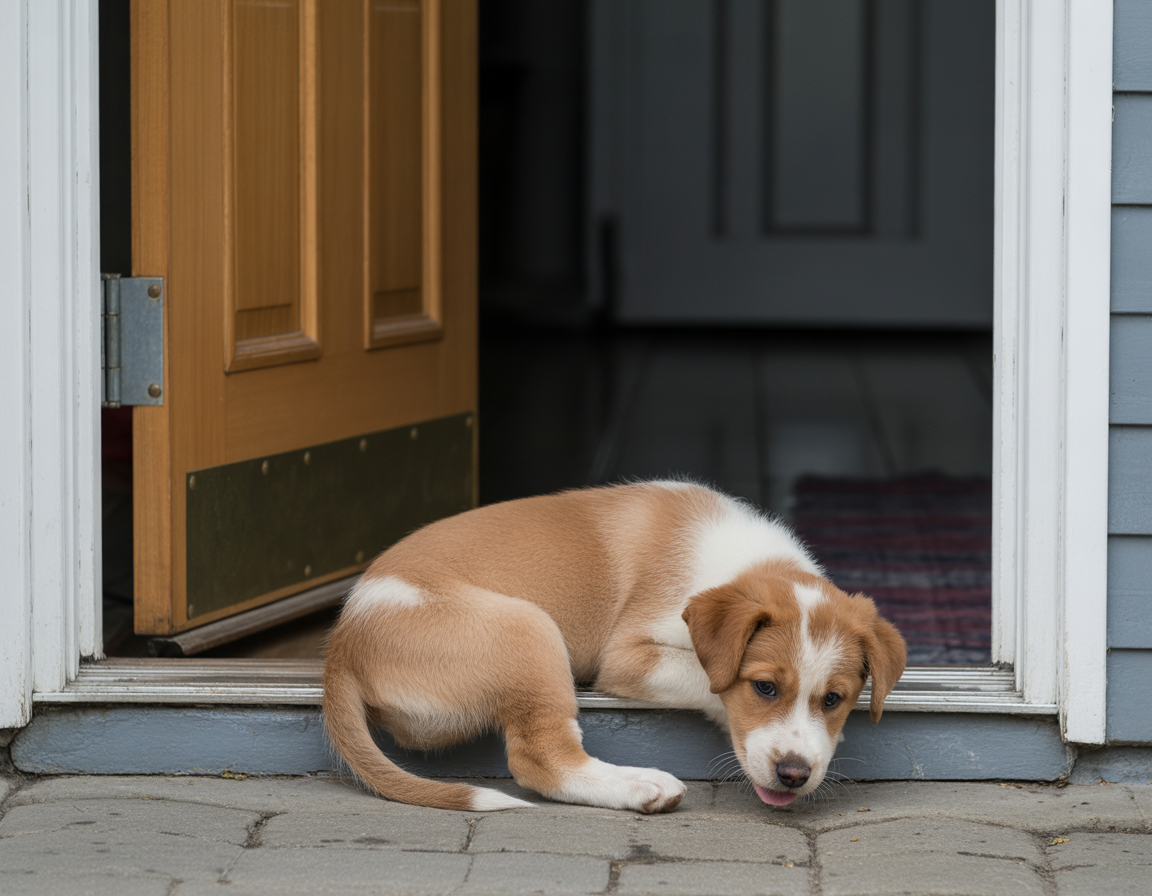
When you leave, your dog experiences a combination of emotions: confusion about where you've gone, anxiety about whether you'll return, fear of being vulnerable alone, and loss of the security your presence provides. For puppies especially, this can be overwhelming since they haven't yet learned that departures are temporary and you always come back.
Normal Adjustment vs. Separation Anxiety
It's important to distinguish between normal adjustment crying and true separation anxiety. Normal adjustment involves brief crying (5-10 minutes) when you first leave, gradual improvement over days or weeks, and the ability to calm down and settle. True separation anxiety includes intense, prolonged distress lasting 30+ minutes, destructive or self-harmful behaviors, and no improvement or worsening over time despite consistent routine.
Common Signs Your Dog Has Separation Anxiety
Recognizing separation anxiety early allows for more effective intervention. Dogs communicate their distress through various behavioral and physical signals.
Vocal Distress Signals
- Excessive whining or crying: Persistent vocalization that continues long after you leave
- Howling: Long, mournful calls attempting to locate you
- Barking: Continuous, frantic barking different from normal alert barking
- Screaming or yelping: Panic-induced high-pitched sounds indicating severe distress
Behavioral Indicators
Beyond vocalizations, anxious dogs display behaviors like destructive chewing focused on exit points (doors, windows), attempting to escape from crates or rooms, pacing repetitively, inappropriate elimination despite being house-trained, excessive drooling or panting, and refusing food or treats when alone. These behaviors specifically occur when you're gone or preparing to leave, not at other times.
How to Stop a Dog from Crying When You Leave
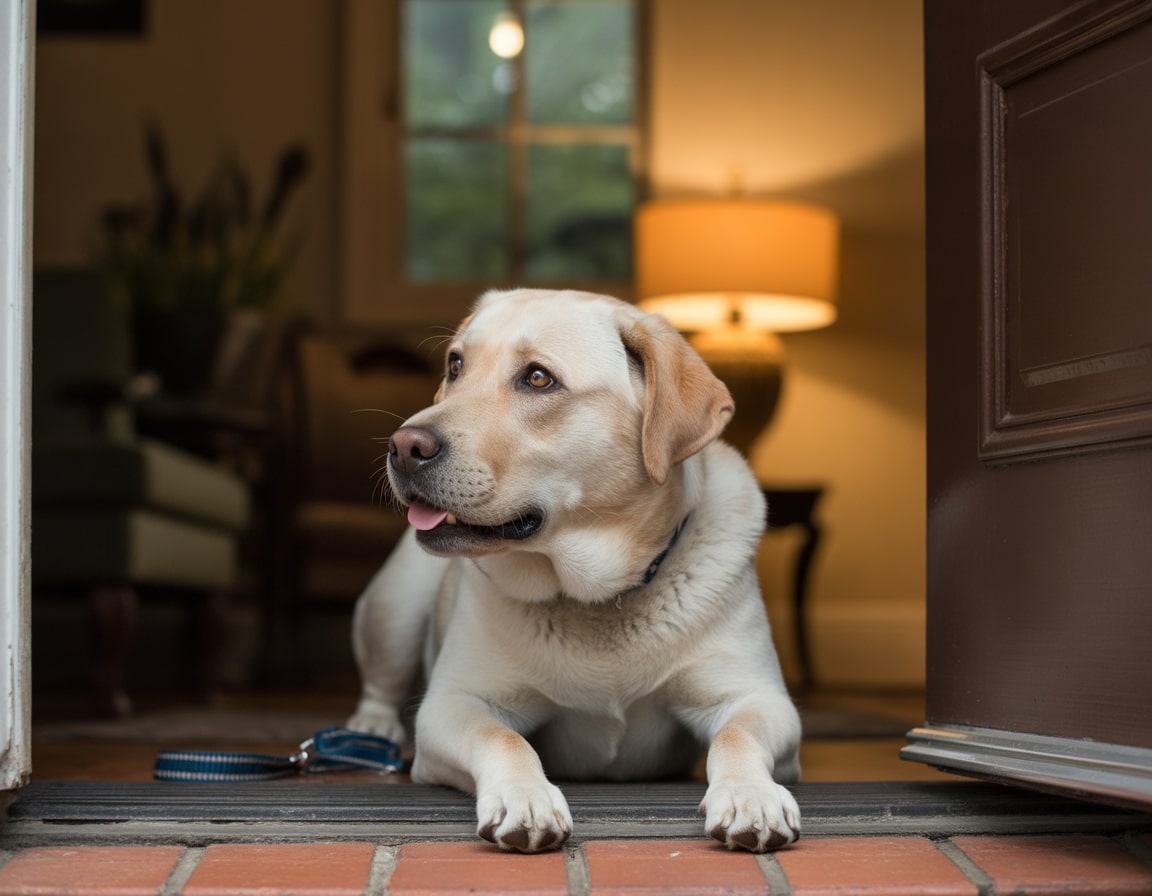
Addressing crying behavior requires a multi-faceted approach combining training, environmental management, and routine development. The key is patience and consistency—there's no overnight fix, but steady progress is achievable.
Gradual Desensitization Training
Desensitization teaches your dog that being alone isn't threatening. Start with very brief separations—literally 10-30 seconds. Leave the room, return immediately before any crying starts, and reward calm behavior. Gradually increase duration: 30 seconds, 1 minute, 2 minutes, 5 minutes, and so on. The critical rule is to return before anxiety begins, not after. This prevents reinforcing anxious behavior and builds positive associations with your absence.
Create Positive Associations with Departure
Transform your departures from stressful events into positive experiences. Give a special treat or toy that appears only when you leave—puzzle toys filled with frozen peanut butter or Kong toys work excellently. Provide these 5-10 minutes before departure so your dog is engaged when you actually leave. Make your departures calm and matter-of-fact—no dramatic goodbyes or emotional farewells which can heighten anxiety.
Establish a Consistent Routine
Dogs thrive on predictability. Establish consistent departure and return times when possible. Create a pre-departure routine that doesn't trigger anxiety—mix up the order of getting ready activities so keys, shoes, or coat don't become anxiety triggers. Exercise your dog 30-60 minutes before departures so they're physically tired. Feed meals at consistent times, with one meal possibly timed before you leave.
Do Puppies Outgrow Separation Anxiety?
Many puppy owners wonder if their crying pup will simply outgrow this phase. The answer depends on several factors and isn't guaranteed without proper intervention.
Age-Related Changes
Puppies under 12 weeks have limited capacity to be alone due to developmental stage. As they mature, their ability to handle solitude naturally increases. Between 3-6 months, puppies develop more independence if properly trained. By 6-12 months, most puppies can handle several hours alone if gradually conditioned. However, without proper training, puppy anxiety often worsens with age rather than improving. Adult dogs who never learned independence as puppies frequently develop severe separation anxiety.
The Importance of Early Training
The critical socialization period (8-16 weeks) is ideal for teaching independence. Start alone-time training from day one of bringing your puppy home. Even at 8 weeks, short solo periods build confidence. Early experiences shape lifelong patterns—puppies who learn that being alone is safe and normal become confident adult dogs. Conversely, puppies kept constantly with their owners during formative months often struggle with separation throughout their lives.
How to Prevent Separation Anxiety in Dogs
Prevention is infinitely easier than treatment. Whether you have a new puppy or are adopting an adult dog, implementing preventive strategies protects against separation anxiety development.
Build Independence from Day One
Even if you're home, practice having your dog in different rooms sometimes. Use baby gates to create separation while still being visible. Gradually increase physical distance and visual barriers. Teach your dog that not every moment requires your attention—independent play is healthy. Avoid following your dog everywhere or vice versa; intermittent attention prevents overdependence.
Crate Training Done Right
When properly introduced, crates provide security, not punishment. Make the crate inviting with comfortable bedding and special toys. Feed meals in the crate initially. Start with door open, progress to door closed while you're present, then brief absences with crated dog, building gradually to longer periods. Never use the crate for punishment or force your dog inside. A properly crate-trained dog views their crate as a safe den, reducing anxiety when alone.
Socialization and Confidence Building
Well-socialized, confident dogs generally handle separation better. Expose your dog to various environments, people, and situations (following safe socialization protocols). Build problem-solving skills through puzzle toys and training. Teach independence through activities like scent work or independent chewing time. Confident dogs trust their ability to cope with challenges, including temporary solitude.
Specific Solutions for Common Crying Scenarios
Different situations require tailored approaches. Here are solutions for specific crying scenarios you might encounter.
Puppy Crying When Left Alone
For young puppies, start with extremely short absences—even 30 seconds counts as training. Stay within earshot initially so you can return before distress escalates. Use a puppy-proofed area rather than full house access. Consider a camera to monitor behavior without being present. Tire your puppy with play before practice sessions. Provide safe chew toys to occupy them. Expect gradual progress over weeks, not days. For more detailed guidance, read our article on how to stop your puppy from crying when you leave.
Dog Barking in Crate When You Leave
Crate-specific crying requires ensuring the crate is properly sized and comfortable, revisiting crate training basics if your dog shows distress, practicing crate time while you're home first, and never letting your dog out while barking—wait for quiet moments. Make the crate location appropriate (not isolated, but not high-traffic either). For comprehensive strategies, see our guide on stopping dogs from barking in crates.
Can You Leave a Puppy Home Alone?
The question of leaving puppies alone depends on age and training. Puppies under 12 weeks should rarely be alone for more than 1-2 hours. At 3-6 months, gradually work up to 3-4 hours maximum. By 6 months and older, most puppies can handle 4-6 hours with proper training. Always ensure potty needs are met and safety is maintained. Learn more in our detailed article about leaving puppies home alone safely.
Breed-Specific Considerations
Some breeds are more prone to separation anxiety. Companion breeds (Cavalier King Charles Spaniels, Bichons) were bred for constant human companionship. Herding breeds (Border Collies, Australian Shepherds) need intense mental stimulation to prevent anxiety. Retrievers, particularly Golden Retrievers, form very strong bonds and may struggle with separation. Understanding your breed's predispositions helps tailor your approach.
Environmental Solutions and Tools
Alongside training, environmental modifications can significantly reduce anxiety and crying behavior.
Creating a Calm Environment
Set up your dog's alone space thoughtfully. Use white noise machines or calming music to mask outside sounds. Leave an item of your clothing with your scent for comfort. Ensure comfortable temperature and adequate ventilation. Provide multiple safe chew toys rotated regularly. Consider puzzle feeders that dispense treats slowly. Use blackout curtains if visual stimuli trigger barking. Some dogs benefit from leaving a TV or radio on for company.
Anxiety-Reducing Products
Several products can support your training efforts. Adaptil diffusers release calming dog pheromones. Thunder shirts provide gentle pressure that soothes some dogs. Calming supplements with L-theanine, chamomile, or melatonin may help (consult your vet first). Lick mats with frozen treats provide extended engagement. Snuffle mats encourage natural foraging behaviors. Interactive cameras let you monitor and even dispense treats remotely. Remember these are aids, not replacements for proper training.
How Long Can a Dog Be Left Alone?
Understanding appropriate alone time prevents pushing your dog beyond their limits, which can worsen anxiety and crying.
Age-Based Guidelines
Puppies 8-10 weeks should not be alone more than 30-60 minutes. At 11-14 weeks, extend to 1-3 hours maximum. By 15-18 weeks, work toward 3-4 hours. At 6 months and older, most dogs can handle 4-6 hours. Adult dogs (1+ years) can typically manage 6-8 hours, though this is not ideal. Senior dogs may need more frequent breaks for bathroom and comfort needs. For complete guidance, read our article on how long dogs can be left alone at different ages.
Individual Variations
These are guidelines—individual dogs vary significantly. Consider your dog's temperament, energy level, training level, health status, and breed characteristics. High-energy breeds may need midday exercise breaks. Dogs with medical conditions may require more frequent attention. Always build up to longer absences gradually rather than suddenly changing routine.
When Crying Indicates a Medical Problem
Sometimes what appears to be separation anxiety actually stems from medical issues requiring veterinary attention.
Medical Causes to Rule Out
Urinary tract infections can cause urgent bathroom needs, leading to distress when confined. Gastrointestinal issues may cause discomfort and need to eliminate. Cognitive dysfunction in senior dogs causes confusion and anxiety. Pain from arthritis or injuries worsens when settling down. Hearing or vision loss in older dogs makes being alone more frightening. If your house-trained dog suddenly starts having accidents when alone, this could indicate a medical issue—learn more about why dogs poop in the house.
When to Consult Your Veterinarian
Seek veterinary advice if crying behavior appears suddenly in a previously calm dog, is accompanied by changes in appetite, elimination, or energy level, involves excessive panting or physical symptoms, occurs in senior dogs with other cognitive changes, or doesn't improve despite consistent training efforts. Your vet can rule out medical causes and potentially prescribe anti-anxiety medication if appropriate.
Professional Help for Severe Cases
Some separation anxiety cases require professional intervention. There's no shame in seeking expert help—it's the responsible choice when your dog's welfare is at stake.
Types of Professional Help
Certified veterinary behaviorists are veterinarians with specialized behavioral training who can prescribe medication if needed. Certified professional dog trainers (CPDT) with anxiety specialization offer structured training programs. Certified applied animal behaviorists hold advanced degrees in animal behavior. Look for credentials like DACVB, CPDT-KA, CAAB, or ACAAB. Avoid trainers using punishment-based methods, which can worsen anxiety.
Medication as a Tool
For severe cases, medication can be an important component of treatment. Anti-anxiety medications don't cure separation anxiety but can reduce distress enough that behavior modification becomes possible. Common options include SSRIs like fluoxetine for long-term management, situational medications like trazodone for specific events, and natural supplements like L-theanine or CBD (where legal). Medication works best when combined with training, not as a standalone solution. Always work with a veterinarian for prescription medications.
Long-Term Management and Expectations
Managing a dog who cries when you leave is often a long-term commitment requiring ongoing attention and occasional adjustment.
Setting Realistic Expectations
Understand that progress isn't linear—expect some setbacks during the training process. Mild cases might resolve in 4-8 weeks with consistent effort. Moderate cases typically require 2-4 months of dedicated training. Severe cases may need 6+ months and ongoing management. Life changes (moving, schedule changes, new family members) may trigger regression requiring renewed training. This is normal and doesn't mean you've failed.
Maintaining Progress
Once you've made improvements, maintain them by continuing to practice separation even when not necessary, keeping routines as consistent as possible, monitoring for early signs of regression, and adjusting strategies as your dog ages or circumstances change. Never become complacent—occasional refresher training prevents backsliding.
Conclusion: Building Your Dog's Confidence
A dog who cries when you leave is communicating genuine distress that deserves your compassionate attention. Whether you're dealing with puppy crying when left alone or an adult dog's separation anxiety, the solution lies in patient, consistent training that builds confidence and security.
Remember the key principles: start with very short separations and build gradually, make your departures calm and departures positive, address your own anxiety about leaving your dog, rule out medical causes if crying appears suddenly, and don't hesitate to seek professional help for severe cases. With time and consistent effort, most dogs can learn to feel safe and comfortable alone.
Understanding how to stop a dog from crying when you leave and whether puppies outgrow separation anxiety naturally equips you to address this challenge effectively. The strategies in this guide, when applied consistently, can transform a stressed, crying dog into a calm, confident companion who handles your absences with ease.
Ready to help your dog feel secure when alone? Start today with just five minutes of practice. Remember, every journey toward better behavior begins with a single small step. Your patience, consistency, and love will guide your dog toward the independence and confidence they need for a happy, well-adjusted life.
Key Takeaways
- Dogs cry when left alone due to natural pack instincts and attachment to their owners
- Distinguish between normal adjustment crying and true separation anxiety for appropriate response
- Gradual desensitization training is the foundation of successful treatment
- Puppies don't automatically outgrow anxiety—early independence training is crucial
- Prevention through proper training is easier than treating established separation anxiety
- Appropriate alone time varies by age: puppies need frequent company, adults can handle 6-8 hours
- Always rule out medical causes, especially for sudden behavior changes
Related Articles
- Dog Barks in Crate When I Leave: Complete Training Guide
- Can You Leave a Puppy Home Alone? Age-Based Guidelines
- How to Stop My Puppy from Crying When I Leave
- Golden Retriever Separation Anxiety: Breed-Specific Solutions
- How Long Can a Dog Be Left Alone? Expert Guidelines
- Why Is My Dog Pooping in the House? Causes and Solutions