
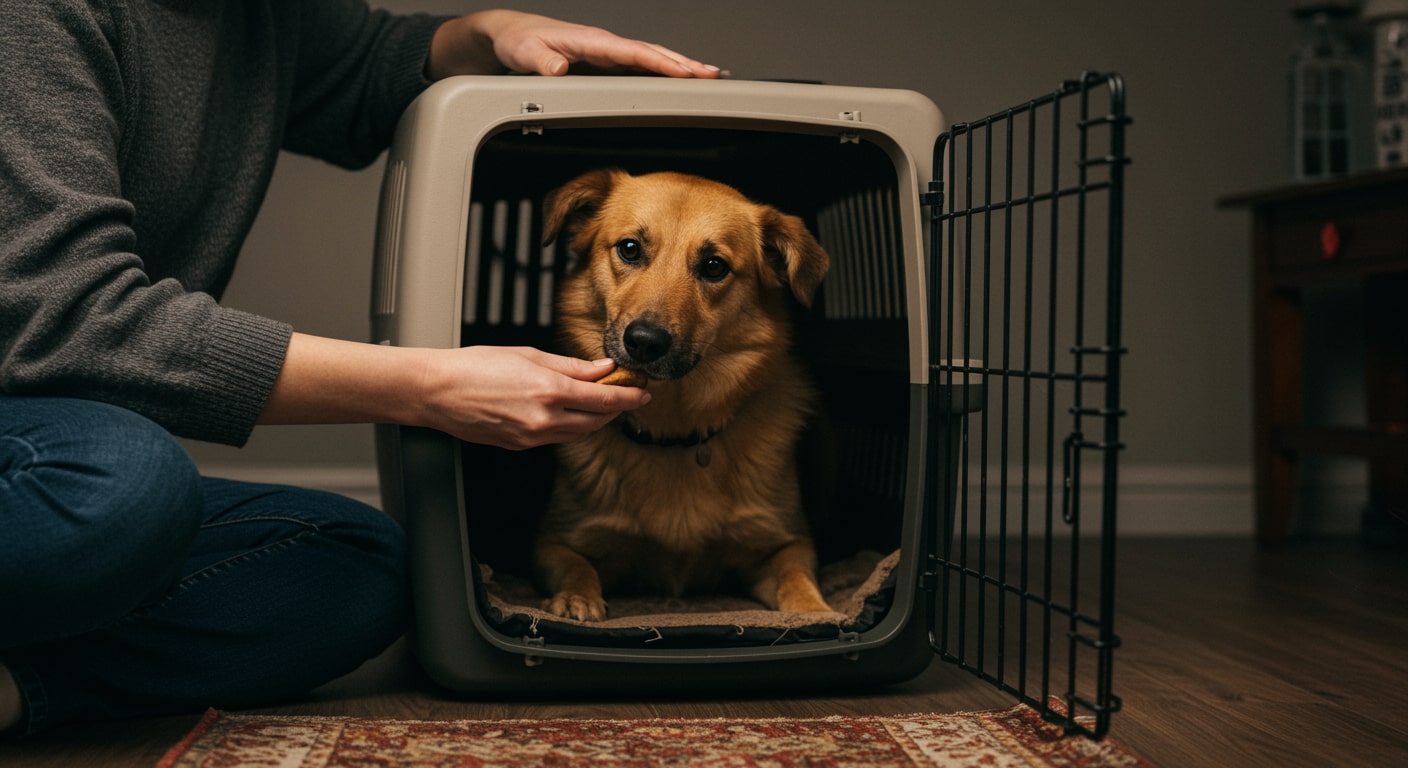
When your dog freaks out in their crate when you leave, the distress is heartbreaking for both of you. Dog kennel anxiety affects countless dogs, transforming what should be a safe haven into a source of panic and fear. Whether you're dealing with puppy crate separation anxiety, a dog traumatized by crate experiences, or trying to determine if crate training will help separation anxiety, understanding the complexities of anxiety crates and kenneling dogs with separation anxiety is essential for finding effective solutions.
This comprehensive guide addresses everything you need to know about dog crate anxiety solutions, from understanding whether crates help dogs with anxiety to learning how to crate train a puppy with separation anxiety, how to crate train a rescue dog with separation anxiety, and how to create a truly calming dog crate environment. You'll discover practical strategies for keeping a dog calm in a crate and identify the best crates for dogs with separation anxiety. This article is part of our comprehensive guide on working with a dog behaviorist for separation anxiety.
Understanding Dog Kennel Anxiety vs Separation Anxiety
Before implementing solutions, it's crucial to understand what you're actually dealing with. Dog kennel anxiety and separation anxiety often overlap but aren't identical conditions.
What Is Dog Kennel Anxiety?
Dog kennel anxiety specifically refers to distress associated with crate confinement. Dogs with kennel anxiety may be perfectly calm when left alone in a room or house but panic when confined to a crate or anxiety kennel. The distress stems from the physical restriction of movement, the enclosed space, or negative associations with the crate itself. Signs include frantic barking or whining, destructive attempts to escape including chewing bars or scratching doors, excessive drooling or panting, refusal to enter the crate voluntarily, and trembling or cowering when the crate is visible.
How Crate Anxiety Differs from Separation Anxiety
True separation anxiety involves panic specifically triggered by separation from attachment figures, regardless of confinement. A dog with pure separation anxiety might panic when left alone in any setting—crated, in a room, or loose in the house. A dog with kennel anxiety specifically reacts to crate confinement but may be calm when left alone without physical restriction. Many dogs experience both conditions simultaneously, making treatment more complex.
Cage Training Dogs Separation Anxiety: The Connection
When cage training dogs with separation anxiety, the crate can either help or harm depending on how it's introduced and used. For some dogs, a properly introduced crate becomes a comforting den where they feel safe during owner absences. For others, especially those with existing anxiety or traumatic crate experiences, confinement amplifies panic. Understanding your specific dog's response is essential before proceeding with crate-based management.
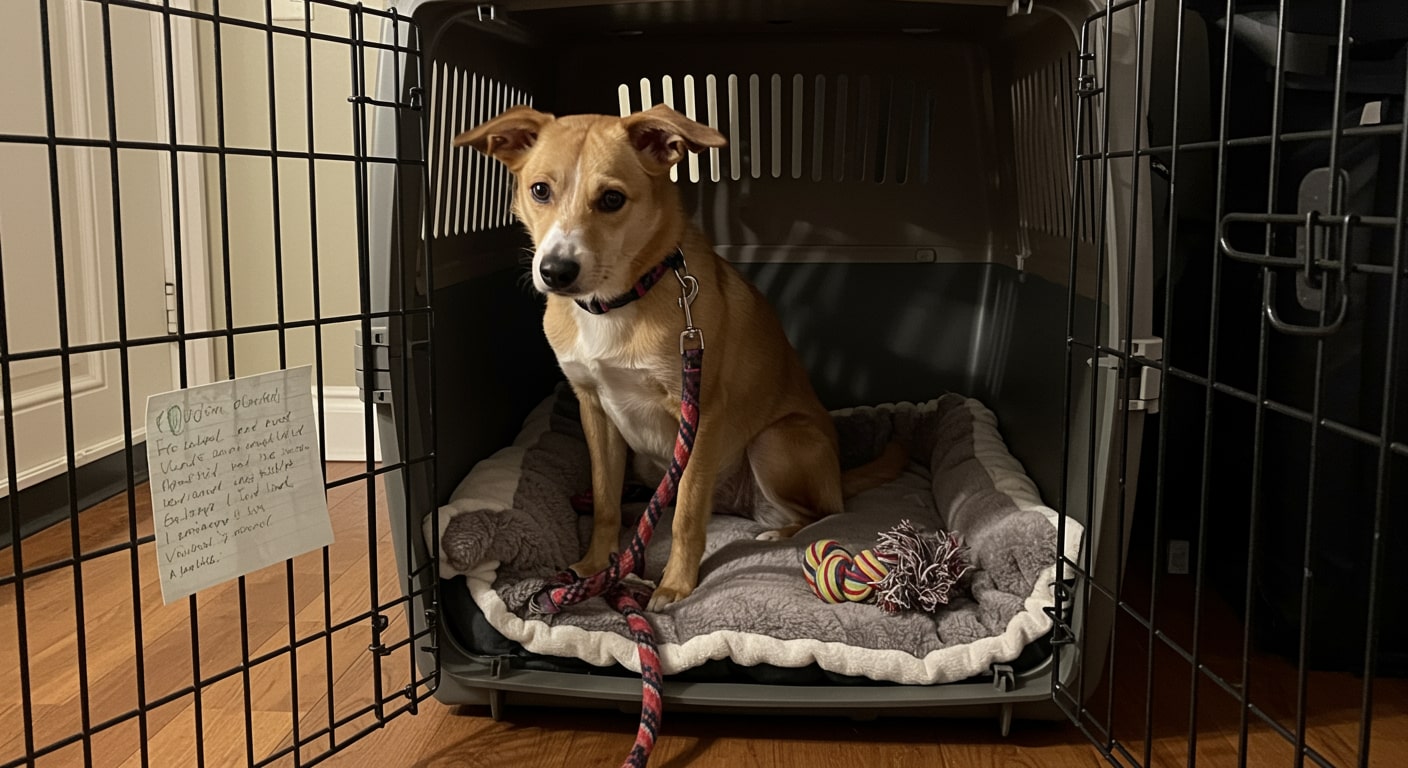
Why Does My Dog Freak Out in Crate When I Leave?
Understanding the underlying causes of crate panic helps you address the root issue rather than just symptoms.
Improper Crate Introduction
The most common cause of puppy anxiety in crate and adult dog crate distress is rushed or negative introduction. If your dog's first crate experiences involved being forced in, left for too long immediately, or associated with punishment, they learned that crates predict bad things. Dogs need gradual, positive associations built over days or weeks, not immediate confinement.
Previous Traumatic Experiences
A dog traumatized by crate may have experienced abandonment while crated, been trapped during a frightening event like a fire alarm or thunderstorm, injured themselves attempting escape, or spent excessive time confined in shelters or previous homes. These experiences create deep-seated fear that requires patient reconditioning.
Confinement Panic
Some dogs have an innate aversion to spatial restriction regardless of past experiences. This claustrophobia-like response causes panic when movement is limited. These dogs may do better with exercise pens or puppy-proofed rooms offering more space while maintaining boundaries.
Inadequate Physical and Mental Exercise
An under-exercised, mentally under-stimulated dog forced into a crate becomes frustrated and anxious. Pent-up energy with nowhere to go manifests as anxiety behaviors. Ensuring adequate exercise before crating is essential but often overlooked.
Medical Issues
Always rule out medical causes when a dog freaks out in crate. Urinary tract infections create urgent bathroom needs making confinement unbearable. Arthritis or joint pain makes certain positions painful. Gastrointestinal issues cause discomfort when lying down. Cognitive dysfunction in senior dogs creates confusion and distress. If crate anxiety appears suddenly in a previously calm dog, veterinary examination is essential.
Will Crate Training Help Separation Anxiety?
This is one of the most common questions from anxious dog owners, and the answer is nuanced: it depends entirely on your dog and how crate training is implemented.
When Crates Can Help
For some dogs, does crate training help with separation anxiety? Yes, when the crate is properly introduced and becomes a genuine safe space. Dogs with mild anxiety who view their crate as a comfortable den often settle better when confined during absences. The crate provides security, predictability, and boundaries that reduce anxiety. Additionally, crates prevent destructive behaviors, keeping dogs safe from ingesting dangerous items or injuring themselves on household objects. Some dogs genuinely prefer enclosed, den-like spaces when anxious.
When Crates Can Harm
Conversely, for dogs with severe separation anxiety or existing crate trauma, forcing crate confinement can dramatically worsen anxiety. Signs that crating is harmful include injury from escape attempts, continuous panic-level distress lasting 30+ minutes, refusal to eat or drink for extended periods after crating, and regression in houstraining due to stress-induced elimination. In these cases, crate training doesn't help separation anxiety—it exacerbates it.
The Verdict: Individual Assessment Required
There's no universal answer to whether crates help dogs with anxiety. Assessment should include your dog's baseline stress level, past crate experiences, severity of separation anxiety, and response to gradual crate introduction. If your dog shows severe distress despite proper, gradual training, alternative confinement may be more humane.
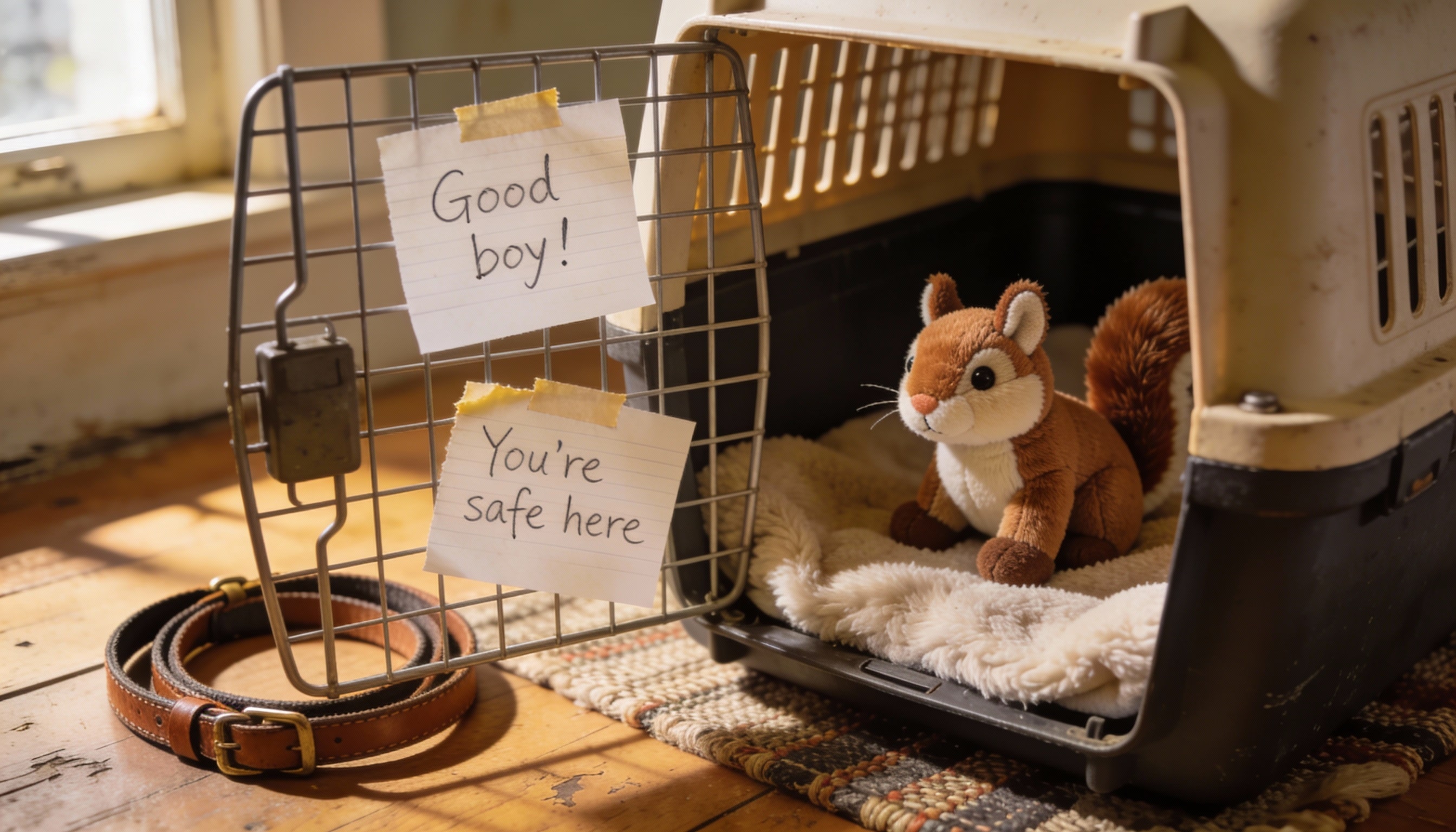
Do Crates Help Dogs with Anxiety? The Pros and Cons
Understanding both benefits and risks helps you make informed decisions about using a separation anxiety crate or anxiety crate for your dog.
Benefits of Crates for Anxious Dogs
When properly introduced, crates offer several advantages. They provide a den-like environment that many dogs find naturally comforting and secure. Crates prevent destructive behaviors protecting both your belongings and your dog from injury. They facilitate faster housetraining by utilizing dogs' natural reluctance to soil their sleeping area. Crates offer safe confinement during travel or vet visits. For dogs who genuinely love their crate, it becomes their chosen retreat even when not required.
Risks and Drawbacks
However, crates also carry potential risks. Forced confinement can escalate anxiety in already-anxious dogs. Risk of injury from frantic escape attempts including broken teeth, torn nails, or lacerations exists. Extended crating can lead to physical deconditioning and muscle atrophy. Some dogs develop elimination problems from being crated beyond their bladder control capacity. Negative crate associations can form quickly but take weeks or months to reverse.
Alternative Confinement Options
Not every dog needs crating. Alternatives include puppy-proofed rooms or areas secured with baby gates, exercise pens providing more space while maintaining boundaries, tethering to stable furniture in supervised situations, and gradually building to full house freedom for trustworthy dogs. The goal is your dog's safety and comfort—crates are a tool, not a requirement.
Dog Crate Anxiety Solutions: Comprehensive List
Whether you're dealing with puppy crate separation anxiety or adult dog kennel anxiety, these solutions address various aspects of the problem.
Behavioral Solutions
Start with systematic desensitization involving gradual, positive crate introduction starting with door open and building to brief closures. Practice counterconditioning by pairing crate time with high-value rewards creating positive associations. Feed all meals in the crate building natural positive connections. Use relaxation protocols teaching your dog to settle calmly in the crate. Desensitize departure cues so pre-leaving routines don't trigger anticipatory anxiety. Never use the crate as punishment maintaining exclusively positive associations.
Environmental Solutions
Optimize crate placement in quiet areas away from high-traffic zones but not completely isolated. Ensure appropriate crate size—large enough to stand, turn, and lie comfortably but not so large that it doesn't feel secure. Add comfortable bedding with your scent. Provide crate-specific toys that only appear during crate time. Use white noise machines or calming music masking triggering external sounds. Consider partial crate covers creating den-like atmosphere without complete darkness. Maintain comfortable temperature and adequate ventilation.
Exercise and Enrichment Solutions
Ensure adequate physical exercise 30-60 minutes before crating, tiring your dog appropriately for age and health status. Provide mental stimulation through training sessions, puzzle toys, or scent work exhausting mental energy. Offer long-lasting chews like frozen Kongs, bully sticks, or puzzle feeders if safe unsupervised. Rotate toys maintaining novelty and interest. Schedule crating after meals and bathroom breaks reducing physical discomfort.
Calming Aids and Products
Consider pheromone diffusers or sprays like Adaptil releasing calming dog pheromones. Try anxiety wraps or Thunder shirts providing gentle pressure that soothes some dogs. Explore calming supplements containing L-theanine, chamomile, valerian root, or CBD after veterinary consultation. Use lick mats with frozen spreadable treats providing extended engagement. Play dog-specific calming music or audiobooks with human voices. For severe cases, consult your veterinarian about anti-anxiety medication.
How to Keep a Dog Calm in a Crate
Once your dog accepts the crate, maintaining calmness requires ongoing management and proper protocols.
Pre-Crating Routine
Establish a consistent routine signaling crate time. Provide vigorous exercise followed by calm-down time—avoid crating immediately after exciting play. Offer a bathroom break immediately before crating preventing discomfort. Give a special treat or stuffed Kong only available during crate time. Use the same cue word like "kennel" or "bed" creating predictability. Keep energy levels low during the actual crating process avoiding excited farewells.
During Crating
Never let your dog out while displaying anxiety—this reinforces that panic works. Wait for even brief calm moments before opening the crate. Start with very short durations building gradually over weeks. Monitor with a pet camera initially to understand your dog's actual behavior versus your assumptions. Adjust duration based on your dog's genuine capacity, not your schedule needs.
Post-Crating Protocol
When releasing your dog, wait for calm behavior before opening the door. Keep greetings low-key and unemotional preventing excitement about release. Offer immediate bathroom breaks. Provide physical and mental enrichment after extended crating. Don't only crate immediately before leaving—practice random crating when you're home maintaining positive associations.
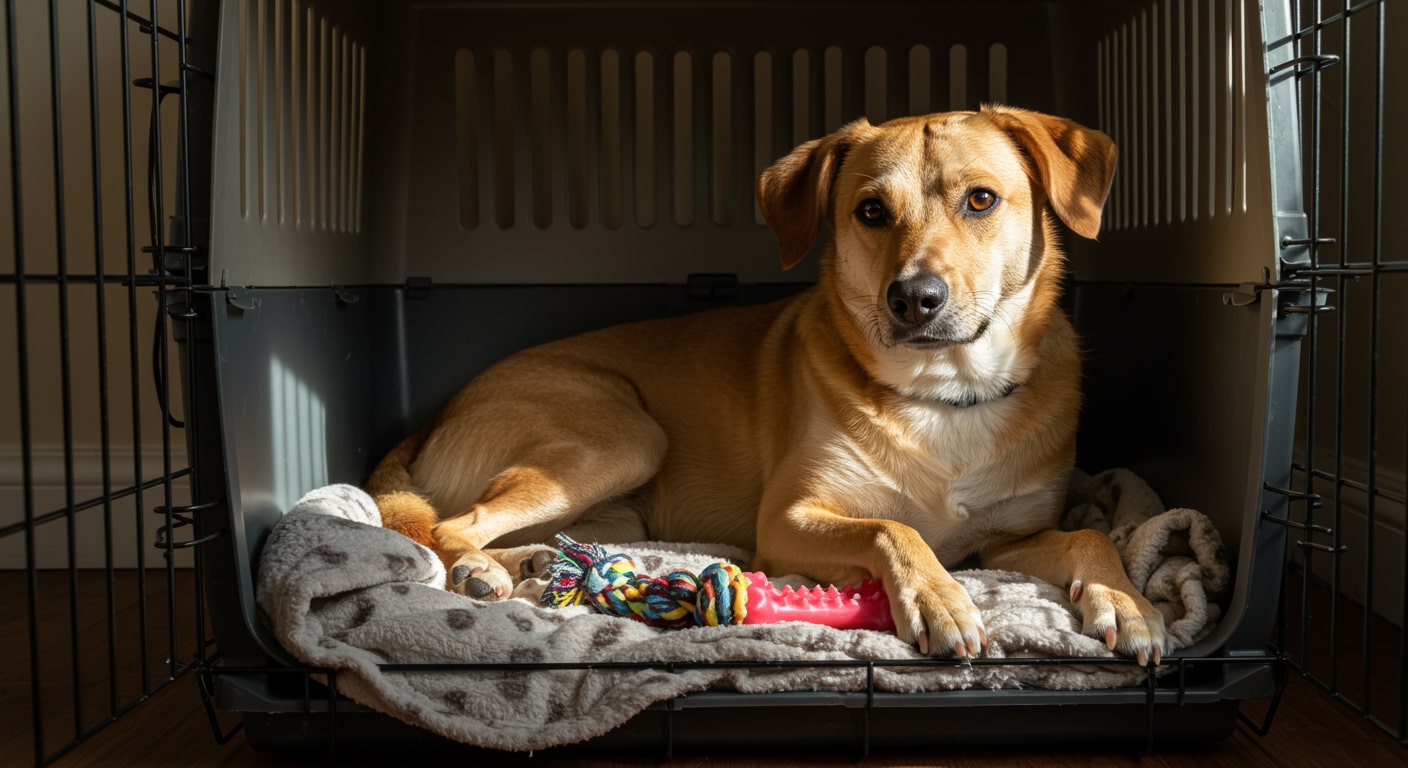
Calming Dog Crate Setup and Environment
Creating a calming dog crate environment involves more than just placing a crate and adding bedding.
Crate Selection
Choose the right type for your dog's needs. Wire crates offer maximum visibility and airflow but may be less den-like for anxious dogs. Plastic airline-style crates provide more enclosure and security but less ventilation. Soft-sided crates work for calm dogs but not those who might chew or escape. Heavy-duty crates are necessary for dogs with serious escape attempts. Size matters—measure your dog and select a crate 4-6 inches longer than nose to tail base and 2-3 inches taller than shoulder height when standing.
Interior Setup
Add comfortable, washable bedding that's appropriate for your dog's chewing tendencies. Place an item with your scent like a worn t-shirt. Include safe, durable toys that won't pose choking hazards. For dogs who eliminate in crates, use minimal bedding initially. Ensure water access for extended crating through clip-on bowls. Avoid hanging tags or collars that could catch on crate parts.
Location Optimization
Place crates in quiet areas with moderate traffic during the day, away from direct sunlight or heating vents. Position away from windows if outside activity triggers barking. Ensure good air circulation without drafts. Consider nighttime placement in your bedroom for dogs with nighttime anxiety. Keep the location consistent—moving crates frequently can increase uncertainty.
Sensory Environment
Use partial covers creating den-like atmosphere without complete darkness that might increase fear. Add white noise machines or calming music masking unpredictable environmental sounds. Maintain comfortable ambient temperature between 68-78°F. Use pheromone diffusers near but not directly in the crate. Ensure adequate but not bright lighting—some anxious dogs do better with soft light sources.
Crating Dogs with Separation Anxiety: Step-by-Step
Kenneling a dog with separation anxiety requires methodical, patient protocols. Rushing virtually guarantees failure and worsening anxiety.
Phase 1: Building Positive Associations (Week 1-2)
Start with the crate door permanently open, making it just another piece of furniture. Toss high-value treats randomly into the crate throughout the day without closing the door. Feed all meals inside the crate with the door open. Play games where your dog voluntarily enters to retrieve toys then exits freely. Place favorite bedding or toys inside. Never force entry—wait for voluntary exploration. Goal: Your dog willingly enters and exits multiple times daily.
Phase 2: Door Closure Introduction (Week 2-4)
Once your dog regularly enters voluntarily, begin brief door closures while you remain immediately present. Close the door for one second, immediately open, and reward. Gradually increase: 2 seconds, 5 seconds, 10 seconds, 30 seconds. Only proceed to longer durations when your dog shows zero anxiety at current duration. If anxiety appears, you've progressed too quickly—return to previous successful duration. Practice 5-10 repetitions per session, 3-4 sessions daily. Goal: Your dog can remain calm with closed door for 5-10 minutes while you're present.
Phase 3: Adding Distance (Week 4-6)
With door closed and your dog calm, step back one foot. Return immediately, reward calm behavior, repeat. Gradually increase distance until you can move around the room. Next, step just outside the door frame while remaining visible. Build to leaving sight for 5 seconds, then 10, then 30. Always return before anxiety builds. Practice at various times throughout the day. Goal: Your dog remains calm with you out of sight for 2-3 minutes.
Phase 4: Building Duration (Week 6-12+)
Gradually extend out-of-sight time: 5 minutes, 10 minutes, 15 minutes. Vary durations so your dog doesn't predict exact lengths. Practice mock departures—go through your leaving routine but return quickly. Eventually, practice actual brief departures—step outside for 30 seconds, return, reward calm behavior. Very gradually build to longer absences over weeks. If regression occurs at any point, return to previous successful duration. Goal: Your dog calmly handles absences up to your typical leaving duration.
Throughout All Phases
Never let your dog out while showing anxiety behaviors. Always return before panic sets in—success comes from hundreds of sub-threshold repetitions. Ensure adequate exercise before each session. Maintain consistency across all family members. Document progress tracking successful durations. Be patient—this process takes months, not days.
How to Kennel Train a Dog with Separation Anxiety
When how to kennel train a dog with separation anxiety, the standard crate training protocols must be modified to accommodate your dog's anxiety triggers.
Modified Introduction Protocol
For anxious dogs, slow the introduction even more than standard protocols recommend. Spend 2-3 weeks on purely positive associations before any door closure. Use extremely high-value rewards—fresh chicken, cheese, or whatever your dog finds most exciting. Keep sessions very short preventing frustration or stress accumulation. Practice multiple times daily rather than long single sessions. Never push past your dog's comfort threshold.
Addressing Departure Anxiety
Desensitize departure cues separately from crate training. Perform pre-leaving actions randomly throughout the day without leaving: pick up keys and sit down, put on shoes and watch TV, grab bags and make lunch. Practice crating when you're not leaving—randomly throughout the day for various durations while you're home. This prevents the crate from always predicting your departure.
Managing Setbacks
Expect and plan for setbacks—they're normal, not failure. If regression occurs, return to earlier successful steps without frustration. Identify triggers for setbacks: schedule changes, visitors, new sounds, seasonal factors. Maintain extra patience during stressful household periods: holidays, moves, new family members. Never punish anxiety behaviors—this worsens underlying anxiety. Celebrate small wins rather than focusing on setbacks.
How to Crate Train a Puppy with Separation Anxiety
Puppy anxiety in crate presents unique challenges due to developmental factors and limited bladder control.
Age-Appropriate Expectations
Puppies have limited bladder control using the general formula: months of age plus one equals hours they can hold it. A 3-month-old puppy can hold it approximately 4 hours maximum. Expecting longer confinement guarantees accidents creating negative crate associations. Puppies also have shorter attention spans requiring briefer training sessions. Their developing brains are highly impressionable—negative experiences have lasting impact.
Preventing Puppy Crate Separation Anxiety
Start crate introduction the first day home making it part of normal routine. Never use the crate for punishment or timeout. Ensure every crate experience is positive involving treats, meals, or special toys. Practice independence training from the beginning—don't allow constant contact creating unrealistic expectations. Crate puppies even when you're home preventing association of crate with abandonment. Vary crating durations and times preventing predictability that builds anticipatory anxiety.
Nighttime Crating for Puppies
For young puppies with separation distress, place the crate in your bedroom initially providing proximity comfort. Gradually move it toward its permanent location over weeks. Expect middle-of-night bathroom breaks for very young puppies. Distinguish between genuine bathroom needs and attention-seeking vocalizations. Provide comfort items with your scent. Use white noise masking household sounds that might startle puppies awake.
Socialization and Crate Training Balance
Puppies need extensive socialization during critical periods, but also need crate training. Balance by ensuring adequate outside-crate time for play, training, and socialization. Use crates for enforced naps preventing overtired, cranky puppies. Provide mental stimulation before crating tiring puppies appropriately. Never sacrifice socialization for excessive crating—poorly socialized dogs often develop worse anxiety than those with limited crate training.
How to Crate Train a Rescue Dog with Separation Anxiety
Learning how to crate train a rescue dog with separation anxiety requires extra patience as you're often dealing with unknown trauma histories.
Assessing Past Experiences
Many rescue dogs spent extended time in shelter kennels creating negative confinement associations. Some experienced abandonment while crated. Others may have been crated excessively in previous homes. Unknown trauma histories mean you can't predict triggers or intensity. Start by assessing your dog's baseline crate response—do they avoid it, show fear, or display curiosity? This informs your starting point.
Building Trust First
Before intensive crate training, spend 2-4 weeks building general trust and security in your home. Let your rescue dog decompress from shelter stress. Establish predictable routines providing security. Build positive associations with you through feeding, play, and gentle training. Once your dog shows comfort in your home generally, introduce crate training. Attempting too soon can undermine trust.
Extra Gradual Protocols
For rescue dogs, extend each training phase even longer than standard protocols. Spend a month on positive associations before door closure. Keep initial closed-door durations extremely brief—even 1 second might be too much initially. Watch for subtle stress signals: yawning, lip licking, whale eye, tension. These indicate you're pushing too hard. Never force a traumatized rescue dog into a crate—this can cause regression in overall trust and severely worsen anxiety.
Alternative Confinement Considerations
Some rescue dogs may never be comfortable in crates due to past trauma, and that's okay. Their wellbeing matters more than crate training success. Consider exercise pens providing more space, puppy-proofed rooms with baby gates, or tethering to stable furniture during supervised times. Gradually work toward house freedom for trustworthy dogs. Not every dog needs crating—evaluate based on your dog's individual needs and stress levels.
How to Crate Train an Anxious Dog
When learning how to crate train an anxious dog beyond separation anxiety specifically, anxiety can stem from various sources requiring adapted approaches.
Identifying Anxiety Triggers
Is your dog anxious about confinement specifically, or do they have generalized anxiety affecting all aspects of life? Sound-sensitive dogs may panic in crates due to noise amplification. Dogs with fear of small spaces need different approaches than those with separation-specific anxiety. Medical issues causing pain might make lying down uncomfortable. Understanding the specific anxiety type guides your training approach.
Anxiety Management Before Crate Training
Consider addressing general anxiety before intensive crate training. Work with a veterinary behaviorist to evaluate whether anti-anxiety medication might help reduce baseline anxiety levels enough to enable training. Implement general anxiety reduction strategies: adequate exercise, predictable routines, confidence-building training, and stress reduction. Once overall anxiety is better managed, crate training becomes more feasible.
Adapting Training for Anxious Temperaments
Anxious dogs need even more patience and slower progression. Keep all training sessions very short—5 minutes maximum—preventing stress accumulation. End sessions on success notes maintaining positive associations. Use extremely high-value rewards recognizing that anxious dogs need stronger motivation. Avoid any pressure or force which exponentially increases anxiety. Celebrate tiny progressions that might seem insignificant with confident dogs.
Dog Traumatized by Crate: Recovery Strategies
A dog traumatized by crate presents one of the most challenging scenarios requiring specialized approaches.
Recognizing Severe Trauma
Signs of crate trauma include panic reactions at mere sight of crate, attempts to flee when crate appears, freezing or shutting down when near crate, aggressive reactions if forced toward crate, and persistent fear despite months of gradual positive exposure. These dogs experienced something so frightening in association with crates that normal desensitization may be insufficient.
Complete Reset Protocol
For severely traumatized dogs, remove the crate from sight entirely for 1-2 months. Use alternative confinement during this period. Work with a certified veterinary behaviorist developing a comprehensive behavior modification plan. Consider medication to reduce anxiety enough that learning can occur. When reintroducing, use a completely different crate type—if trauma involved wire crates, try plastic. Change location, bedding, and all associations. Proceed at an extraordinarily slow pace measuring progress in weeks per step, not days.
Alternative Management
Honestly assess whether crate training is truly necessary for your traumatized dog. Many dogs live happy, well-adjusted lives never using crates. If confinement is essential for safety, explore other options: exercise pens, puppy-proofed rooms, or graduated house freedom. Your dog's mental health and trust in you matters more than achieving crate comfort. Don't sacrifice the relationship for a training goal.
Best Crates for Dogs with Separation Anxiety
Selecting appropriate dog crates for anxious dogs involves considering specific features beyond standard crate selection.
Heavy-Duty Crates for Anxious Dogs
For dogs with serious escape attempts, high anxiety dog kennel options include Impact Dog Crates—virtually indestructible aluminum construction, escape-proof latches, and excellent ventilation. ProSelect Empire cages offer heavy-gauge steel, reinforced corners, and secure locks. Ruff Land Performance Kennels provide rotomolded construction, integrated handles, and superior safety for anxious dogs. These crates prevent injury from escape attempts while providing security.
Calming Design Features
Look for crates with smooth interior surfaces preventing injury during panic, adequate ventilation without excessive openness that might increase anxiety, secure but not overly complex latches, appropriate sizing—not too large but not cramped, and neutral colors avoiding bright, stimulating colors. Some anxious dogs benefit from covered crates creating den-like environments, while others do better with visibility. Experiment to determine your dog's preference.
Crate Alternatives for Severely Anxious Dogs
Consider Richell convertible pens offering more space than crates while maintaining boundaries. Carlson extra-tall gates create larger confined areas. Midwest exercise pens provide adjustable space. Zen Crates offer furniture-style options blending into home decor while functioning as safe spaces. These alternatives work well for dogs who cannot tolerate traditional crate confinement.
High Anxiety Dog Kennel Solutions
Managing high anxiety dog kennel situations requires comprehensive approaches beyond just crate selection.
Professional Assessment
For severe anxiety, work with a certified veterinary behaviorist who can accurately diagnose anxiety severity, rule out medical contributions, prescribe appropriate anti-anxiety medication if needed, develop customized behavior modification protocols, and provide ongoing support and plan adjustments. Don't attempt to manage severe anxiety alone—professional guidance prevents worsening and reduces suffering.
Medication Options
For high anxiety cases, medication can be an essential component allowing your dog to learn new behaviors. Options include SSRIs like fluoxetine or sertraline for long-term anxiety management, situational medications like trazodone or gabapentin for specific events, natural supplements including L-theanine, CBD, or adaptogenic herbs, and pheromone products like Adaptil diffusers or sprays. Medication should always accompany behavior modification, not replace it. Work with your veterinarian to find appropriate options.
Environmental Modifications
Create an entire calm space, not just a calming crate. Use pheromone diffusers in the room containing the crate. Maintain white noise or calming music consistently. Ensure comfortable ambient temperature. Use blackout curtains if outside activity triggers anxiety. Minimize household activity near the crate during training. These environmental factors significantly impact anxiety levels.
When Crate Training Isn't Working
Despite best efforts, crate training doesn't work for every dog. Recognizing when to try alternatives prevents prolonged suffering.
Signs to Stop Crate Training
Discontinue crate training if your dog injures themselves attempting escape despite proper training, shows severe panic responses lasting 30+ minutes or longer, develops aggressive behaviors related to crating, experiences significant regression in houstraining due to stress, refuses to eat or drink for extended periods after crating, or shows no improvement after 3-4 months of consistent, proper protocols. These signs indicate crating may not be appropriate for your individual dog.
Successful Alternatives
Many dogs thrive with alternative management. Puppy-proofed rooms remove dangerous items allowing safe freedom. Exercise pens provide more space than crates while maintaining boundaries. Tethering to stable furniture works during supervised times. Gradual house freedom for trustworthy dogs eliminates confinement entirely. Professional dog walkers or daycare reduce alone time. Pet sitters staying in your home provide company. These options can be more appropriate and humane for certain dogs.
Accepting Individual Differences
Not every dog is a good candidate for crate training, and that's okay. Some dogs, particularly those with trauma histories or severe anxiety, may never be comfortable in crates. Your dog's wellbeing is more important than achieving a specific training goal. Work with what your individual dog can handle rather than forcing conformity to standard expectations. A happy, secure dog in a puppy-proofed room is better than a traumatized, panicked dog in a crate.
Conclusion: Finding What Works for Your Anxious Dog
Dog kennel anxiety and crating dogs with separation anxiety present complex challenges without universal solutions. Whether you're determining if crate training will help separation anxiety, learning how to keep a dog calm in a crate, addressing puppy crate separation anxiety, figuring out how to crate train a rescue dog with separation anxiety, or managing a dog traumatized by crate experiences, the path forward requires patience, understanding, and individualized approaches.
Remember that crates are tools, not requirements. While many dogs benefit from properly introduced anxiety crates and well-designed dog crates for anxious dogs, others do better with alternative confinement. Whether you're implementing cage training for dogs with separation anxiety or exploring other management options, prioritize your dog's mental health and stress levels above achieving specific training goals.
If you're struggling with crate-related challenges, consider working with a certified dog behaviorist specializing in separation anxiety who can provide personalized assessment and protocols. Success in creating a calming dog crate environment and teaching how to crate train a puppy with separation anxiety or how to crate train an anxious dog lies in meeting your individual dog where they are, progressing at their pace, and maintaining flexibility in your approaches.
Ready to help your anxious dog feel comfortable? Start today by assessing your dog's current stress level around the crate without any pressure or forcing. Spend a week simply building positive associations through treats and meals near the open crate. Small, patient steps lead to lasting success, and with consistency and compassion, most dogs can learn to view their crate as a safe, comfortable space rather than a source of fear.
Key Takeaways
- Dog kennel anxiety differs from separation anxiety but often coexists requiring adapted treatment approaches
- Crate training can help or harm depending on individual dog factors and implementation methods
- Gradual desensitization with positive associations is essential—never force anxious dogs into crates
- Proper crate setup includes appropriate size, comfortable environment, and calming aids
- Puppies and rescue dogs need extra patience and slower progression in crate training
- Heavy-duty, well-designed crates prevent injury while providing security for anxious dogs
- Not every dog is suited for crate training—alternative confinement may be more humane for some
- Professional help is appropriate for severe cases or when DIY efforts aren't showing progress