
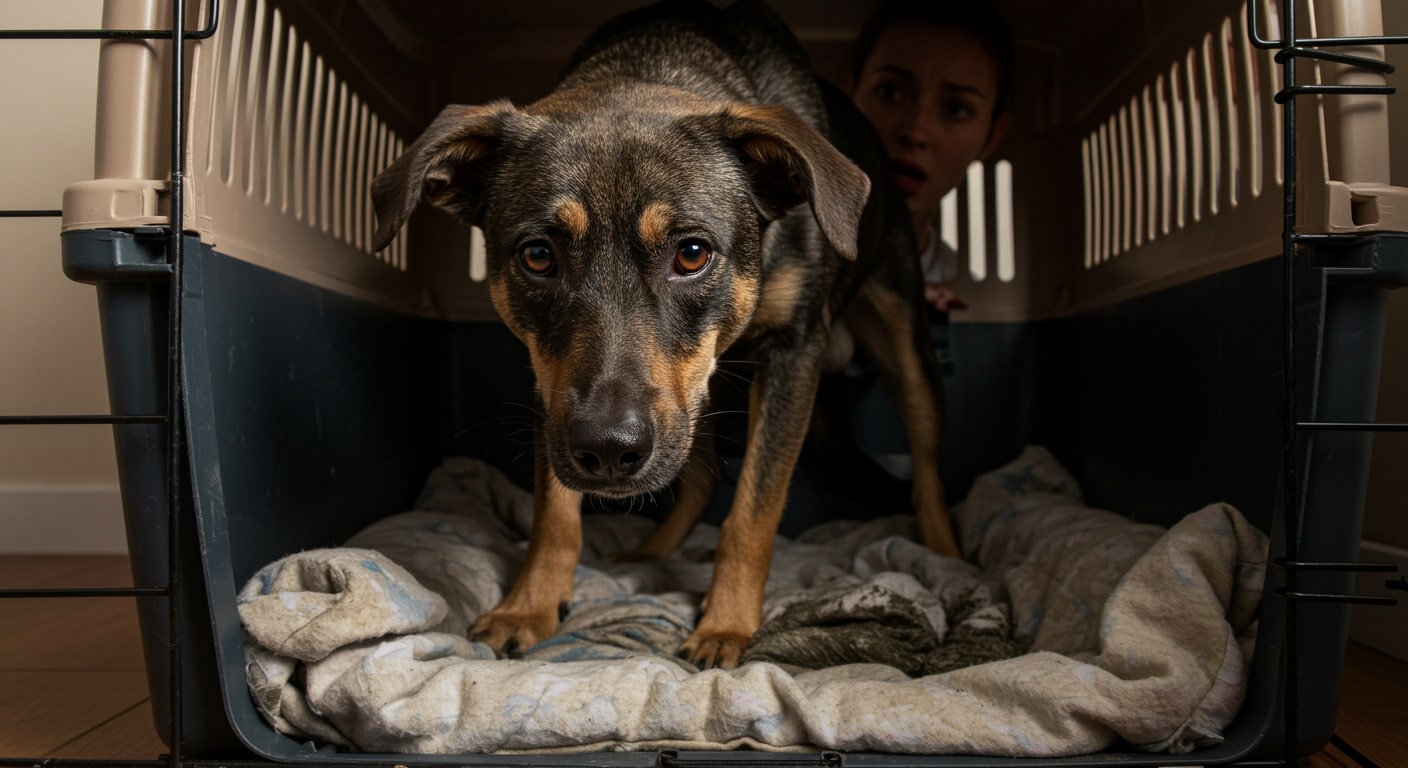
Few things frustrate dog owners more than discovering their dog pees in crate or finding that their puppy keeps pooping in crate despite seemingly proper training. When your puppy is peeing in their kennel or you're dealing with a dog suddenly pooping in crate at night, the frustration is compounded by confusion—isn't the crate supposed to help with housetraining? Understanding why dogs eliminate in their crates and learning how to get your dog to stop peeing in the crate or how to stop your puppy from pooping in the crate requires addressing multiple potential causes, from medical issues to training gaps.
This comprehensive guide addresses all aspects of crate elimination problems, including why your puppy is urinating in their crate, how to break your puppy from peeing in the crate, how to get your puppy to stop peeing in the kennel, and what to do when your 3 month old puppy is peeing in their crate. Whether you're dealing with puppy peeing in kennel situations or an adult dog that keeps peeing in their crate, you'll find evidence-based solutions. This article complements our guides on working with a dog behaviorist for separation anxiety and managing dog kennel anxiety.
Why Does My Dog Pee in Their Crate?
Understanding the root cause is essential for implementing effective solutions. Dogs naturally avoid soiling their sleeping areas, so crate elimination indicates something has overridden this instinct.
The Natural Den Instinct
Dogs are den animals with an innate preference to keep sleeping areas clean. This instinct is the foundation of crate training for housetraining—dogs naturally hold their bladder and bowels to avoid soiling where they sleep. When this instinct is overridden and your dog keeps peeing in their crate, it signals that something is wrong either physiologically, environmentally, or behaviorally.
Breaking Down the Causes
Crate elimination stems from several distinct categories of causes: medical issues affecting bladder or bowel control, incomplete or improper housetraining leaving gaps in understanding, anxiety and stress overriding normal control, environmental factors like crate size or duration of confinement, and age-related factors particularly in very young puppies. Often, multiple factors combine to create the problem. Effective solutions require identifying and addressing your specific dog's underlying causes.
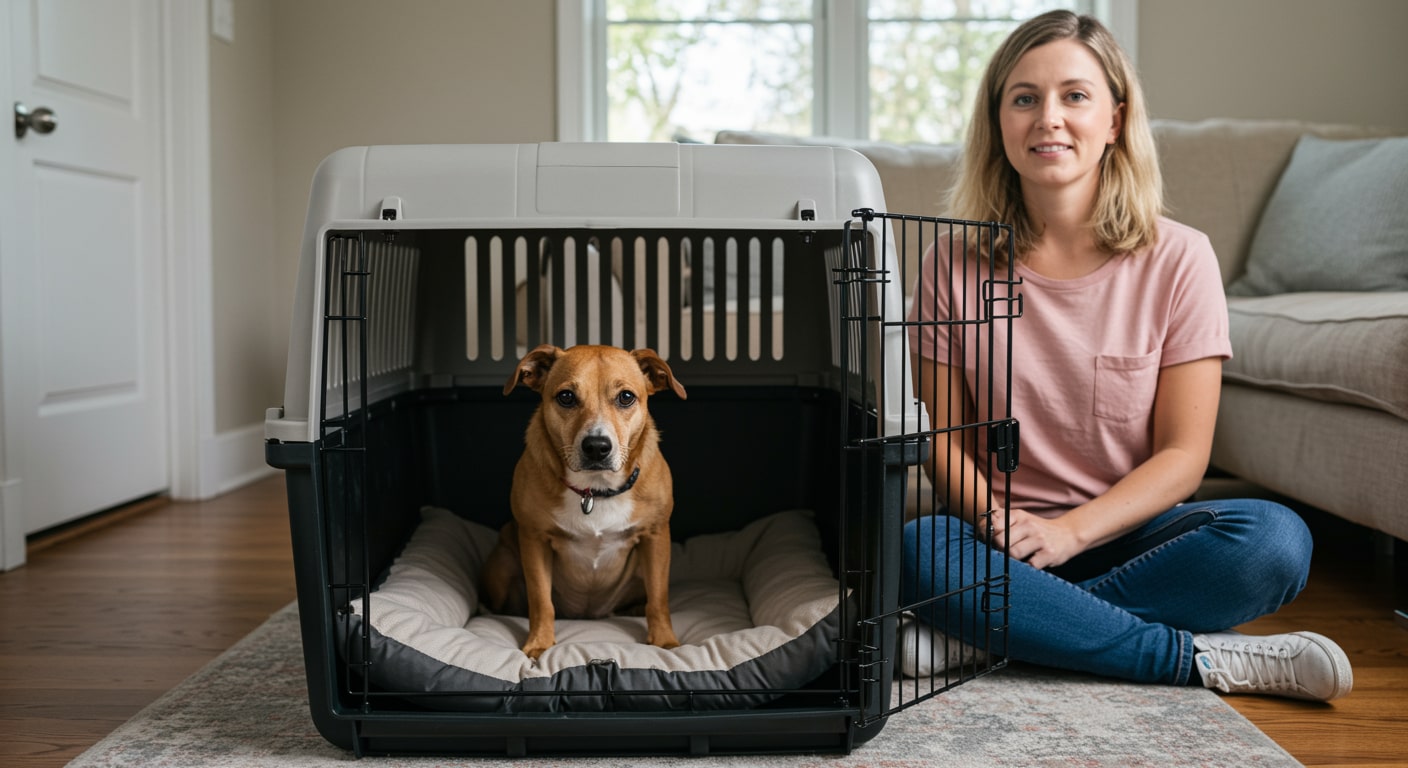
Why Does My Puppy Poop in Her Crate?
Puppy defecating in crate and puppy pooping in kennel are particularly common because puppies face unique developmental challenges.
Developmental Factors
Very young puppies lack full physiological control over their bowels. The muscles controlling elimination don't fully develop until 4-6 months of age. Before this, even motivated puppies may have accidents. A 3 month old puppy peeing in crate or pooping is often simply due to immature control systems, not defiance or training failure.
Puppy-Specific Causes
When your puppy eliminates in crate, consider these puppy-specific factors. Limited bladder and bowel capacity means puppies need frequent bathroom breaks—more often than many owners realize. Incomplete understanding of housetraining concepts occurs because puppies are still learning expectations. Overfeeding or feeding too close to crate time increases urgency. High water intake before crating leads to fuller bladders. Digestive sensitivities to certain foods cause urgent bowel movements. Stress from separation or crate confinement can trigger elimination.
The Learned Tolerance Problem
One critical issue occurs when puppies from pet stores, puppy mills, or certain breeding situations spent early weeks confined to small spaces and were forced to eliminate where they slept. These puppies learned to tolerate soiling their sleeping area, essentially overriding the natural den instinct. This learned tolerance is much harder to address than simple training gaps, often requiring extensive reconditioning.
Medical Causes: Rule These Out First
Before assuming behavioral causes when your dog keeps peeing in their crate or your puppy keeps pooping in their crate, always rule out medical issues.
Urinary Tract Infections (UTIs)
UTIs cause frequent, urgent need to urinate that dogs cannot control. Signs include frequent attempts to urinate with small amounts produced, straining or visible discomfort while urinating, cloudy or bloody urine, and excessive licking of genital area. If your previously housetrained dog suddenly starts urinating in the crate, especially with any of these signs, veterinary examination is essential. UTIs are easily diagnosed with urinalysis and treated with antibiotics.
Gastrointestinal Issues
Various digestive problems can cause urgent bowel movements your dog cannot hold. Parasites like giardia, roundworms, or hookworms are common in puppies causing diarrhea and urgency. Food intolerances or allergies trigger digestive upset. Inflammatory bowel disease creates chronic digestive problems. Dietary indiscretion—eating inappropriate items—causes temporary digestive distress. If your puppy keeps defecating in crate or has diarrhea-like stools, fecal examination by your veterinarian is necessary.
Other Medical Conditions
Several other health issues can cause crate elimination including diabetes causing excessive thirst and urination, kidney disease affecting urine concentration and bladder control, Cushing's disease increasing water consumption and urination frequency, bladder stones causing pain and urgency, spinal issues affecting nerve control of bladder and bowels, and cognitive dysfunction in senior dogs causing confusion about appropriate elimination locations.
When to See a Veterinarian
Consult your veterinarian immediately if elimination in the crate started suddenly in a previously housetrained dog, your puppy shows signs of pain or discomfort, there's blood in urine or stool, your dog is excessively drinking water, diarrhea lasts more than 24 hours, or your dog seems lethargic or unwell. Never assume crate elimination is purely behavioral until medical causes are ruled out.
Behavioral Causes: Anxiety and Incomplete Training
Once medical issues are ruled out, behavioral factors are the most common cause of crate elimination.
Separation Anxiety and Stress
Dogs experiencing severe separation anxiety may eliminate in crates due to panic-induced loss of control. Extreme stress triggers physiological responses including increased intestinal motility and reduced bladder control. If your dog shows other anxiety signs—frantic barking, destructive attempts to escape, excessive drooling, or self-harm behaviors—anxiety is likely contributing to elimination problems. Addressing the underlying anxiety through systematic desensitization becomes essential, not just treating the elimination symptom.
Incomplete Housetraining
Many crate elimination cases stem from gaps in basic housetraining. Perhaps your dog was never fully housetrained before crate introduction. Maybe they understand not to eliminate indoors when free but haven't generalized this to crate situations. Some dogs learned outdoor elimination but don't understand the concept of holding it when necessary. Incomplete training requires returning to basic housetraining protocols, not just managing crate-specific symptoms.
Previous Reinforcement of Elimination
If your puppy was previously kept in situations where they had no choice but to eliminate in confined spaces—like long pet store confinements or puppy mill conditions—they learned that eliminating in their living area is acceptable. This learned behavior requires active reconditioning, teaching that holding elimination is both possible and expected. This process takes significant time and patience.
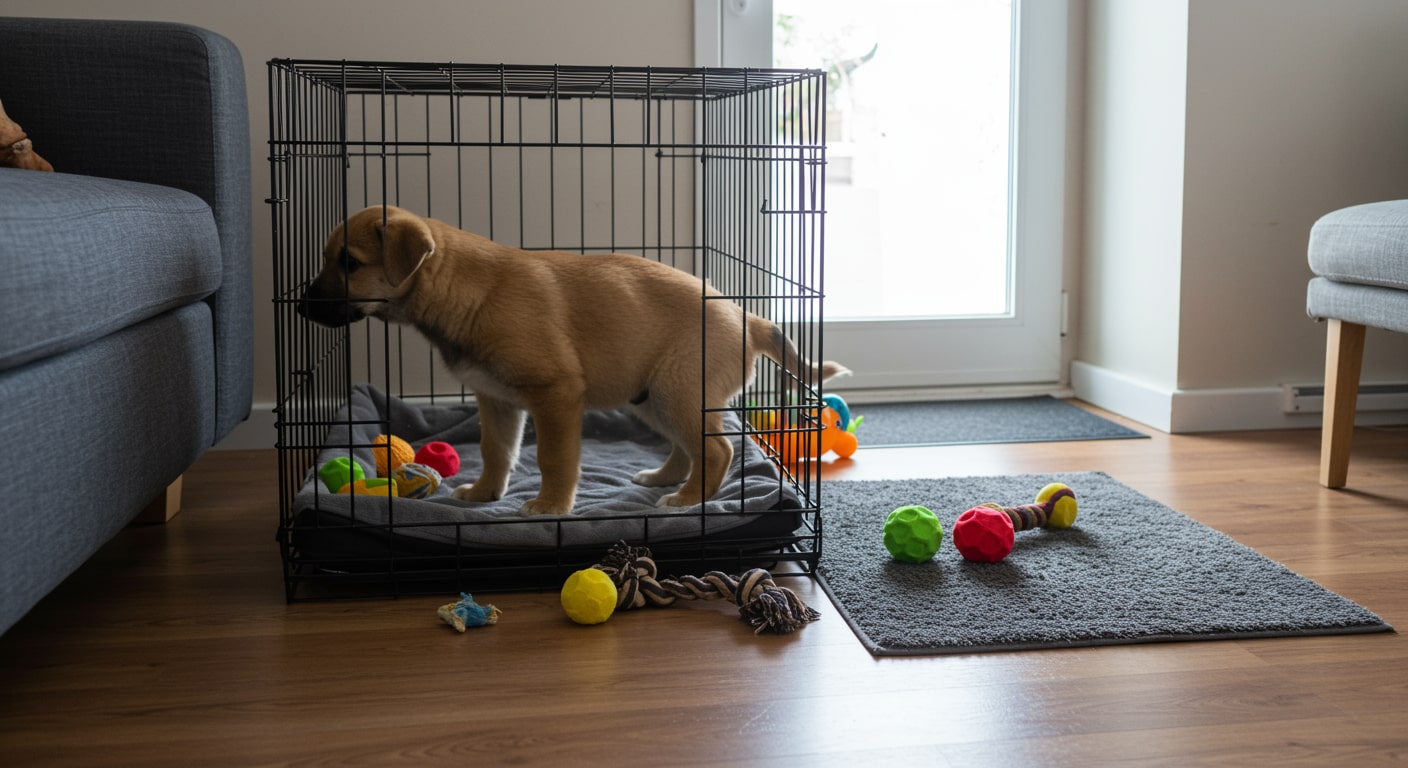
Puppy Peeing in Crate vs Adult Dog Scenarios
While some causes overlap, puppy urinating in crate differs significantly from adult dog crate elimination.
Puppy-Specific Considerations
When addressing puppy peeing in kennel or puppy pooping in crate, remember these puppy realities. Bladder control develops gradually using the general formula: a puppy can hold their bladder for approximately their age in months plus one hour. A 3 month old puppy peeing in crate after 5 hours isn't misbehaving—they've exceeded their physiological capacity. Expecting longer confinement guarantees accidents. Puppies also need more frequent bathroom breaks after sleeping, eating, drinking, playing, or training. They have shorter digestive transit times meaning food moves through their system faster. Learning is incomplete—puppies are still developing understanding of expectations. Stress sensitivity is higher as puppies find new situations more overwhelming than adult dogs.
Adult Dog Considerations
Adult dogs who pee or poop in crates present different implications. They should have full physiological control unless medical issues exist. If previously housetrained, sudden crate elimination likely indicates medical problems, severe anxiety, or environmental factors like being crated beyond reasonable duration. Adult dogs who were never properly housetrained may need complete housetraining protocols. Those from shelter or rescue backgrounds might have learned tolerance for soiling sleeping areas or have trauma associated with confinement. Adult dog crate elimination often requires addressing underlying anxiety or medical issues rather than just training.
Dog Suddenly Pooping in Crate at Night: Special Considerations
When your dog suddenly starts pooping in crate at night after previous success, specific factors may be at play.
Nighttime-Specific Triggers
Several factors make nighttime elimination distinct from daytime accidents. Longer confinement duration during overnight hours tests bladder and bowel capacity limits. Feeding schedule timing—late dinners mean digestion occurs during night hours. Reduced opportunity for pre-bed elimination if evening bathroom breaks are rushed. Anxiety intensification in darkness, especially for dogs with nighttime anxiety. Medical issues like diarrhea often worsen at night. Senior dog cognitive dysfunction causes nighttime confusion.
Age-Related Changes
Senior dogs may develop nighttime elimination issues due to declining muscle control, cognitive dysfunction causing confusion about appropriate elimination locations, medical conditions like kidney disease or diabetes worsening at night, arthritis pain making position changes to hold elimination uncomfortable, and medication side effects affecting bladder or bowel control. If your previously reliable senior dog starts nighttime crate elimination, thorough veterinary examination is essential.
Adjusting Nighttime Management
For nighttime crate elimination, adjust evening routines by feeding dinner earlier allowing digestion before bedtime, limiting water intake 2-3 hours before bed while ensuring adequate daytime hydration, providing thorough, extended bathroom breaks immediately before crating, and considering mid-night bathroom breaks for young puppies or dogs with medical issues. For senior dogs or those with medical conditions, overnight confinement alternatives like larger pens with potty pads may be more humane than forcing crate holding they cannot physically manage.
How to Get Dog to Stop Peeing in Crate: 5-Step Plan
Learning how to stop your dog from peeing in their crate requires systematic implementation of multiple strategies.
Step 1: Veterinary Examination
Schedule a thorough veterinary exam including urinalysis to check for UTI or other urinary issues, fecal examination for parasites if defecation is the problem, bloodwork screening for diabetes, kidney disease, or other conditions, and discussion of any medications that might affect elimination. Address any identified medical issues before proceeding with behavioral interventions. Medical problems require medical solutions, not training.
Step 2: Crate Size and Setup Optimization
Ensure appropriate crate sizing—large enough for your dog to stand, turn around, and lie comfortably but not so large they can eliminate in one corner and sleep in another. For growing puppies, use dividers to adjust available space as they grow. Remove absorbent bedding that might encourage elimination, using minimal or no bedding initially if elimination is frequent. Thoroughly clean any soiled crates with enzymatic cleaners eliminating odor that might trigger repeat elimination. Ensure adequate ventilation and comfortable temperature preventing stress.
Step 3: Housetraining Protocol Reset
Return to basic housetraining fundamentals regardless of your dog's age. Take your dog outside immediately after release from crate, establishing bathroom breaks as the first post-crate activity. Use consistent bathroom spots and verbal cues like "go potty." Provide enthusiastic praise and high-value rewards immediately when your dog eliminates appropriately outside. Never punish accidents—this creates fear and anxiety without teaching appropriate behavior. Document successful outdoor eliminations and any accidents, tracking patterns to identify triggers or timing issues.
Step 4: Duration Management
Ensure crate confinement never exceeds your dog's holding capacity. For puppies, use the age-in-months-plus-one formula as the absolute maximum—and start with even shorter durations initially. For adult dogs, even those with full capacity, avoid crating longer than 6-8 hours. Arrange mid-day bathroom breaks through dog walkers, neighbors, or daycare if your schedule requires longer absences. Build crate duration gradually—start with durations you're certain your dog can handle, then slowly extend over weeks.
Step 5: Addressing Underlying Anxiety
If anxiety contributes to crate elimination, implement systematic desensitization to crate confinement. Our comprehensive guide on dog kennel anxiety provides detailed protocols. Consider environmental modifications like pheromone diffusers, white noise, or calming music. Ensure adequate physical and mental exercise before crating. For severe anxiety, consult a veterinary behaviorist about anti-anxiety medication that might reduce stress enough for learning to occur. Treat the anxiety, not just the elimination symptom.
How to Stop Puppy from Pooping in Crate
When addressing how to get your puppy to stop pooping in their crate, puppy-specific strategies are essential.
Feeding Schedule Management
Establish consistent feeding times creating predictable elimination schedules. Most puppies need to defecate 15-30 minutes after eating. Feed meals at times that allow post-meal bathroom breaks before crating. For puppy pooping in kennel at night, ensure dinner is served early enough for complete digestion before bedtime. Avoid free-feeding which makes elimination timing unpredictable. Monitor water intake timing—ensure adequate hydration but consider limiting intake 2-3 hours before extended crating.
Frequent Bathroom Breaks
Take puppies outside much more frequently than seems necessary. For very young puppies, this might mean every 1-2 hours during waking hours. Always provide bathroom breaks immediately after waking, within 15-30 minutes after eating, after play sessions or training, and immediately before crating. Stay outside long enough to ensure complete elimination—don't rush back inside after the first urination if bowel movements might follow. Use consistent verbal cues and enthusiastic rewards building strong positive associations with outdoor elimination.
Gradual Crate Duration Building
Start with extremely short crate durations—even just 5-10 minutes—that you're absolutely certain your puppy can handle without eliminating. Gradually extend duration by 5-15 minutes at a time, only progressing when your puppy consistently succeeds at the current duration. If accidents occur, you've progressed too quickly—return to previous successful duration. Building slowly prevents the puppy from developing a habit of crate elimination.
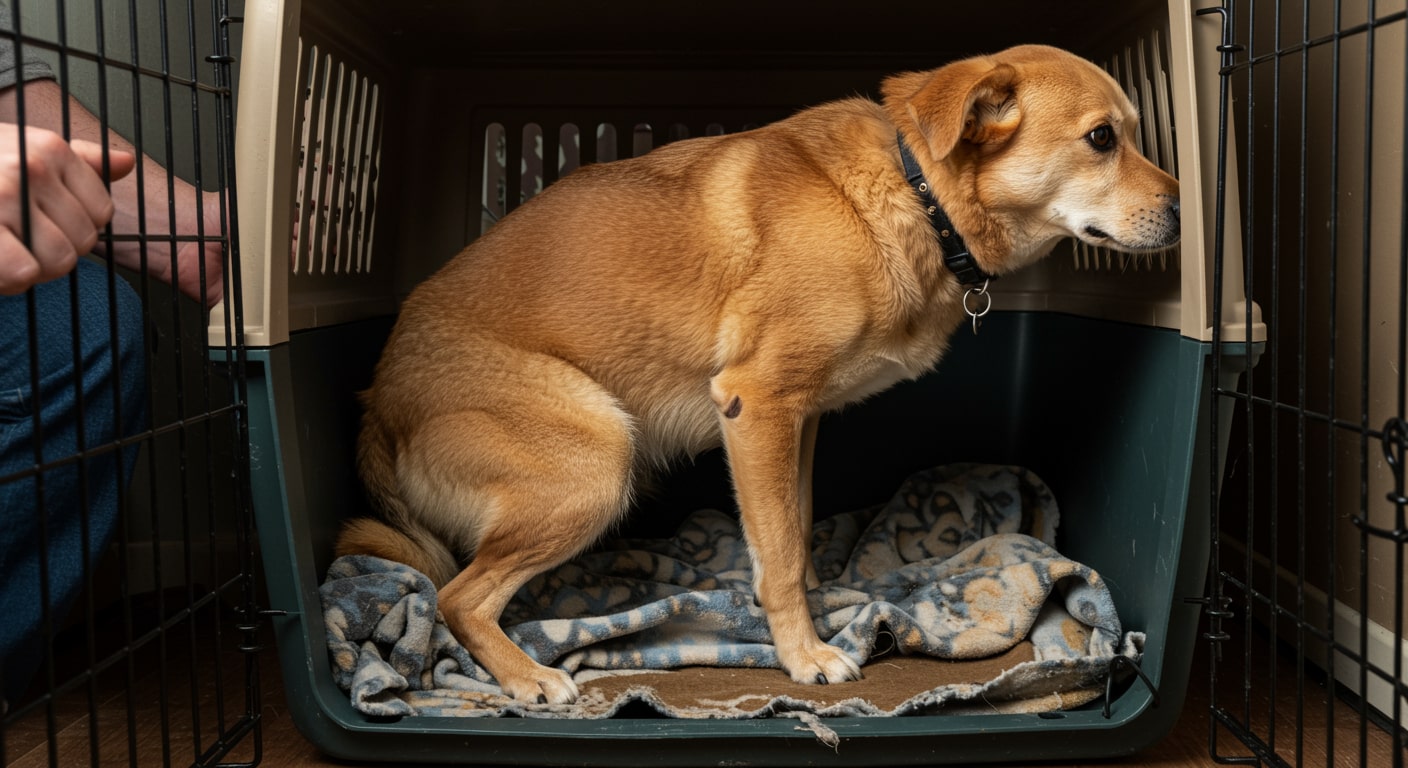
How to Break Puppy from Peeing in Crate
Learning how to get your puppy to stop peeing in their crate or how to stop puppy peeing in crate requires patience and consistency.
Interrupt and Redirect
If you witness your puppy beginning to eliminate in the crate, calmly interrupt with a gentle sound or word—not harsh punishment. Immediately take your puppy outside to their bathroom spot. If they complete elimination outside, provide enthusiastic praise and rewards. This teaches appropriate location without creating fear. Never yell or punish—this increases anxiety and can worsen the problem.
Remove Elimination Triggers
Thoroughly clean any crate accidents with enzymatic cleaners specifically designed for pet urine. Regular cleaners may mask odor to humans but dogs can still detect it, triggering repeat elimination in the same spot. Remove absorbent bedding temporarily if your puppy keeps peeing in their kennel—the lack of absorption makes elimination less comfortable, encouraging holding. Once your puppy consistently holds elimination, gradually reintroduce bedding.
Reinforce Outdoor Success
Make outdoor elimination extremely rewarding. Use the highest value treats your puppy loves—fresh chicken, cheese, or specialty treats. Provide enthusiastic verbal praise. Immediately after successful outdoor elimination, offer brief play or exploration time as an additional reward. This multi-layered reinforcement builds strong preference for outdoor elimination over crate accidents.
Monitor Fluid Intake Timing
While ensuring your puppy gets adequate daily water, consider timing of intake relative to crating. If your puppy urinating in crate occurs after heavy drinking, ensure water access earlier in the day and provide bathroom breaks 15-30 minutes after significant drinking. For overnight crating, limit water 2-3 hours before bedtime while ensuring plenty of access during waking hours. Never completely restrict water—dehydration is dangerous.
Puppy Eliminates in Crate: Understanding Bladder Control
Understanding developmental bladder control helps set realistic expectations for how to break your puppy from peeing in the crate.
Age-Based Capacity
Puppy bladder control develops gradually. Use these general guidelines: 8 weeks old can hold approximately 1-2 hours maximum, 12 weeks old can hold approximately 3-4 hours maximum, 16 weeks old can hold approximately 4-5 hours maximum, and 6 months old can hold approximately 6-7 hours maximum. These are maximums, not recommendations—puppies shouldn't routinely be crated for their maximum capacity. Build gradually to these durations, don't start with them.
Individual Variation
Every puppy is unique. Smaller breeds often have smaller bladders relative to body size and may need more frequent breaks than large breeds. Some puppies develop control earlier, others later. Activity level, water intake, diet composition, and individual physiology all affect capacity. Pay attention to your individual puppy's signals and needs rather than rigidly following general guidelines.
Signs Your Puppy Needs to Go
Learn to recognize pre-elimination signals including sniffing the ground circling or pacing, whining or barking, suddenly stopping play or activity, moving toward doors or usual bathroom spots, and restless behavior or inability to settle. When you see these signs during supervised out-of-crate time, immediately take your puppy outside. This builds communication and helps your puppy develop awareness of their own bodily signals.
3 Month Old Puppy Peeing in Crate: Age-Specific Solutions
A 3 month old puppy peeing in crate is common because this age represents a challenging developmental window.
Realistic Expectations
At 3 months (12 weeks), puppies can typically hold their bladder for approximately 3-4 hours maximum under ideal conditions. However, stress, excitement, or incomplete control may reduce this. Expecting a 3 month old puppy to hold elimination for 6-8 hours while you work guarantees accidents and creates negative crate associations. If your schedule requires longer absences, arrange mid-day breaks through dog walkers, pet sitters, or trusted neighbors.
Modified Crating Approaches
For 3 month old puppies, consider alternatives to traditional crating for long periods. Use exercise pens with potty pads in one corner and bed/toys in another allowing elimination if absolutely necessary while protecting flooring. Create puppy-proofed small rooms or areas with easy-to-clean flooring and designated potty pad areas. Arrange doggy daycare or pet sitter visits breaking up long alone periods. These approaches acknowledge developmental limitations while maintaining progress toward full housetraining.
Accelerated Bathroom Break Schedule
For 3 month old puppies, maintain an aggressive bathroom schedule. Provide breaks every 2-3 hours maximum during the day, immediately after waking from any nap, 15-30 minutes after every meal, after any play or training session, and before any crating period. Yes, this is intensive and inconvenient. It's also temporary—as your puppy matures, capacity increases and breaks can become less frequent.
Dog Keeps Peeing in Crate Despite Training
When your dog keeps peeing in their crate despite seemingly proper training, additional troubleshooting is needed.
Reassess Medical Factors
If training isn't working, revisit medical possibilities. Some conditions are subtle and might not be caught in initial examinations. Consider requesting more extensive testing, getting a second veterinary opinion, or consulting a veterinary specialist. Medical issues won't respond to behavioral training—they require medical treatment.
Evaluate Crate Duration
Honestly assess whether you're asking your dog to hold elimination beyond their realistic capacity. Even adult dogs struggle with 10-12 hour confinement. Calculate actual crate time including commute, work hours, and other commitments. If it exceeds 6-8 hours, this is likely the problem regardless of training quality. Solution involves reducing duration through dog walkers, daycare, or alternative confinement.
Check for Learned Tolerance
Dogs from puppy mills, certain breeding situations, or pet stores may have learned early that eliminating in living spaces is normal. This deeply ingrained pattern is extremely difficult to change. It requires extensive reconditioning, not just standard training. Consider consulting a certified dog behaviorist for customized protocols. Be prepared for this to take months of consistent work with possible incomplete success.
Address Hidden Anxiety
Sometimes anxiety drives elimination even when other anxiety signs are subtle. Invest in a pet camera to observe your dog's behavior when alone. What looks like simple elimination might actually be panic-driven loss of control. If anxiety is present, address it through systematic desensitization, environmental modifications, and possibly medication consultation with your veterinarian.
Cleaning and Odor Removal
Proper cleaning is essential for preventing repeat elimination in the same spot.
Why Enzymatic Cleaners Matter
Regular household cleaners may mask odors to human noses but don't eliminate the organic compounds dogs detect. Enzymatic cleaners contain bacteria and enzymes that actually break down urine and feces at the molecular level, completely removing the scent markers that trigger re-soiling. Nature's Miracle, Rocco & Roxie, and Simple Solution are popular enzymatic options.
Proper Cleaning Protocol
Remove all bedding and washable items immediately laundering in hot water with enzyme-based detergent. Rinse crate thoroughly with water removing all visible waste. Apply enzymatic cleaner liberally following product instructions—often requires saturation and 10-15 minute dwell time. Allow to air dry completely—UV light from sun exposure enhances effectiveness. Repeat if necessary for persistent odors. Replace bedding only once crate is completely clean and dry.
When to Replace
Sometimes odor penetrates materials beyond cleaning capability. Absorbent bedding that's been repeatedly soiled may need replacement. Plastic crate trays with deep scratches can harbor bacteria and odor—consider replacing. Wire crates can typically be cleaned effectively, but plastic crates might retain odor if heavily soiled over time.
Crate Size and Setup Issues
Improper crate configuration contributes to elimination problems more often than owners realize.
The "Too Large" Problem
Crates significantly larger than necessary allow dogs to eliminate in one end and sleep in the other, essentially creating a bedroom and bathroom. This defeats the den instinct mechanism that makes crate training effective for housetraining. Proper sizing means your dog can stand without hunching, turn around completely, and lie down comfortably—but not much more. For growing puppies, use crate dividers to provide appropriate space at each growth stage.
The "Too Small" Problem
Conversely, crates that are too cramped cause stress and discomfort. A dog unable to fully stretch or turn around experiences confinement stress that can trigger anxiety-related elimination. Measure your dog properly: length from nose to base of tail (not tip) plus 2-4 inches, and height from floor to top of head when standing plus 2-3 inches. This ensures comfort without excess space.
Bedding Considerations
Absorbent bedding can actually encourage elimination in some dogs—it soaks up urine making the experience less unpleasant, reducing the motivation to hold it. If your puppy keeps peeing in their crate on bedding, try removing it temporarily. Use a bare crate or very thin, non-absorbent mat. Once your puppy consistently holds elimination, gradually reintroduce comfortable bedding.
When to See a Vet
Certain scenarios absolutely require veterinary consultation before proceeding with behavioral interventions.
Immediate Veterinary Attention Needed
See your veterinarian immediately if you notice blood in urine or stool, your dog shows visible pain or straining during elimination, elimination is accompanied by vomiting or lethargy, diarrhea lasts more than 24 hours or is severe, your dog is excessively drinking water, previously housetrained dog suddenly starts having accidents, or your puppy isn't gaining weight appropriately despite eating well. These signs indicate potential medical emergencies requiring prompt professional care.
Non-Emergency Veterinary Consultation
Schedule veterinary appointments for persistent crate elimination despite training efforts, any change in elimination patterns or urine/stool appearance, senior dogs developing new elimination issues, suspected urinary tract infections, or before starting any supplements or medications for anxiety. Even when issues seem behavioral, veterinary examination rules out medical contributors ensuring you're addressing the actual cause.
Conclusion: Solving Crate Elimination Challenges
Whether you're addressing a dog that pees in their crate, a puppy peeing in their kennel, puppy pooping in crate situations, or wondering how to get your dog to stop peeing in the crate, solutions require understanding the underlying causes and implementing systematic interventions. From a 3 month old puppy peeing in their crate due to developmental limitations to an adult dog suddenly pooping in crate at night due to medical issues, each scenario demands individualized assessment and treatment.
Remember that learning how to stop your puppy from pooping in the crate, how to break your puppy from peeing in the crate, or how to stop your dog from urinating in the crate requires patience, consistency, and realistic expectations. Always rule out medical causes first, ensure appropriate crate size and duration, implement thorough housetraining protocols, and address any underlying anxiety through proper channels including consultation with a certified dog behaviorist specializing in separation anxiety.
Understanding why your puppy keeps peeing in their crate or why your dog keeps peeing in their crate despite your efforts helps you target interventions appropriately. With proper veterinary care, environmental optimization, consistent training, and patience with developmental timelines, most crate elimination problems can be resolved. For related challenges with house soiling more generally, see our comprehensive guide on how to get your dog to stop using the bathroom in the house.
Ready to solve your crate elimination challenges? Start today with a thorough veterinary examination ruling out medical causes, then honestly assess your crate size and duration asking whether they're appropriate for your dog's age and capacity. Implement a consistent bathroom break schedule with enthusiastic rewards for outdoor success. With systematic intervention and patience, you can help your dog develop reliable crate cleanliness and comfortable confinement.
Key Takeaways
- Always rule out medical causes before assuming crate elimination is behavioral
- Puppies have limited bladder control based on age—use the months-plus-one formula for maximum capacity
- Proper crate size matters—too large allows elimination in one corner, too small creates stress
- Remove absorbent bedding temporarily if your dog keeps eliminating in the crate
- Ensure crate duration never exceeds your dog's realistic holding capacity
- Use enzymatic cleaners to completely remove odor preventing repeat elimination
- Address underlying separation anxiety that may be causing stress-related elimination
- Build duration gradually with consistent bathroom breaks and enthusiastic rewards for outdoor success