
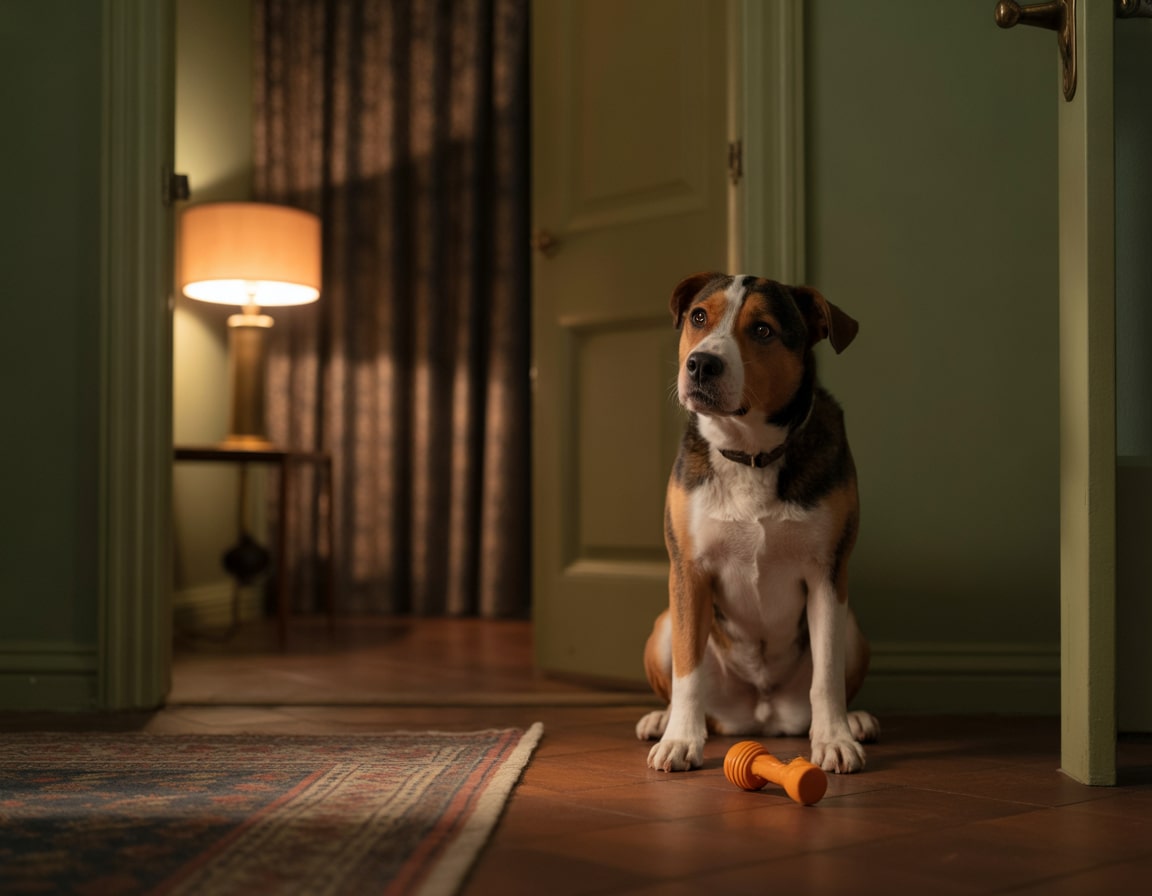
If you've ever experienced your dog with separation anxiety at night, you know how heart-wrenching it can be. The whining, barking, pacing, and destructive behavior not only disrupt your sleep but also indicate genuine distress in your furry companion. Nighttime separation anxiety in dogs is more common than many pet parents realize, affecting dogs of all ages, breeds, and backgrounds.
Understanding the root causes and implementing effective strategies can transform sleepless nights into peaceful rest for both you and your beloved pet. This comprehensive guide will walk you through everything you need to know about managing dog anxiety at night, from recognizing the early warning signs to creating lasting solutions that work.
Understanding Separation Anxiety in Dogs at Night
Separation anxiety is a behavioral condition where dogs experience extreme stress when separated from their owners or left alone. While this anxiety can occur at any time, nighttime presents unique challenges. During the day, dogs might cope better with distractions and natural light, but darkness and quiet can amplify their fears and insecurities.
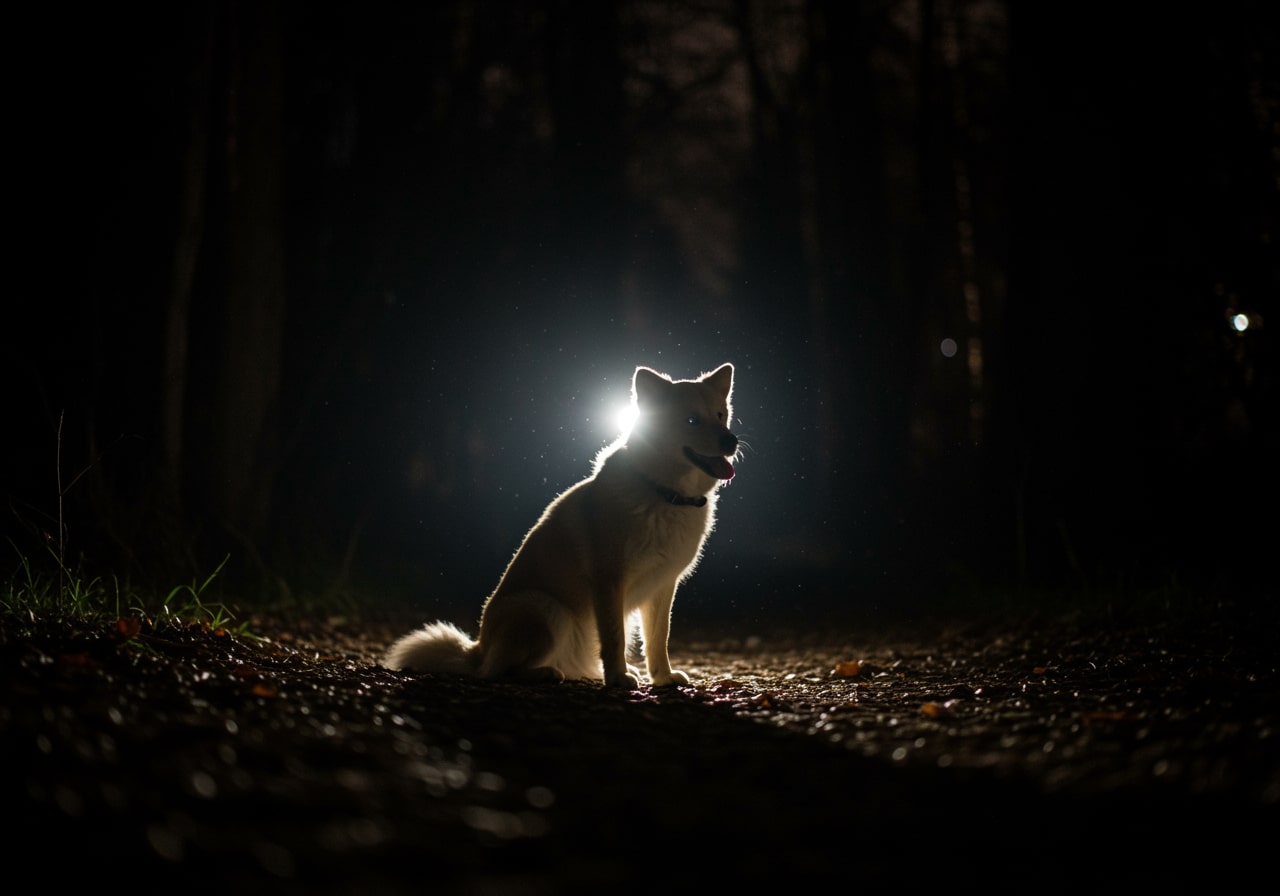
Why Nighttime Is Different
Nighttime separation triggers unique anxiety responses in dogs for several reasons. First, the household becomes quiet and still, eliminating the ambient sounds and activities that normally provide comfort. Second, darkness can be inherently unsettling for some dogs, especially those with vision problems or previous traumatic experiences. Third, your dog's natural pack instincts become heightened at night—in the wild, pack members sleep together for safety and warmth.
Signs of Separation Anxiety in Dogs at Night
Recognizing the signs early is crucial for addressing the problem effectively. Dogs communicate their distress in various ways, and understanding these signals helps you distinguish between normal settling-down behavior and genuine anxiety.
Behavioral Signs
- Excessive vocalization: Whining, howling, or barking that starts when you leave the room or go to bed
- Destructive behavior: Chewing doors, furniture, or scratching at barriers in attempts to reach you
- Pacing and restlessness: Inability to settle down, walking back and forth repeatedly
- Bathroom accidents: House-trained dogs suddenly having accidents despite recent outdoor breaks
- Escape attempts: Trying to break out of crates, rooms, or even jumping at windows
- Excessive drooling or panting: Physical signs of stress even in comfortable temperatures
Physical Symptoms
Beyond behavioral changes, dogs with nighttime anxiety may exhibit physical symptoms including dilated pupils, trembling, excessive yawning, and lip licking. Some dogs may refuse to eat dinner or treats given before bedtime. In severe cases, you might notice self-harm behaviors like excessive licking or chewing of paws.
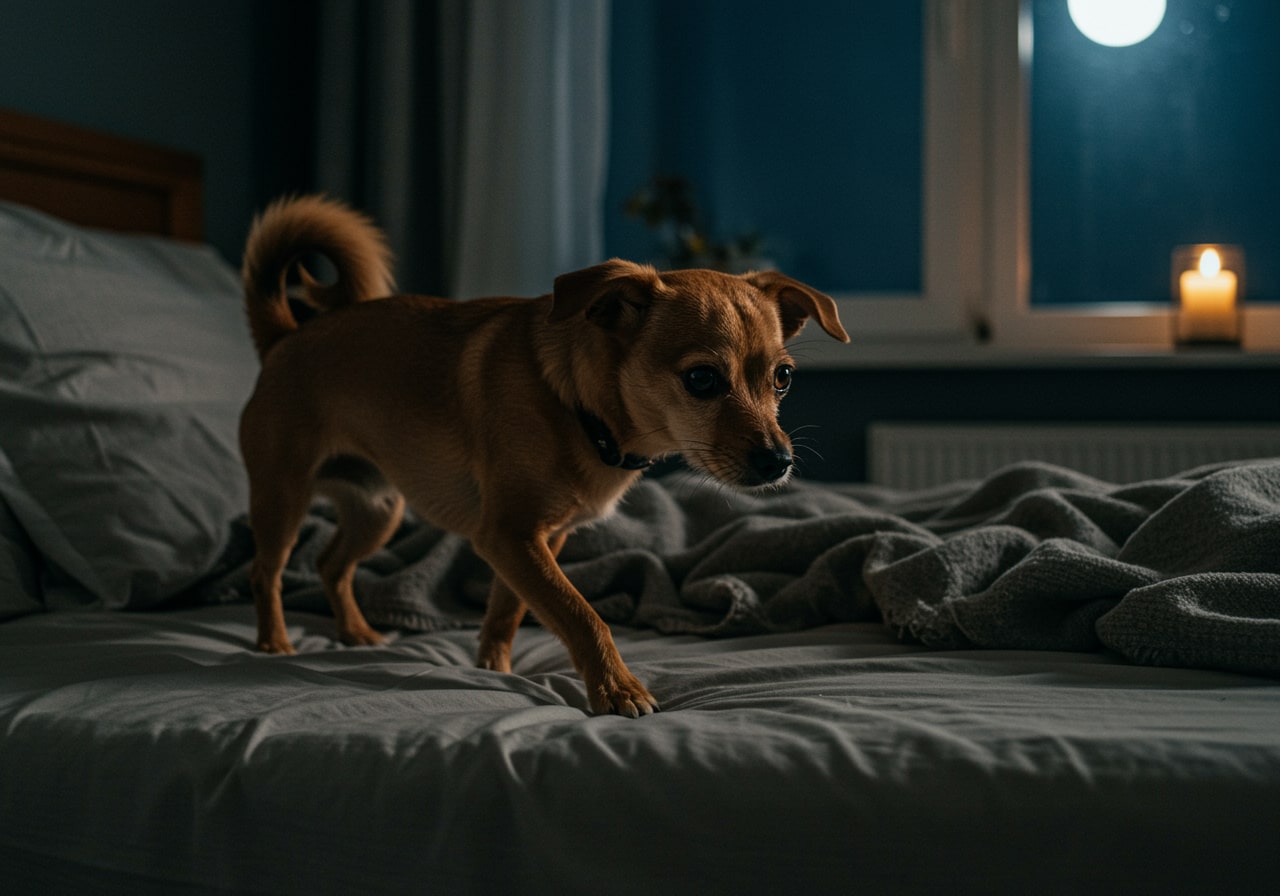
Common Causes of Dog Anxiety at Night
Understanding what triggers your dog's nighttime anxiety is essential for developing an effective treatment plan. Multiple factors can contribute to this condition, and often it's a combination of elements rather than a single cause.
Past Experiences and Trauma
Dogs with unknown histories, particularly rescues, may have experienced abandonment, neglect, or traumatic events during nighttime hours. These past experiences create deep-seated fears that manifest as anxiety when darkness falls. Even dogs raised from puppyhood can develop nighttime anxiety if they've experienced a traumatic event like a severe thunderstorm, break-in, or sudden loud noise at night.
Lack of Independence Training
Dogs who haven't been gradually taught to spend time alone may struggle significantly at night. If your dog has always slept in your bedroom or even in your bed, suddenly changing this routine can trigger intense anxiety. This is especially common in dogs who were pandemic puppies and experienced constant human presence during their formative months.
Medical Issues
Sometimes what appears to be separation anxiety actually stems from underlying medical conditions. Cognitive dysfunction in senior dogs, similar to dementia in humans, can cause nighttime confusion and anxiety. Pain from arthritis or other conditions may worsen when dogs lie down, creating associations between nighttime and discomfort. Always rule out medical causes with your veterinarian before assuming the issue is purely behavioral.
Senior Dog Anxiety at Night: Special Considerations
Senior dog anxiety at night deserves special attention because aging brings unique challenges. Older dogs may experience canine cognitive dysfunction (CCD), which affects their memory, learning, and awareness. This can lead to disorientation at night, causing them to forget where they are or feel lost even in familiar surroundings.
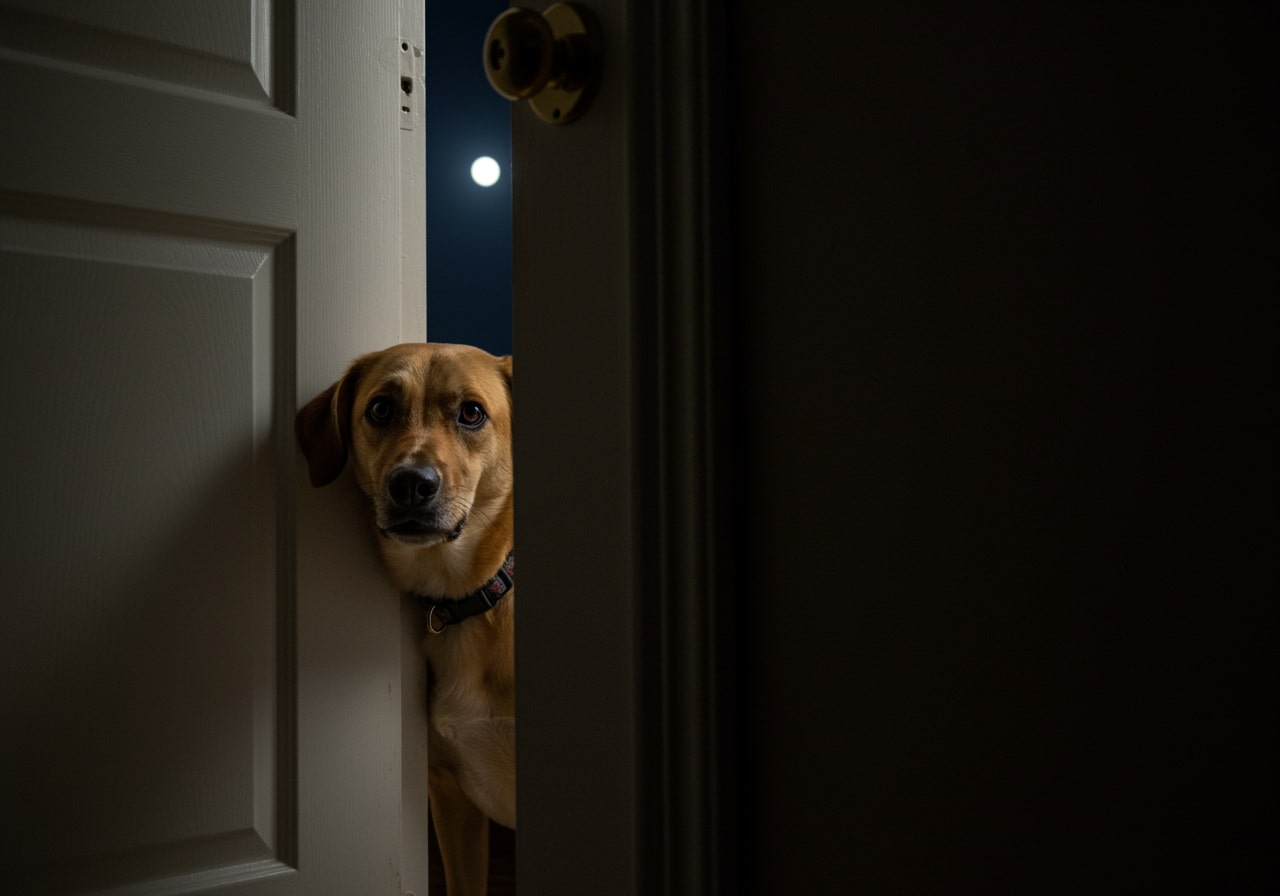
Age-Related Changes
Vision and hearing loss in senior dogs can make nighttime particularly frightening. They may not see well in the dark or hear your reassuring voice from another room. Additionally, older dogs often experience changes in their sleep-wake cycles, leading to "sundowner's syndrome" where confusion and anxiety increase in the evening and nighttime hours.
Managing Senior Dog Nighttime Anxiety
- Night lights: Keep soft lighting in areas where your dog sleeps to help with vision impairment
- Medication consultation: Ask your vet about supplements or medications that support cognitive function
- Comfortable sleeping arrangements: Provide orthopedic beds and ensure easy access without stairs or jumping
- Consistent routine: Maintain strict schedules for feeding, walks, and bedtime
- Close proximity: Consider moving your senior dog's bed closer to your room for reassurance
Proven Solutions for Nighttime Separation Anxiety
Addressing nighttime separation anxiety requires patience, consistency, and a multi-faceted approach. The following strategies have proven effective for countless dogs and their owners.
Create a Calming Bedtime Routine
Just like children, dogs benefit enormously from consistent bedtime routines. Start your routine 30-60 minutes before actual bedtime. This might include a final bathroom break, a calming walk around the block, some gentle play or training exercises, and then quiet time with gradually dimming lights. The predictability helps your dog understand what's coming and reduces anxiety.
Exercise and Mental Stimulation
A tired dog is often a calmer dog. Ensure your dog receives adequate physical exercise during the day—this varies by breed, age, and health status, but most dogs need at least 30-60 minutes of activity. Equally important is mental stimulation through puzzle toys, training sessions, or scent work. However, avoid vigorous exercise right before bedtime as this can be overstimulating.
Gradual Desensitization
Desensitization involves gradually increasing the time your dog spends alone at night. Start with very short periods—even just 30 seconds—where you step out of sight while your dog is in their sleeping area. Return before they show signs of anxiety, reward calm behavior, and gradually increase duration over days and weeks. This slow process teaches your dog that your absence is temporary and not threatening.
Create a Safe, Comfortable Space
Designate a specific sleeping area for your dog that feels safe and comfortable. This could be a crate (if properly introduced and viewed positively), a dog bed in a quiet corner, or a specific room. Make this space appealing with:
- Comfortable bedding that smells like you
- Favorite toys or chew items
- White noise machines or calming music
- Items of your clothing for your scent
- Adequate ventilation and comfortable temperature
Address Your Own Behavior
Dogs are incredibly perceptive and pick up on our emotions. If you feel guilty or anxious about leaving your dog at night, they'll sense this and become more anxious themselves. Practice calm, matter-of-fact departures and arrivals. Don't make a big fuss when you leave for bed or return in the morning—keep greetings low-key and reward calm behavior.
Professional Help and Treatment Options
Sometimes despite your best efforts, professional intervention becomes necessary. There's no shame in seeking help—in fact, it's the responsible choice when your dog's quality of life is affected.
When to Consult a Professional
Consider professional help if your dog's anxiety is severe, worsening over time, involves self-harm, isn't improving with home strategies after 4-6 weeks, or is significantly impacting your household's quality of life. A certified veterinary behaviorist or certified professional dog trainer specializing in anxiety can provide customized treatment plans.
Medication Options
In some cases, anti-anxiety medication can be a valuable tool, especially when combined with behavior modification. Medications don't "cure" separation anxiety, but they can reduce anxiety levels enough that your dog can learn new, healthier behaviors. Common options include SSRIs for long-term management, situational anti-anxiety medications, and natural supplements like melatonin or L-theanine. Always work with your veterinarian to determine if medication is appropriate.
Complementary Therapies
Many dogs benefit from complementary approaches including pheromone diffusers (like Adaptil), anxiety wraps or thunder shirts that provide gentle pressure, calming supplements containing ingredients like chamomile and valerian root, and massage or TTouch techniques. While these shouldn't replace core behavior modification strategies, they can provide additional support.
Long-Term Management and Prevention
Successfully managing a dog with separation anxiety at night is a marathon, not a sprint. Long-term success requires ongoing commitment and occasionally revisiting strategies as your dog ages or circumstances change.
Maintaining Progress
Once you've made progress, maintain gains by sticking to your established routine, continuing to practice alone time even when not necessary, monitoring for signs of regression during stressful periods, and adjusting strategies as needed for life changes like moves or schedule shifts.
Prevention for New Dogs
If you're bringing home a new dog or puppy, prevent nighttime anxiety from developing by teaching independence from day one, creating positive associations with alone time, maintaining consistent routines, and gradually building tolerance for separation. Start with short absences and slowly increase duration, always ensuring experiences remain positive.
Conclusion: Hope for Peaceful Nights
Living with a dog experiencing separation anxiety at night can feel overwhelming, but remember—this condition is manageable with the right approach. The signs of separation anxiety in dogs at night, whether in a young pup or senior dog anxiety at night scenarios, all respond to patient, consistent intervention.
Start by ruling out medical issues, then implement gradual behavior modification strategies. Create a calming environment, establish predictable routines, and don't hesitate to seek professional help when needed. Every dog is unique, so what works perfectly for one might need adjustment for another. Stay patient with yourself and your dog during this process.
Ready to help your anxious dog sleep peacefully? Start tonight by implementing just one strategy from this guide—perhaps creating a calming bedtime routine or introducing a white noise machine. Small steps lead to big changes, and with consistency and love, both you and your dog can look forward to restful, anxiety-free nights.
Key Takeaways
- Nighttime separation anxiety manifests through vocalization, destructive behavior, and physical stress symptoms
- Senior dogs face unique challenges including cognitive dysfunction and sensory decline
- Treatment requires consistency, patience, and often a combination of strategies
- Create calming routines, ensure adequate exercise, and gradually desensitize your dog to alone time
- Professional help is available and recommended for severe or persistent cases