

When your beloved dog is anxious, scared, or stressed, reaching for natural solutions can provide gentle, effective relief without the side effects of pharmaceutical medications. Home remedies to calm dogs have been used for centuries and are increasingly supported by scientific research. Whether your dog struggles with separation anxiety, thunderstorm phobia, or general nervousness, natural anxiety relief for dogs offers safe, accessible options you can implement right from your home.
This comprehensive guide explores proven natural remedies for dog anxiety, from herbal supplements and homeopathic treatments to environmental modifications and holistic approaches. You'll discover which home remedies for dog anxiety are backed by veterinary research, how to safely implement natural calming remedies for dogs, and when to combine natural approaches with professional guidance. Let's explore the most effective natural anxiety meds for dogs that can transform your anxious pup into a calmer, more relaxed companion.
Understanding Natural Anxiety Relief for Dogs
Before diving into specific remedies, it's important to understand what makes a treatment "natural" and how these approaches differ from prescription medications. Natural remedies encompass herbs, supplements, essential oils, dietary changes, and environmental modifications that support your dog's nervous system without synthetic pharmaceuticals. These approaches often work more gently and gradually than prescription drugs, with fewer side effects when used appropriately.
The Benefits of Natural Approaches
Natural calming remedies for dogs offer several advantages. They typically produce fewer side effects compared to prescription anti-anxiety medications, making them safer for long-term use. Many can be used alongside behavioral training to enhance effectiveness. Natural remedies are often more affordable and accessible than prescription medications. They provide a holistic approach that addresses underlying imbalances rather than just masking symptoms. Additionally, most natural options are safe for dogs of all ages, including puppies and seniors.
Herbal Remedies for Dog Anxiety
Herbs have been used medicinally for thousands of years, and many offer remarkable calming properties for anxious dogs. These plant-based remedies work with your dog's body chemistry to promote relaxation and reduce stress responses naturally.
Chamomile: The Gentle Relaxant
Chamomile is one of the safest and most effective home remedies for dog anxiety. This gentle herb contains compounds that bind to the same brain receptors as anti-anxiety medications, producing mild sedative effects without drowsiness. You can brew chamomile tea, let it cool completely, and add small amounts to your dog's water or food. Alternatively, chamomile is available in tincture form specifically formulated for pets. Typical dosing is 0.25-0.5 ml of tincture per 30 pounds of body weight, but always consult your veterinarian first.
Valerian Root: Nature's Tranquilizer
Valerian root is a powerful natural sedative that helps reduce anxiety and promotes sleep. It's particularly effective for dogs scared of thunder, fireworks, or other noise-related anxiety. Valerian works by increasing GABA levels in the brain, the same mechanism as many prescription anti-anxiety drugs. While highly effective, valerian has a strong, unpleasant odor that some dogs dislike. It's available in capsule form, which can be opened and mixed with food. Give valerian 1-2 hours before anticipated stressful events for best results.
Passionflower: The Calm Creator
Passionflower is an excellent natural remedy for generalized anxiety and nervousness. Research shows it can be as effective as some prescription medications for reducing anxiety symptoms. Passionflower increases GABA activity in the brain, producing calming effects without significant sedation. It's particularly useful for dogs with separation anxiety or those who are generally high-strung. Look for pet-specific formulations and follow dosing guidelines based on your dog's weight.
Lavender: Aromatic Anxiety Relief
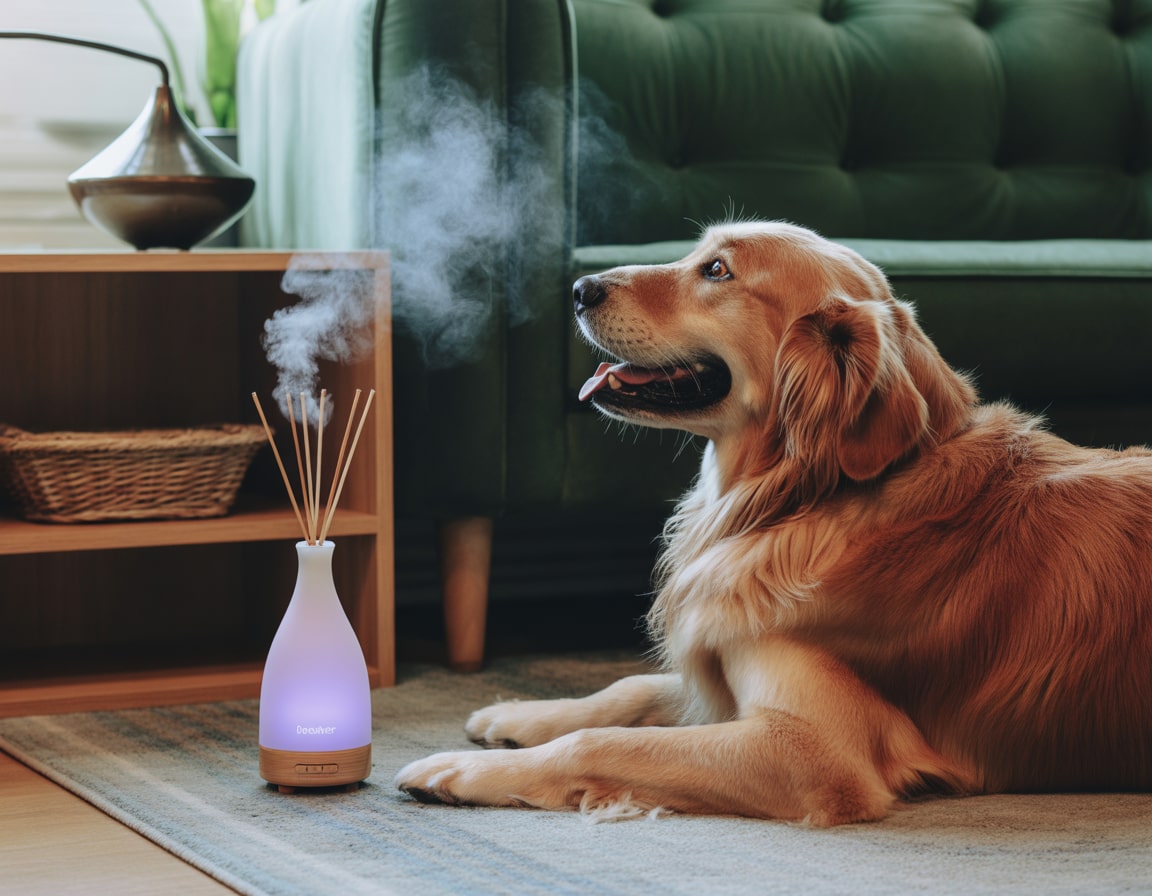
Lavender's calming properties work through aromatherapy as well as oral supplementation. Studies show that the scent of lavender can reduce stress responses in dogs, lowering heart rate and reducing restless behavior. You can use pet-safe lavender essential oil in a diffuser (never apply undiluted essential oils directly to your dog's skin), add dried lavender to bedding, or look for supplements containing lavender extract. Always ensure any essential oils used around dogs are high quality and properly diluted.
Natural Supplements and Nutrients
Beyond herbs, specific nutrients and supplements support nervous system health and reduce anxiety in dogs. These natural anxiety meds for dogs work by addressing nutritional deficiencies or supporting optimal brain chemistry.
L-Theanine: The Stress Reducer
L-theanine is an amino acid found in green tea that promotes relaxation without sedation. It increases production of calming neurotransmitters including GABA, serotonin, and dopamine. L-theanine is especially helpful for dogs with situational anxiety or those who are easily startled. It's available in supplement form specifically formulated for pets. Effects are typically noticed within 30-60 minutes and last several hours. Many veterinarians recommend L-theanine as a first-line natural anxiety treatment due to its excellent safety profile.
CBD Oil: Modern Natural Relief
Cannabidiol (CBD) has gained significant attention as a natural remedy for dog anxiety. CBD interacts with the endocannabinoid system to regulate stress responses, pain perception, and mood. Research and anecdotal evidence suggest CBD can reduce anxiety-related behaviors including excessive barking, destructive behavior, and trembling. Choose high-quality, third-party tested CBD products specifically formulated for pets. Start with low doses and gradually increase while monitoring your dog's response. Note that CBD is legal in most areas but regulations vary, so check local laws.
Omega-3 Fatty Acids: Brain Health Support
Omega-3 fatty acids, particularly EPA and DHA found in fish oil, support brain health and can reduce anxiety symptoms. These essential fats reduce inflammation, support neurotransmitter function, and promote overall nervous system health. While effects take longer to notice than some other remedies (typically 4-6 weeks of consistent use), omega-3s provide foundational support for emotional wellbeing. Look for high-quality fish oil supplements formulated for dogs and give according to weight-based dosing instructions.
Melatonin: The Sleep and Anxiety Aid
Melatonin is a hormone naturally produced by the body to regulate sleep-wake cycles. Supplemental melatonin can help anxious dogs relax, particularly those with nighttime anxiety or noise phobias. It's one of the safest home remedies for dogs scared of thunder or fireworks. Give melatonin 30-60 minutes before anticipated stress or bedtime. Typical dosing is 1-3 mg for small dogs, 3-6 mg for medium dogs, and 6-9 mg for large dogs, but always verify appropriate dosing with your veterinarian.
Homeopathic Remedies for Dog Anxiety
Homeopathy uses highly diluted natural substances to stimulate the body's healing responses. While controversial in conventional medicine, many pet owners report success with homeopathic remedies for dog anxiety.
Common Homeopathic Options
Aconitum napellus is used for acute anxiety, panic attacks, and fear of storms. Argentum nitricum helps with anticipatory anxiety and nervousness. Gelsemium sempervirens addresses anxiety with trembling and weakness. Ignatia amara is beneficial for anxiety related to grief or loss. Phosphorus helps sensitive, fearful dogs who crave companionship. Rescue Remedy, a blend of five Bach flower essences, is perhaps the most popular homeopathic anxiety remedy for pets.
Using Homeopathic Remedies Safely
Homeopathic remedies are generally considered very safe due to extreme dilution. They come in pellet, liquid, or spray form. Give remedies away from meals for best absorption. Effects should be noticeable within minutes to hours for acute situations. If no improvement is seen after several doses, the remedy may not be the right match for your dog's specific anxiety type. Working with a holistic veterinarian can help identify the most appropriate homeopathic remedies for your dog's unique situation.

Home Remedies for Dogs Scared of Thunder
Thunderstorm phobia is one of the most common canine anxieties and can be particularly intense. Fortunately, several natural remedies specifically help dogs cope with storm-related fear.
Creating a Thunder Safe Space
Designate a quiet, interior room away from windows as your dog's storm refuge. Add comfortable bedding, favorite toys, and items with your scent. Play white noise or calming music to mask thunder sounds. Consider a "thunder shirt" or anxiety wrap that applies gentle, constant pressure—this calming technique works similarly to swaddling an infant. Many dogs instinctively seek enclosed spaces during storms, so providing a covered crate or under-bed hideaway gives them a sense of security.
Natural Calming Protocol for Storms
At the first signs of an approaching storm, give your dog a combination of fast-acting natural remedies. Administer melatonin (30-60 minutes before storm arrival if possible) for its calming effects. Add several drops of Rescue Remedy to water or directly in mouth. Diffuse lavender essential oil in your dog's safe space. Offer a long-lasting chew treat to provide distraction and stress relief through chewing. Stay calm yourself—dogs pick up on human anxiety, so maintaining your composure helps them stay calmer.
Dietary Approaches to Reduce Anxiety
What your dog eats significantly impacts their emotional state. Certain dietary modifications serve as effective home remedies for dog anxiety.
Calming Foods and Ingredients
Incorporate tryptophan-rich foods like turkey, which supports serotonin production. Add small amounts of sweet potato, which provides steady energy and contains calming B vitamins. Include pumpkin in your dog's diet for its fiber content and calming properties. Blueberries are rich in antioxidants that support brain health and stress resilience. Bone broth provides amino acids that support neurotransmitter production and has a naturally calming effect.
Foods to Avoid
Just as important as what to include is what to avoid. Reduce or eliminate sugar and high-glycemic carbohydrates that cause energy spikes and crashes. Avoid artificial colors, flavors, and preservatives which some dogs are sensitive to. Limit caffeine-containing items (chocolate is toxic to dogs anyway, but some may inadvertently consume tea or coffee). Be cautious with high-protein diets in already hyperactive dogs, as excess protein can increase energy levels.
Environmental and Physical Remedies
Beyond supplements and herbs, physical interventions and environmental modifications provide powerful natural anxiety relief for dogs.
Massage and Touch Therapy
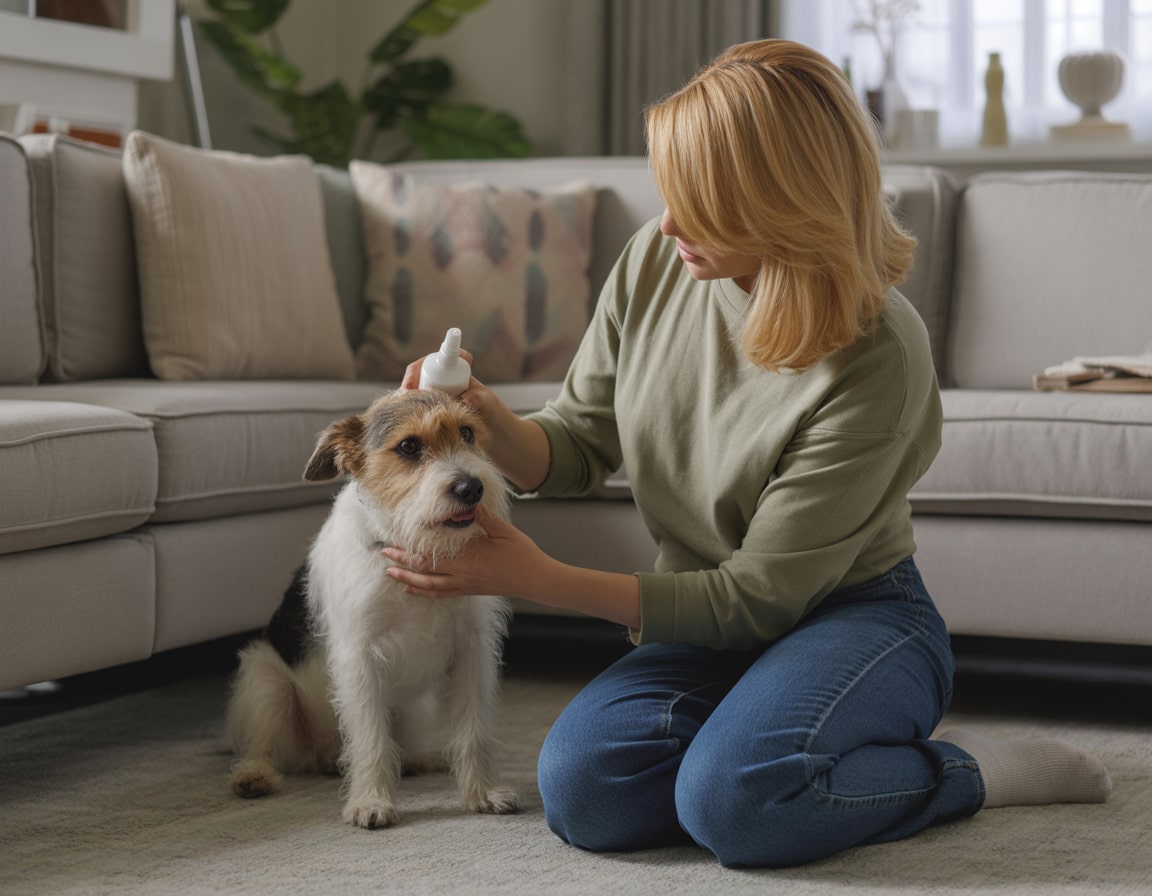
Gentle massage reduces cortisol (stress hormone) levels while increasing oxytocin (bonding hormone). Learn basic canine massage techniques focusing on long, slow strokes along the body. Pay special attention to the ears—massaging the ear flaps has a calming effect on many dogs. TTouch is a specific therapeutic touch method that can significantly reduce anxiety. Even simple petting and physical closeness can help anxious dogs feel more secure.
Exercise and Mental Stimulation
Adequate physical exercise is one of the most effective home remedies to calm dogs. A tired dog is generally a calmer dog. Ensure your dog receives appropriate daily exercise—the amount depends on breed, age, and health status. Include mental stimulation through puzzle toys, training sessions, and scent work. Mental exercise can be as tiring as physical activity and helps redirect anxious energy productively.
Music and Sound Therapy
Studies show that specific types of music can reduce anxiety in dogs. Classical music, particularly pieces with slow tempos and simple arrangements, promotes relaxation. "Through a Dog's Ear" is music specifically designed to calm anxious dogs. White noise machines mask triggering sounds and create a consistent, soothing environment. Some dogs respond well to nature sounds like gentle rain or ocean waves.
Combining Remedies for Maximum Effect
Often, the most effective approach combines multiple natural remedies. A comprehensive strategy might include daily omega-3 supplementation for foundational support, L-theanine or CBD oil given regularly for moderate anxiety, herbs like chamomile or valerian for acute stress situations, environmental modifications including safe spaces and calming music, regular exercise and mental stimulation, and massage or touch therapy for bonding and immediate calming effects.
Safety Considerations and When to Seek Help
While natural remedies are generally safe, responsible use requires awareness and caution. Always consult your veterinarian before starting new supplements, especially if your dog takes other medications. Start with low doses and increase gradually while monitoring for any adverse reactions. Purchase supplements from reputable companies that provide third-party testing and quality guarantees. Be aware that "natural" doesn't always mean "safe"—some herbs can interact with medications or be toxic to dogs. Never use essential oils undiluted on your dog's skin or allow them to ingest essential oils.
When Natural Remedies Aren't Enough
Seek professional veterinary help if your dog's anxiety is severe or worsening, involves self-harm behaviors like excessive licking or chewing, significantly impacts their quality of life or your household's functioning, or doesn't improve after 4-6 weeks of consistent natural interventions. Some dogs need prescription medication combined with behavior modification and natural remedies for optimal anxiety management. There's no shame in seeking professional help—severe anxiety is a medical condition requiring comprehensive treatment.
Creating Your Dog's Natural Anxiety Relief Plan
Developing an effective natural anxiety management strategy requires observation, patience, and often some trial and error. Start by identifying your dog's specific anxiety triggers and symptoms. Keep a journal tracking anxiety episodes, potential triggers, and responses to different remedies. Begin with one or two remedies and add others gradually to identify what works best. Give remedies adequate time to work—some effects are immediate, others take weeks. Combine natural remedies with behavior modification training for comprehensive, lasting improvement.
Conclusion: Natural Paths to Calmer Dogs
Home remedies to calm dogs offer safe, effective, and accessible options for managing canine anxiety. From time-tested herbs like chamomile and valerian to modern supplements like CBD and L-theanine, natural anxiety relief for dogs provides gentle support without the side effects of pharmaceutical medications. Whether you're addressing separation anxiety, noise phobias, or general nervousness, natural remedies for dog anxiety can make a significant difference in your dog's quality of life.
Remember that every dog is unique—what works wonderfully for one may not work for another. Be patient, stay consistent, and don't hesitate to combine multiple approaches for optimal results. The most effective anxiety management plans typically include natural remedies, environmental modifications, appropriate exercise, and positive reinforcement training.
Ready to help your anxious dog naturally? Start with one simple remedy from this guide—perhaps chamomile tea added to their evening meal or a lavender-scented calming space. Observe how your dog responds, then gradually build a comprehensive natural anxiety relief plan tailored to their specific needs. Your commitment to finding gentle, natural solutions demonstrates your dedication to your dog's wellbeing and happiness. With patience and the right combination of natural remedies, you can help your anxious companion find lasting peace and calm.
Key Takeaways
- Natural remedies including herbs, supplements, and environmental modifications offer safe anxiety relief for dogs
- Chamomile, valerian, passionflower, and lavender are effective herbal options for calming anxious dogs
- L-theanine, CBD oil, omega-3 fatty acids, and melatonin provide supplement-based anxiety support
- Homeopathic remedies like Rescue Remedy can help with acute anxiety situations
- Thunder-specific remedies include safe spaces, anxiety wraps, and combination natural protocols
- Massage, exercise, music therapy, and dietary changes complement supplement-based approaches
- Always consult your veterinarian before starting natural remedies, especially with concurrent medications
- Combine multiple approaches for comprehensive, effective anxiety management