
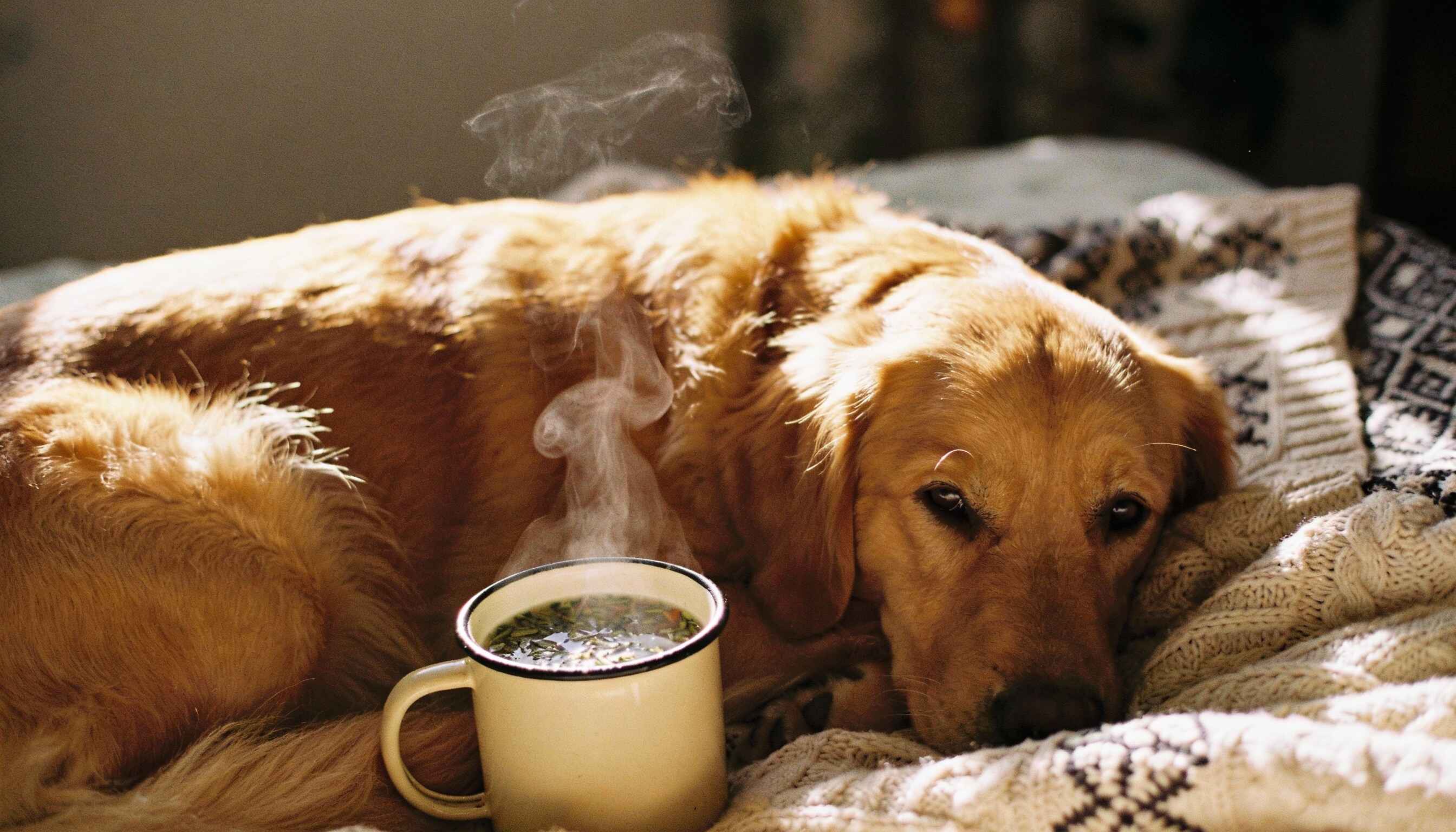
When your beloved dog experiences anxiety, finding safe, effective solutions becomes a top priority. Home remedies for dog anxiety offer natural alternatives to pharmaceutical interventions, providing gentle relief without the side effects associated with prescription medications. Whether your dog suffers from separation anxiety, noise phobias, or general nervousness, natural calming for dogs has been used for generations and is increasingly supported by veterinary research.
This comprehensive guide explores proven home remedies for dog anxiety, from natural medicine for anxiety in dogs to behavioral techniques that address the root causes of canine stress. You'll discover dog anxiety medication natural alternatives, learn about natural anxiety cures for dogs, and understand how to implement natural remedies for canine anxiety safely and effectively. Let's explore the complete spectrum of natural anti anxiety for dogs options available to help your companion achieve lasting calm and wellbeing.
Understanding Natural Calming for Dogs
Natural calming for dogs encompasses a holistic approach to anxiety management that works with your dog's physiology rather than against it. Unlike synthetic medications that may cause drowsiness, digestive upset, or behavioral changes, natural remedies support the body's innate ability to regulate stress responses. These approaches include herbal supplements, dietary modifications, environmental adjustments, and behavioral techniques that collectively promote relaxation and emotional balance.
The foundation of natural calming for dogs lies in understanding the canine nervous system. Dogs experience anxiety through the same neurochemical pathways as humans, involving neurotransmitters like serotonin, GABA, and dopamine. Natural remedies work by supporting healthy neurotransmitter function, reducing inflammation that can exacerbate anxiety, and providing nutrients essential for nervous system health. This multi-faceted approach addresses both the symptoms and underlying causes of canine anxiety.
Why Choose Natural Remedies?
Choosing home remedies for dog anxiety offers numerous advantages. Natural approaches typically produce fewer side effects, making them suitable for long-term use. They can be combined with behavioral training for enhanced effectiveness. Many natural remedies are more affordable than prescription medications and readily available without veterinary prescriptions. Additionally, natural approaches support overall health rather than just masking anxiety symptoms, promoting wellness throughout your dog's entire system.
Natural Medicine for Anxiety in Dogs: Overview
Natural medicine for anxiety in dogs draws from multiple healing traditions including Western herbalism, Traditional Chinese Medicine, Ayurveda, and modern nutritional science. This integrative approach recognizes that anxiety manifests differently in individual dogs and requires personalized treatment strategies. Some dogs respond best to herbal remedies, others to nutritional supplements, and many benefit from combinations of multiple natural interventions.
The most effective natural medicine for anxiety in dogs addresses three key areas: biochemical balance through herbs and supplements, environmental modifications that reduce triggers and promote calm, and behavioral interventions that build confidence and coping skills. By addressing all three dimensions, you create a comprehensive anxiety management program that produces lasting results rather than temporary symptom relief.
Evidence-Based Natural Approaches
Modern research increasingly validates traditional natural remedies. Studies demonstrate that certain herbs like valerian root and passionflower can be as effective as pharmaceutical anxiolytics for mild to moderate anxiety. Supplements like L-theanine show measurable effects on stress markers in dogs. Essential fatty acids support brain health and emotional regulation. While natural doesn't automatically mean scientifically proven, a growing body of veterinary research supports the use of specific natural interventions for canine anxiety.
Dog Anxiety Medication Natural Alternatives
For pet owners seeking dog anxiety medication natural alternatives, several options provide effective relief without prescription requirements. These alternatives work through various mechanisms to reduce anxiety symptoms, promote relaxation, and support emotional wellbeing. Understanding how each option works helps you select the most appropriate remedies for your dog's specific anxiety presentation.
Herbal Anxiolytics
Herbal dog calming remedies function similarly to pharmaceutical anxiolytics but with gentler action. Valerian root increases GABA levels in the brain, producing calming effects comparable to benzodiazepines but without the risk of dependence. Passionflower also enhances GABA activity while reducing nervous system excitability. Chamomile contains apigenin, which binds to benzodiazepine receptors producing mild sedative effects. These herbs offer legitimate dog anxiety medication natural alternatives supported by both traditional use and modern research.
Amino Acid Supplements
Specific amino acids serve as building blocks for calming neurotransmitters, making them effective natural anxiety cures for dogs. L-theanine promotes relaxation without sedation by increasing GABA, serotonin, and dopamine production. L-tryptophan converts to serotonin, the mood-regulating neurotransmitter often targeted by prescription antidepressants. GABA supplements directly provide the brain's primary inhibitory neurotransmitter, though absorption and blood-brain barrier penetration vary. These amino acids represent science-backed dog anxiety medication natural alternatives.
CBD and Hemp Products
Cannabidiol (CBD) has emerged as a popular natural anti anxiety for dogs option. CBD interacts with the endocannabinoid system, which regulates stress responses, pain perception, and mood. Research indicates CBD can reduce anxiety-related behaviors including excessive barking, destructive behavior, trembling, and aggression. High-quality, third-party tested CBD products formulated specifically for pets provide a modern dog anxiety medication natural alternative. Start with low doses and increase gradually while monitoring your dog's response.
Natural Anxiety Cures for Dogs: Comprehensive List
Understanding the full range of natural anxiety cures for dogs empowers you to create a customized treatment plan. Different remedies work through distinct mechanisms, and combining approaches often produces superior results compared to using single interventions.
Top Herbal Remedies
Valerian root stands as one of the most potent dog herbal remedies for anxiety, particularly effective for noise phobias and acute anxiety episodes. Chamomile provides gentle, all-purpose calming suitable for daily use and mild anxiety. Passionflower reduces nervous tension and supports restful sleep. Lavender offers aromatic and oral anxiety relief with excellent safety profiles. Lemon balm calms hyperactivity and reduces stress-related digestive upset. Skullcap addresses nervous tension and muscle tension associated with anxiety. Each herb offers unique benefits as part of natural remedies for canine anxiety protocols.
Essential Supplements
Beyond herbs, specific supplements provide crucial support as anxious dog natural remedies. Omega-3 fatty acids from fish oil reduce inflammation and support neurotransmitter function. Magnesium supports nervous system health and promotes muscle relaxation. B-complex vitamins support stress resilience and energy production. Probiotics improve gut health, which increasingly appears connected to mental health through the gut-brain axis. Melatonin regulates sleep-wake cycles and provides gentle sedation for nighttime anxiety or noise phobias.
Flower Essences
Bach Rescue Remedy remains the most recognized flower essence for anxiety, combining five flower essences to address acute stress and panic. Rock Rose addresses terror and panic. Mimulus helps with known fears like thunderstorms. Aspen addresses vague, unknown anxieties. Cherry Plum helps dogs who seem to lose control when anxious. White Chestnut calms racing thoughts and obsessive behaviors. While flower essences work energetically rather than biochemically, many pet owners report significant benefits as part of herbal treatment for anxiety in dogs.
Natural Remedies for Canine Anxiety: Diet, Supplements, and Herbs
Comprehensive natural remedies for canine anxiety integrate dietary modifications, targeted supplementation, and herbal support. This multi-dimensional approach addresses nutritional deficiencies that may contribute to anxiety while providing active compounds that promote calm.
Anxiety-Reducing Diet Modifications
What your dog eats profoundly impacts their emotional state. Include tryptophan-rich proteins like turkey, chicken, and fish, which support serotonin production. Add complex carbohydrates like sweet potato and oatmeal that provide steady energy and support tryptophan absorption. Incorporate antioxidant-rich foods like blueberries, which protect brain cells from oxidative stress. Include bone broth for its amino acid content and calming properties. Avoid artificial additives, excessive sugar, and ingredients your dog may be sensitive to, as food sensitivities can manifest as anxiety behaviors.
Strategic Supplement Protocol
A strategic supplement regimen for natural remedies for canine anxiety might include: daily omega-3 fatty acids for foundational brain health support, L-theanine given 1-2 times daily for ongoing anxiety management, CBD oil administered according to weight-based dosing for moderate anxiety, melatonin given before anticipated stress or at bedtime for sleep and acute anxiety, and a high-quality probiotic to support gut health and the gut-brain connection. This layered approach addresses anxiety from multiple physiological angles.
Herbal Formulation Strategies
When using dog herbal remedies for anxiety, combining herbs often produces synergistic effects superior to single-herb protocols. A comprehensive herbal formula might include valerian for acute calming, chamomile for gentle daily support, passionflower to enhance GABA activity, lemon balm for digestive and nervous system support, and lavender for its aromatherapeutic and internal calming properties. Work with a holistic veterinarian to create customized herbal blends appropriate for your dog's specific needs and health status.
Natural Anti Anxiety for Dogs: Behavioral Methods
While supplements and herbs provide biochemical support, behavioral interventions represent crucial natural anti anxiety for dogs strategies. These techniques address anxiety's psychological and environmental components, building your dog's confidence and coping abilities.
Desensitization and Counter-Conditioning
Desensitization gradually exposes dogs to anxiety triggers at low intensities, building tolerance over time. Counter-conditioning pairs triggers with positive experiences, changing emotional responses. Together, these techniques form the foundation of behavioral natural anti anxiety for dogs approaches. For thunder phobia, play recorded thunder at barely audible volumes while engaging in fun activities, gradually increasing volume over weeks or months. For separation anxiety, practice brief departures paired with special treats, extending duration as your dog becomes comfortable.
Environmental Enrichment
A stimulating environment reduces anxiety by preventing boredom and providing appropriate outlets for energy. Provide puzzle toys that challenge your dog mentally. Rotate toys regularly to maintain novelty and interest. Create safe spaces where your dog can retreat when feeling overwhelmed. Use calming music or white noise to mask triggering sounds. Ensure adequate daily exercise appropriate for your dog's age, breed, and health status. These environmental modifications serve as essential anxious dog natural remedies.
Stress Reduction Techniques
Specific techniques actively reduce stress responses. Canine massage lowers cortisol while increasing oxytocin and endorphins. TTouch, a specialized touch therapy, has demonstrated effectiveness for anxiety reduction. Anxiety wraps or thunder shirts apply gentle pressure that calms many anxious dogs. Breathing exercises where you practice slow, deep breathing near your anxious dog can help regulate their breathing and nervous system. These hands-on approaches complement supplement and herbal natural anti anxiety for dogs strategies.
Dog Herbal Remedies for Anxiety: Chamomile, Valerian, and More
Let's examine specific dog herbal remedies for anxiety in detail, including mechanisms of action, appropriate usage, and safety considerations for the most effective herbs.
Chamomile: The Gentle All-Purpose Calmer
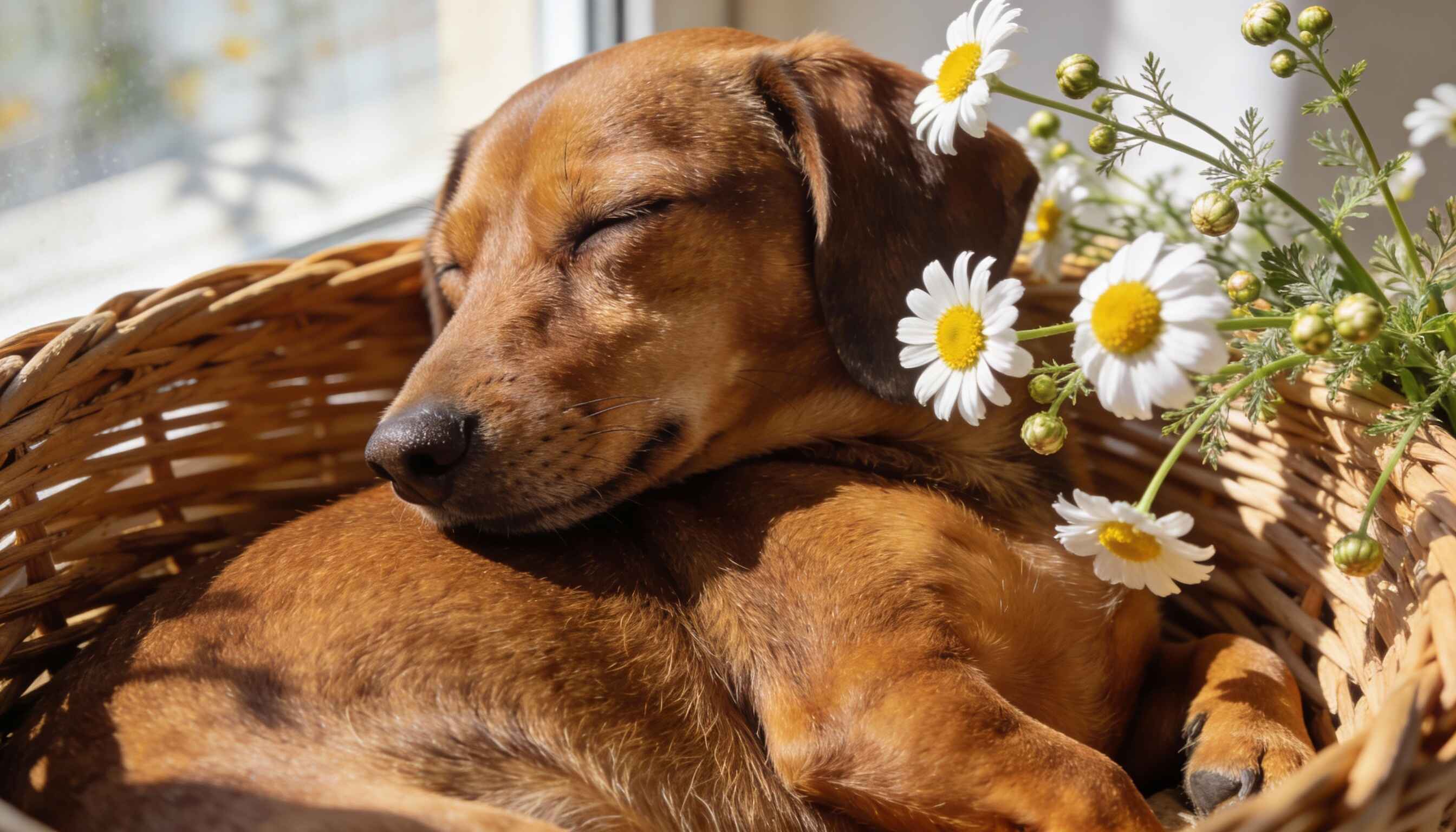
Chamomile (Matricaria recutita) contains apigenin and other flavonoids that bind to benzodiazepine receptors in the brain, producing mild sedative and anti-anxiety effects. It's exceptionally safe, making it ideal for long-term use as part of herbal treatment for anxiety in dogs. Brew chamomile tea using 1-2 teaspoons of dried flowers per cup of water, steep for 10 minutes, cool completely, and add small amounts to your dog's food or water. Alternatively, use alcohol-free glycerin-based tinctures at 0.25-0.5 ml per 30 pounds of body weight. Chamomile also supports digestive health, beneficial since anxiety often manifests as gastrointestinal upset.
Valerian Root: Powerful Natural Sedative
Valerian (Valeriana officinalis) ranks among the most effective dog herbal remedies for anxiety, particularly for acute anxiety, noise phobias, and sleep disturbances. Valerian increases GABA levels in the brain through multiple mechanisms, producing calming effects similar to benzodiazepine medications but without dependency risks. The herb has a strong, pungent odor that some dogs find off-putting, though most accept it when mixed with food. Give valerian 1-2 hours before anticipated stressful events. Typical dosing ranges from 150-300 mg for small dogs to 600-1200 mg for large breeds, but consult your veterinarian for specific recommendations.
Passionflower: The Nervous System Soother
Passionflower (Passiflora incarnata) reduces anxiety without significant sedation, making it excellent for daytime use as part of herbal dog calming remedies. Research demonstrates passionflower's effectiveness for generalized anxiety, with some studies showing comparable results to pharmaceutical anxiolytics. Passionflower works by modulating GABA receptors and reducing nervous system excitability. It's particularly helpful for dogs with separation anxiety or those who are chronically nervous. Use standardized extracts according to manufacturer instructions, typically 0.5-1 ml of tincture per 30 pounds of body weight, divided into two daily doses.
Lavender: Aromatic and Internal Calming
Lavender (Lavandula angustifolia) provides dual-action anxiety relief through aromatherapy and oral supplementation. The scent of lavender activates olfactory pathways that reduce stress responses, lower heart rate, and promote relaxation. Internally, lavender supports GABA activity and reduces nervous system excitability. Use pet-safe lavender essential oil in diffusers (never apply undiluted oils directly to skin), add dried lavender to bedding, or give oral lavender supplements formulated for pets. Lavender combines beautifully with other herbal treatment for anxiety in dogs approaches.
Lemon Balm: Mood and Digestive Support
Lemon balm (Melissa officinalis) offers gentle anxiety relief particularly suited to dogs whose stress manifests as hyperactivity or digestive upset. This herb increases GABA levels, supports calm mood, and soothes the digestive tract. Lemon balm's pleasant taste makes it easy to administer. Brew as tea or use glycerin tinctures. Lemon balm works synergistically with valerian and chamomile, making it an excellent component of combination herbal dog calming remedies. Typical dosing is 0.5-1 ml of tincture per 30 pounds of body weight.
Anxious Dog Natural Remedies Implementation
Successfully implementing anxious dog natural remedies requires a systematic approach that considers your dog's specific anxiety type, severity, triggers, and individual response to different interventions.
Assessment and Planning
Begin by thoroughly assessing your dog's anxiety. Identify specific triggers (separation, noises, strangers, other dogs, etc.). Note when anxiety occurs and how it manifests (barking, destruction, trembling, hiding, aggression, etc.). Determine anxiety severity from mild nervousness to severe panic. Consider your dog's overall health status and any concurrent medications. This assessment guides selection of appropriate anxious dog natural remedies and helps establish realistic expectations.
Starting Your Natural Remedy Protocol
When implementing home remedies for dog anxiety, start with one or two interventions rather than overwhelming your dog with multiple new supplements simultaneously. Begin with gentle, broad-spectrum remedies like chamomile or L-theanine before progressing to stronger options if needed. Start at the lower end of dosing ranges and increase gradually while monitoring effects. Keep a journal tracking anxiety episodes, remedies given, dosages, and observed effects. This systematic approach helps identify which natural remedies for canine anxiety work best for your individual dog.
Building a Comprehensive Protocol
The most effective anxious dog natural remedies protocols layer multiple approaches. A comprehensive program might include: daily omega-3 supplementation for foundational support, regular calming herbs like chamomile or L-theanine for baseline anxiety management, acute remedies like valerian or CBD kept on hand for high-stress situations, environmental modifications including safe spaces and calming music, regular exercise and mental stimulation, and ongoing desensitization training. This multi-dimensional approach addresses anxiety from all angles.
Herbal Treatment for Anxiety in Dogs: Advanced Applications
Advanced applications of herbal treatment for anxiety in dogs involve customized formulations, targeted timing, and sophisticated combination strategies that maximize effectiveness while minimizing side effects.
Customized Herbal Formulations
Work with a holistic veterinarian or veterinary herbalist to create customized blends addressing your dog's unique needs. For noise phobia, combine valerian for acute sedation, passionflower for nervous system support, and chamomile for gentle background calming. For separation anxiety, blend passionflower for sustained anxiety reduction, lemon balm for emotional balance, and skullcap for nervous tension. For generalized anxiety, combine chamomile for gentle all-day calming, ashwagandha for stress resilience, and holy basil for adaptogenic support. Custom formulations provide targeted herbal treatment for anxiety in dogs.
Strategic Timing and Dosing
Optimize effectiveness by timing herb administration strategically. Give fast-acting herbs like valerian 1-2 hours before anticipated stress. Administer daily herbs like chamomile or passionflower at the same times each day to maintain steady blood levels. For separation anxiety, give herbs 30-60 minutes before departures. For nighttime anxiety, administer evening doses with dinner. Split daily doses when possible to maintain more consistent effects. Strategic timing transforms good herbal dog calming remedies into highly effective interventions.
Cycling and Rotation Strategies
Some herbalists recommend cycling herbs to prevent tolerance and maintain effectiveness. Use a primary formula for several weeks, then rotate to a different combination while maintaining similar effects. This approach may prevent the diminished response some dogs develop with long-term single-herb use. Alternatively, use gentle herbs like chamomile continuously while reserving stronger options like valerian for acute situations. These sophisticated strategies optimize long-term herbal treatment for anxiety in dogs.
Herbal Dog Calming Remedies: Recipes and Formulations
Creating your own herbal dog calming remedies allows customization and cost savings. Here are safe, effective recipes using readily available ingredients.
Calming Herbal Tea Blend
Combine equal parts dried chamomile flowers, lemon balm leaves, and passionflower. Store in an airtight container. To prepare, use 1-2 teaspoons of blend per cup of boiling water, steep 10-15 minutes, strain, and cool completely. Add small amounts to your dog's food or water based on size: 1-2 tablespoons for small dogs, 2-4 tablespoons for medium dogs, 4-6 tablespoons for large dogs. This gentle blend provides daily anxiety support as part of natural remedies for canine anxiety.
Anxiety-Relief Treat Recipe
Create calming treats your dog will eagerly consume. Mix 1 cup oat flour, 1/4 cup chamomile tea (cooled), 2 tablespoons coconut oil, 1 tablespoon ground flaxseed, and 1/4 cup turkey or chicken puree. Add 1/2 teaspoon valerian powder for stronger effects. Form small balls, flatten slightly, and bake at 325 degrees F for 15-20 minutes. These treats combine calming herbs with anxiety-reducing ingredients like turkey (high in tryptophan) and omega-3 rich flaxseed. Store refrigerated for up to one week or freeze for longer storage.
Calming Aromatherapy Spray
Create a calming environment spray using 2 oz distilled water, 1 oz witch hazel, 10 drops lavender essential oil, and 5 drops chamomile essential oil. Combine in spray bottle and shake well before each use. Lightly mist your dog's bedding, crate, or safe space (never spray directly on your dog). This aromatic approach complements oral herbal dog calming remedies, engaging your dog's powerful sense of smell to promote relaxation.
When to Use Natural vs Prescription Medications
Understanding when home remedies for dog anxiety are appropriate versus when prescription medications are necessary ensures your dog receives optimal care.
Ideal Situations for Natural Remedies
Natural approaches work best for mild to moderate anxiety that doesn't significantly impair quality of life. They're excellent for situational anxiety with identifiable triggers like occasional thunderstorms. Natural remedies are appropriate when you can combine them with behavior modification training. They're ideal for long-term anxiety management where you want to avoid prescription medication side effects. Natural anti anxiety for dogs options also work well as adjuncts to prescription medications, potentially allowing lower pharmaceutical doses.
When Prescription Medications Are Warranted
Severe anxiety that causes self-harm, aggression, or extreme distress requires veterinary intervention. Anxiety that significantly impairs your dog's quality of life or your household's functioning warrants professional treatment. When natural remedies don't provide adequate relief after 4-8 weeks of consistent use, prescription options should be considered. Panic disorders or anxiety with compulsive behaviors often need pharmaceutical intervention. Remember that using prescription medications doesn't mean abandoning natural approaches—many dogs benefit from combining both.
Integrative Approaches
The most effective anxiety treatment often integrates natural and conventional approaches. A dog might take prescription medication for baseline anxiety control while using natural remedies for situational spikes. Prescription medications can stabilize severe anxiety sufficiently to make behavior modification training possible, at which point natural remedies may eventually replace pharmaceuticals. Work closely with a veterinarian open to integrative care to create comprehensive treatment plans combining the best of both approaches.
Safety Considerations for Natural Remedies
While generally safer than prescription medications, natural remedies for canine anxiety require responsible use and awareness of potential risks.
Herb-Drug Interactions
Some herbs interact with medications. St. John's Wort interacts with numerous drugs and should be avoided in dogs on medication. Valerian may potentiate sedatives or anesthetics—discontinue several days before surgery. Chamomile may interact with blood thinners. Kava should be avoided due to potential liver toxicity. Always inform your veterinarian about all supplements and herbs your dog receives, especially before surgeries or when starting new medications.
Quality and Purity Concerns
Supplement quality varies dramatically between brands. Choose products from companies that provide third-party testing certificates of analysis. Look for organic herbs to avoid pesticide residues. Avoid products with artificial additives, fillers, or ingredients you don't recognize. For CBD products, verify they contain less than 0.3% THC and are specifically formulated for pets. Poor quality supplements may be ineffective or potentially harmful.
Appropriate Dosing
While natural, herbs are not risk-free. Follow dosing guidelines carefully based on your dog's weight. Start at the lower end of recommended ranges and increase gradually. Watch for side effects including excessive sedation, digestive upset, or behavioral changes. Some herbs are not appropriate for pregnant or nursing dogs. Certain herbs may be contraindicated in dogs with specific health conditions. Consult with a holistic veterinarian to ensure appropriate dosing for your dog's individual situation.
Signs of Adverse Reactions
Discontinue any remedy if your dog develops vomiting, diarrhea, excessive sedation, loss of coordination, or behavioral changes. While rare with properly dosed natural remedies, allergic reactions can occur. Watch for itching, hives, facial swelling, or difficulty breathing. If you suspect an adverse reaction, stop the supplement immediately and contact your veterinarian. Report adverse reactions to the product manufacturer and consider filing a report with the FDA's Safety Reporting Portal.
Key Takeaways
- Home remedies for dog anxiety offer safe, effective alternatives to prescription medications with fewer side effects
- Natural calming for dogs includes herbs, supplements, dietary modifications, and behavioral techniques
- Effective dog herbal remedies for anxiety include chamomile, valerian, passionflower, and lavender
- Dog anxiety medication natural alternatives like L-theanine, CBD oil, and omega-3 fatty acids provide science-backed relief
- Combining multiple natural remedies for canine anxiety produces better results than single interventions
- Behavioral approaches including desensitization and environmental enrichment are essential components of natural anti anxiety for dogs strategies
- Strategic timing, appropriate dosing, and quality supplements maximize effectiveness of herbal treatment for anxiety in dogs
- Always consult a veterinarian before starting natural remedies, especially if your dog takes medications
- Severe anxiety may require prescription medications combined with natural approaches for optimal results
Related Articles
- Dog Tranquilizer Over the Counter: Safe Options for Anxiety Relief
- How to Get a Scared Dog to Come to You: Building Trust and Confidence
- Calming Chews for Dogs Anxiety: Complete Guide to Effectiveness and Safety
- What Can I Give My Dog for Car Anxiety: Natural and OTC Solutions
- Homeopathic Remedies for Dog Separation Anxiety: Complete Treatment Guide