
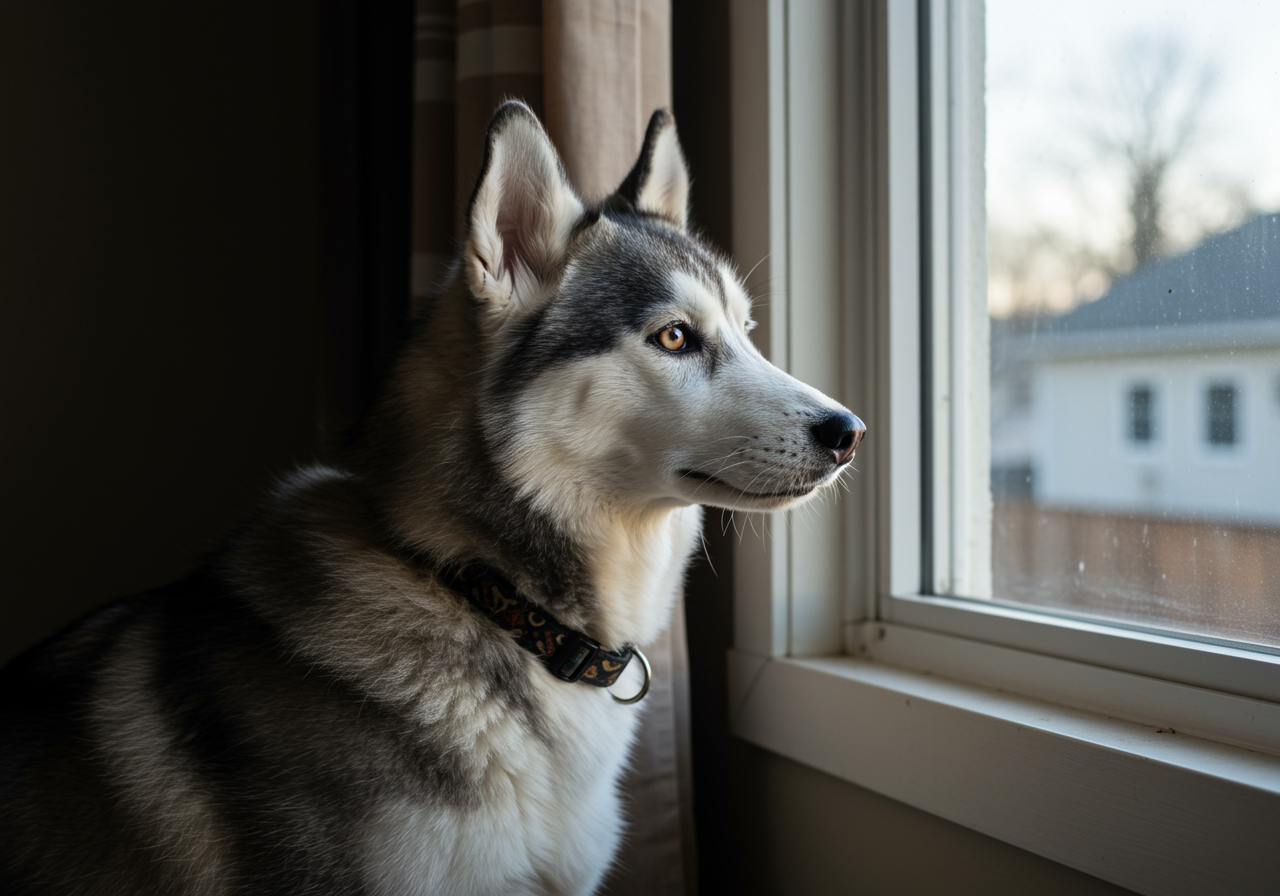
One of the most common questions dog owners ask is: "How long can a dog be left alone?" Whether you work full-time, have occasional commitments, or are planning your daily routine around a new dog, understanding safe alone-time limits is crucial for your dog's physical and emotional wellbeing. The answer isn't one-size-fits-all—how long dogs can stay home alone depends on age, breed, size, health, and individual temperament.
This comprehensive guide provides expert guidelines on how long you can leave a dog alone based on their life stage, explores breed and size considerations, addresses the challenge of leaving your dog home alone while at work, and offers practical solutions for working dog owners. Understanding these guidelines helps you make informed decisions that support your dog's health and happiness while maintaining your lifestyle.
How Long Can Dogs Stay Home Alone? The General Guidelines
Before diving into specific circumstances, it's important to understand the general framework for how long a dog can be home alone. These guidelines are starting points that you'll then adjust based on your individual dog's characteristics.
The Basic Rule for Adult Dogs
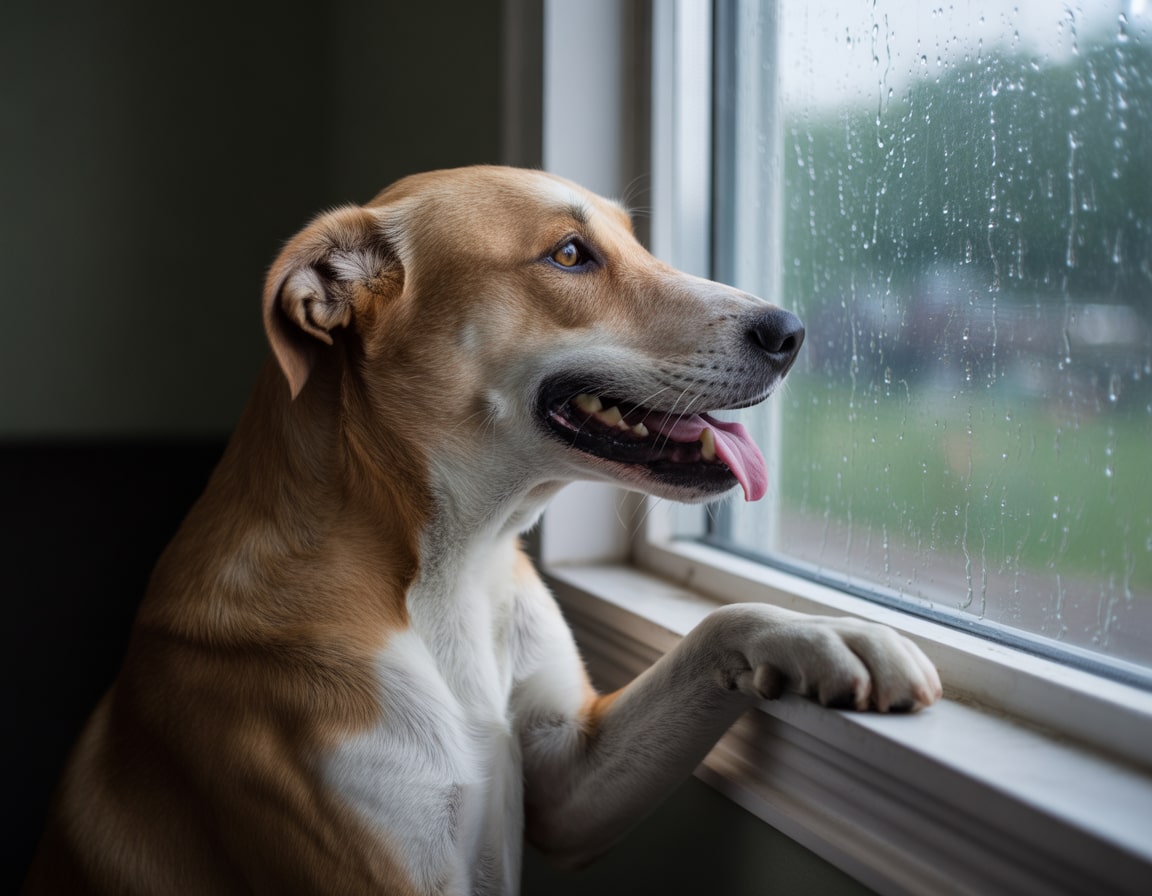
Most veterinarians and animal behaviorists agree that adult dogs (1-7 years old) can be left alone for approximately 6-8 hours maximum. This timeframe aligns with a typical workday and represents what most adult dogs can physically handle in terms of bladder control and emotional tolerance. However, "can" doesn't mean "ideal"—just because dogs can hold their bladder for 8 hours doesn't mean this is optimal for their wellbeing.
The 6-8 hour guideline assumes your dog is healthy, properly exercised before and after, mentally stimulated, and has been gradually trained to handle alone time. Dogs who lack these conditions may struggle with even shorter durations. Additionally, this represents the maximum for a typical day, not a recommendation for regular practice. Most dogs thrive with shorter alone periods or midday breaks when possible.
Why These Limits Exist
The limits on how long dogs can stay home alone aren't arbitrary—they're based on biological and psychological factors. Bladder control is primary; even adult dogs have limits to how long they can comfortably hold urine, and regularly forcing them to exceed this creates discomfort and potential health issues. Emotional wellbeing matters too; dogs are social animals who need interaction, stimulation, and companionship. Extended isolation can lead to anxiety, depression, and behavioral problems.
Physical needs beyond elimination also factor in. Dogs need water access, comfortable temperature, and safety from environmental hazards. Long periods alone increase risks if something goes wrong—a water bowl tips over, heating or cooling systems fail, or medical emergencies occur. Finally, mental stimulation needs mean that even dogs who can physically handle long alone periods may become bored, which manifests as destructive behavior or anxiety.
How Long Can a Dog Be Left Alone by Age? Life Stage Guidelines
Age dramatically impacts how long you should leave a dog alone. Puppies, adult dogs, and seniors all have different capacities and needs that require age-appropriate approaches.
Puppies: The Most Restrictive Guidelines
Puppies require the most frequent attention and shortest alone periods. Their bladder control is limited, their emotional resilience is developing, and they need regular interaction for proper socialization and training. Here are age-specific guidelines for how long you can leave a dog alone during puppyhood:
- 8-10 weeks: Maximum 30-60 minutes. Puppies this young can hold their bladder for only 1-2 hours and are just beginning to adjust to separation from littermates
- 10-12 weeks: Maximum 1-2 hours. Still very young with limited bladder control and high socialization needs
- 3-4 months: Maximum 2-4 hours. Bladder control improves to 3-4 hours, but socialization and training needs remain high
- 4-6 months: Maximum 4-5 hours. Increased capacity but still in critical developmental periods
- 6-12 months: Maximum 4-6 hours. Approaching adult capacity but still maturing emotionally
A common formula for puppy bladder control is: one hour per month of age, plus one. So a 3-month-old puppy can hold it for approximately 4 hours, a 4-month-old for 5 hours, and so on. However, this represents maximum physical capacity, not ideal duration. Aim for significantly less than maximum, especially during critical socialization and training periods.
For comprehensive guidance on puppies and alone time, read our detailed article on whether you can leave a puppy home alone at different ages.
Adult Dogs (1-7 Years): Peak Independence
Adult dogs in their prime have the greatest capacity for alone time. Most healthy adult dogs can handle 6-8 hours alone, though individual variation exists. Factors that influence adult dogs' tolerance include breed characteristics (working and sporting breeds often need more interaction), energy level (high-energy dogs struggle more with boredom), training history (dogs trained from puppyhood handle separation better), and general temperament (anxious dogs have lower tolerance).
Even within the adult category, not all ages are equal. A 2-year-old dog might still have adolescent energy and need more activity than a 5-year-old who's fully matured and calmer. Monitor your individual dog's behavior to determine their ideal alone-time duration rather than assuming all adults fit the same mold.
Senior Dogs (7+ Years): Changing Needs
As dogs age, their alone-time tolerance often decreases. Senior dogs typically shouldn't be left alone for more than 4-6 hours, even if they handled 8 hours comfortably when younger. Several factors drive this change. Decreased bladder control means many senior dogs need more frequent bathroom breaks, sometimes every 4-6 hours or less. Medical conditions common in older dogs—arthritis, diabetes, kidney disease—may require more frequent monitoring or medication schedules.
Cognitive changes also matter. Some senior dogs develop cognitive dysfunction syndrome (similar to dementia), causing confusion and anxiety when alone. Vision and hearing loss can make being alone more frightening as they can't see or hear you coming. Additionally, senior dogs may simply need more comfort and reassurance as they age, making extended isolation more stressful.
For detailed information on senior dog anxiety, read our article on senior dog separation anxiety.
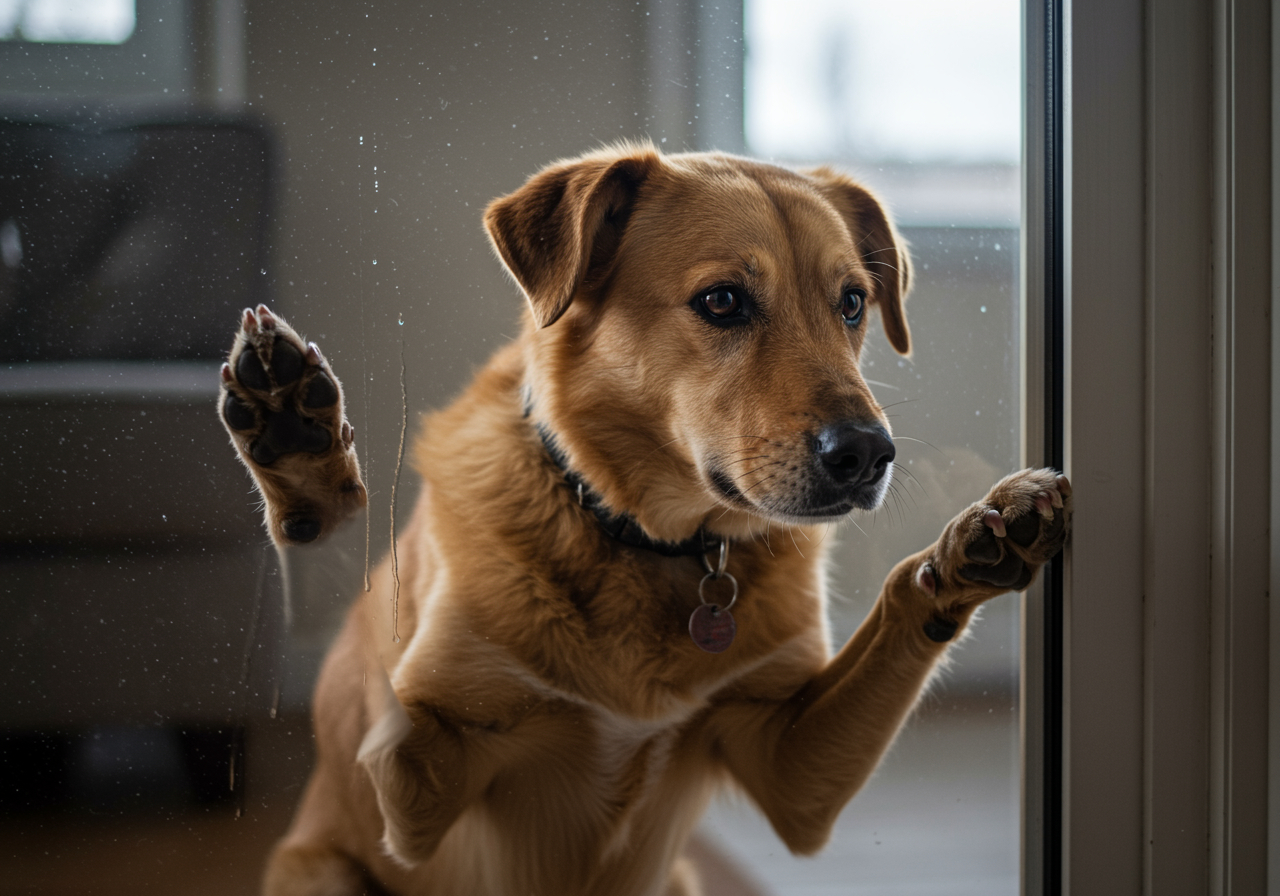
How Long Should You Leave a Dog Alone by Breed and Size?
Beyond age, breed characteristics and size significantly influence how long dogs can comfortably stay home alone. Understanding these factors helps you set realistic expectations for your specific dog.
Breed Considerations: Working Needs and Social Drive
Different breeds were developed for different purposes, creating varying needs for human interaction and activity. High-energy working and sporting breeds (Border Collies, Australian Shepherds, Labrador Retrievers, Golden Retrievers) typically struggle with long alone periods. They were bred to work closely with humans all day and need substantial exercise and mental stimulation. Even within the 6-8 hour adult guideline, these breeds do better with midday breaks or doggy daycare.
Companion breeds (Cavalier King Charles Spaniels, Bichon Frises, Havanese, Maltese) were literally bred for constant human companionship. Many struggle significantly with any extended alone time and are particularly prone to separation anxiety. These breeds often need more gradual training and shorter alone periods than average.
More independent breeds (many terriers, hounds, and guardian breeds like Akitas or Great Pyrenees) were bred to work independently from humans. They generally handle alone time better than clingier breeds. However, "better" is relative—even independent breeds shouldn't regularly exceed the 8-hour guideline.
For breed-specific guidance on separation anxiety in popular breeds, see our article on Golden Retriever separation anxiety.
Size-Related Considerations
Size influences how long a dog can be home alone primarily through bladder capacity and exercise needs. Small breeds (under 20 pounds) often have smaller bladders and may need more frequent bathroom breaks than large breeds. A Chihuahua might struggle to hold their bladder for 8 hours while a German Shepherd manages comfortably. However, small breeds often have lower exercise requirements, meaning they may settle more easily despite smaller bladders.
Large and giant breeds (over 50 pounds) typically have larger bladder capacity and can physically hold it longer. However, they often have higher exercise needs—an under-exercised Great Dane or Mastiff will be more destructive when bored than a tired small dog. Additionally, large breeds confined in spaces too small for them may experience more stress, affecting their tolerance for alone time.
Medium-sized dogs (20-50 pounds) often represent a middle ground, though tremendous individual variation exists within this broad category. Breed characteristics matter more than size alone—a 30-pound Border Collie has very different needs than a 30-pound Bulldog.
Individual Temperament Trumps Breed
While breed and size provide guidelines, individual temperament is ultimately most important. A typically clingy breed might produce an unusually independent individual, while an independent breed might have an anxious outlier. Observe your specific dog's behavior and adjust alone time accordingly rather than relying solely on breed generalizations.
Leaving Dog Home Alone While at Work: The 8+ Hour Challenge
Many dog owners face the reality of leaving their dog home alone while at work for 8+ hours daily. While this isn't ideal, it's workable with proper planning and management. Here's how to make it work for both you and your dog.
Is 8+ Hours Too Long?
The honest answer is: it depends. For some adult dogs who are healthy, well-exercised, properly trained, and provided with enrichment, 8 hours is manageable occasionally or even regularly. For others—puppies, seniors, dogs with medical conditions, anxious dogs, or high-energy breeds—8 hours is too long and causes genuine distress or health problems.
Even when physically manageable, 8+ hours alone daily isn't optimal for most dogs' emotional wellbeing. Dogs are social animals who benefit from interaction, exercise, and mental stimulation throughout the day. Regular 8+ hour stretches should be supplemented with midday solutions when possible, extensive exercise and interaction before and after work, and extra enrichment during alone time.
If you must leave your dog for 8+ hours, monitor closely for signs they're struggling: destructive behavior, house training accidents despite being reliably trained, excessive excitement or anxiety at your departures or returns, weight gain from lack of activity, or changes in behavior indicating depression or anxiety. These signs suggest your dog isn't coping well with current arrangements and needs adjustments.
Morning and Evening Routines for Working Owners
When you leave your dog home alone while at work, your morning and evening routines become crucial for their wellbeing. Successful routines maximize your time together and ensure your dog's needs are met despite your absence.
Morning routines should include waking early enough for substantial exercise—not a quick 5-minute potty break, but genuine activity. For high-energy dogs, this might mean a 45-60 minute walk or jog. For calmer dogs, 20-30 minutes of walking plus some training or play suffices. The goal is a dog who's physically tired and mentally engaged, ready to settle when you leave.
Feed breakfast early enough that your dog can fully digest and eliminate before you leave. Provide a final bathroom break immediately before departure. Set up enrichment items—puzzle feeders, frozen Kong toys, or long-lasting chews—to occupy your dog during the first hour or two alone. Make your actual departure calm and quick without dramatic goodbyes.
Evening routines should compensate for alone time with quality interaction. Immediately upon returning, take your dog for a bathroom break and exercise session. This isn't the time to decompress on the couch—your dog has been waiting all day for activity. Provide training, play, walks, or other engagement for at least 30-60 minutes. Only after your dog's needs are met should you settle down for the evening.
Feed dinner, provide more bathroom opportunities, and then offer evening enrichment or cuddle time. Maintain consistent schedules—dogs thrive on predictability, and knowing when to expect walks, meals, and interaction reduces anxiety.
Midday Solutions: Breaking Up the Day
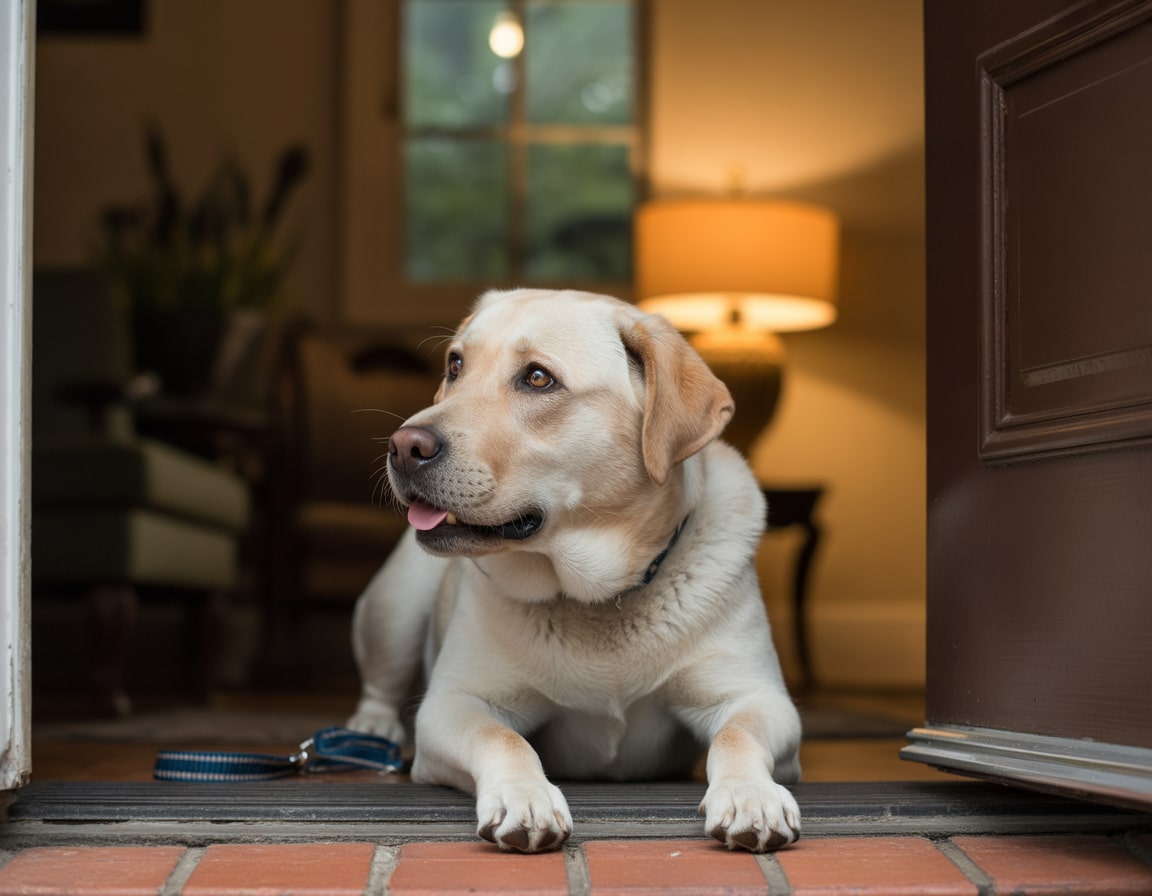
Even with excellent morning and evening routines, many dogs benefit enormously from midday breaks. Options for working owners include professional dog walkers who come once or twice during your workday for bathroom breaks, exercise, and socialization. Quality dog walkers provide 20-30 minute visits or longer walks, significantly improving your dog's day.
Pet sitters offer similar services, often with more flexibility in timing and activities. Some sitters will play with your dog in your yard, provide training sessions, or offer other enrichment beyond basic walks. Trusted neighbors, friends, or family members who can stop by during their lunch breaks provide free or lower-cost alternatives if you have reliable people available.
Doggy daycare provides full-day care where your dog plays with other dogs under supervision. This works excellently for social, friendly dogs but can be overwhelming for anxious or aggressive dogs. Many owners use daycare 2-3 days per week to break up the routine rather than daily enrollment.
Some progressive employers offer pet-friendly policies allowing dogs at work or work-from-home flexibility. If your workplace permits, bringing your dog to work occasionally or working from home a few days weekly significantly reduces their total alone time.
Signs Your Dog Is Alone Too Long
Regardless of guidelines, individual dogs vary in their tolerance for alone time. Watch for signs that your current arrangement exceeds your dog's capacity and needs adjustment.
Behavioral Indicators
Dogs who are alone too much show their distress through behavior changes. Destructive behavior—chewing furniture, scratching doors, destroying belongings—often indicates anxiety or boredom from excessive alone time. House training regression where previously reliable dogs have accidents suggests they're being asked to hold their bladder too long or are stressed.
Excessive excitement or anxiety around your departures and returns indicates your dog isn't coping well with separation. Following you everywhere when you're home, inability to settle, and signs of anxiety when you prepare to leave all suggest problems. Conversely, some dogs show depression symptoms—lethargy, decreased appetite, lack of interest in activities they previously enjoyed—from too much isolation.
If your dog cries when you leave or shows other separation distress, read our comprehensive guide on why dogs cry when you leave and how to address it.
Physical Signs
Physical symptoms also signal excessive alone time. Weight gain or loss can occur when dogs are too sedentary all day or too stressed to eat properly. Changes in coat quality, excessive shedding, or over-grooming behaviors might indicate stress. Digestive issues—diarrhea, vomiting, or changes in appetite—sometimes relate to anxiety about being alone.
In severe cases, dogs might injure themselves through escape attempts, excessive licking creating hot spots, or breaking teeth on crates or doors. Any self-injury requires immediate attention and indicates serious distress beyond what home management can address alone.
When to Reconsider Your Arrangement
If you observe multiple warning signs, honestly assess whether your current alone-time arrangement works for your dog. Sometimes lifestyle adjustments are necessary—different job arrangements, hiring help, or in extreme cases, rehoming to a situation where the dog receives more attention. This last option is painful but sometimes represents the most loving choice for a dog who genuinely cannot cope with extended alone time despite all interventions.
Before reaching that conclusion, consult with a veterinary behaviorist or certified dog trainer who specializes in separation anxiety. Professional guidance often identifies solutions you haven't considered. For comprehensive strategies, see our article on how to help dogs with separation anxiety.
Creating an Optimal Environment for Dogs Home Alone
How you set up your dog's environment dramatically impacts how well they tolerate being alone. Thoughtful preparation makes alone time safer and more comfortable.
Space Considerations: Crate vs. Room Freedom
Deciding whether to crate your dog or allow room/house freedom depends on your dog's training level, age, and behavior. Crates work well for dogs who view them positively and need the security of a den-like space. They prevent destructive behavior and house training accidents when you cannot supervise. However, crating for 8+ hours is the absolute maximum and isn't ideal—dogs need space to move, stretch, and change positions.
Room freedom works better for many adult dogs who are reliably house-trained and past destructive phases. Start with a single puppy-proofed room (like a kitchen or bedroom) before graduating to full house access. Use baby gates to restrict access to safe zones. Ensure the space is adequately sized for your dog to move comfortably—a Great Dane needs more space than a Chihuahua.
Some owners use exercise pens or dog-proofed areas that provide more space than crates but more restriction than full room access. This middle ground works well for dogs who aren't quite ready for complete freedom but struggle with crate confinement.
Essential Provisions
Regardless of space type, ensure your dog has access to fresh water. Use non-tip bowls or automatic water dispensers to prevent spills. Provide comfortable bedding appropriate for the season and temperature. In summer, consider cooling mats; in winter, ensure warm blankets. Maintain comfortable room temperature—68-75°F is generally ideal, but adjust based on your dog's coat type and preferences.
Leave safe toys and enrichment items. Rotate toys regularly so they remain interesting. Provide puzzle feeders, frozen Kong toys, or long-lasting chews that occupy your dog during alone time. Ensure anything left is safe for unsupervised chewing—no small pieces that could be swallowed, no strings or ribbons that could cause blockages.
Environmental Enrichment
Create a calm, engaging environment that supports your dog's comfort. Background noise like white noise machines, calming music designed for dogs, or leaving a TV or radio on low volume can mask sudden sounds that might startle your dog and provide a sense of company. However, don't make it too loud—the goal is gentle background sound, not overstimulation.
Some dogs benefit from having a view out a window to watch the world (if this doesn't trigger barking at passersby), while others do better with limited visual stimulation. Experiment to see what works for your dog. Pheromone diffusers like Adaptil release calming scents that can help anxious dogs. While not magic solutions, they provide subtle support for some dogs.
Safety Precautions
Ensure your dog's environment is safe for unsupervised time. Remove or secure anything dangerous—electrical cords, toxic plants, small objects that could be swallowed, cleaning products, medications, or human foods toxic to dogs. Check that your dog cannot access trash cans, cabinets containing hazards, or escape routes like open windows or poorly secured doors.
Consider installing a pet camera so you can monitor your dog remotely. This lets you verify they're safe, observe their behavior when alone, and in some cases, interact via two-way audio or treat dispensers. Knowing what your dog actually does when alone helps you identify problems and solutions.
Special Situations and Exceptions
Certain situations require adjustments to standard alone-time guidelines. Understanding these exceptions helps you accommodate your dog's unique needs.
Medical Conditions
Dogs with medical issues often cannot be left alone as long as healthy dogs. Diabetes requiring multiple daily insulin injections and careful monitoring means dogs shouldn't be alone for more than 4-6 hours maximum. Epilepsy poses risks if seizures occur when no one is present to help. Severe arthritis or mobility issues may require assistance getting to water or bathroom areas.
Urinary or digestive conditions that increase elimination frequency reduce how long dogs can comfortably hold their bladder or bowels. Post-surgical recovery often requires supervision to prevent the dog from bothering incisions or overexerting. Always consult your veterinarian about alone-time limits for dogs with medical conditions—their guidance should supersede general recommendations.
Newly Adopted or Rescued Dogs
Dogs new to your home need much shorter alone periods initially, regardless of their age. Even adult dogs require time to adjust, build trust, and learn your routine. Start with very brief absences—15-30 minutes—and gradually build up over weeks. Rescued dogs with unknown histories may have trauma related to being alone that requires patient, gradual desensitization.
Don't assume that because a dog is an adult, they're ready for 8-hour stretches immediately. Build up slowly, watching for signs of distress, and adjust based on your individual dog's response. For some rescued dogs, achieving comfort with 4-6 hours alone represents success, and that's perfectly acceptable.
Multi-Dog Households
Having multiple dogs can reduce separation anxiety for some dogs—they have company in each other and don't feel completely alone. However, this isn't guaranteed. Some dogs bond specifically with humans and gain little comfort from canine companions. Additionally, multiple dogs can feed off each other's anxiety, actually worsening the problem.
If one dog has separation anxiety, don't assume adding another dog will fix it. Address the anxiety directly through training. If you already have multiple dogs, monitor whether they're calmer together or if they escalate each other's stress. Separate them during alone time if they're making each other more anxious.
Long-Term Considerations and Lifestyle Planning
Successfully managing how long you leave a dog alone requires thinking beyond immediate circumstances to long-term lifestyle fit and planning.
Matching Dog to Lifestyle
Before getting a dog, honestly assess your lifestyle and choose a dog whose needs align with what you can provide. If you work 10-hour days with a long commute and cannot arrange midday help, a high-needs breed like a Border Collie or anxious breed like a Cavalier King Charles Spaniel isn't a good match. Consider more independent breeds or older, calmer dogs who handle alone time better.
This doesn't mean people with demanding jobs cannot have dogs—it means being realistic about what dogs are compatible with your life. A laid-back senior dog who needs two good walks daily but is otherwise content to sleep might thrive in your home, while a puppy or high-energy young dog would suffer.
Life Stage Planning
Your dog's needs change throughout their life, requiring adjustments to alone-time arrangements. Puppy stages require maximum flexibility—if you cannot be home frequently or afford pet sitters/daycare, wait until your life can accommodate a puppy's needs. Bringing home a puppy during vacation time or a work-from-home period gives you weeks together for bonding and training before returning to regular schedules.
As dogs age into senior years, prepare for potentially needing more frequent breaks or home care. Plan financially for dog walkers, pet sitters, or daycare as needed throughout your dog's life. These services are part of responsible dog ownership for many working owners.
Emergency Planning
Have backup plans for when you're unexpectedly delayed or cannot get home as scheduled. Identify trusted people who have keys and can care for your dog in emergencies. Consider pet insurance or emergency funds for unexpected veterinary costs that might require hospitalization. Know your options for last-minute dog care—drop-in pet sitting services, boarding facilities, or dog-loving friends who can help.
Conclusion: Finding the Right Balance for Your Dog
Understanding how long a dog can be left alone requires balancing general guidelines with your individual dog's needs. While adult dogs can physically handle 6-8 hours alone, this represents maximum capacity, not ideal conditions. Puppies need much more frequent attention, and senior dogs often require shorter alone periods than younger adults.
Breed, size, temperament, and health all influence how long dogs can stay home alone comfortably. High-energy working breeds, companion breeds, and anxious individuals typically struggle with extended alone time more than independent, calm dogs. Watch your specific dog for behavioral and physical signs they're struggling rather than assuming breed stereotypes guarantee certain tolerance levels.
For those leaving their dog home alone while at work, success comes from excellent morning and evening routines, midday breaks when possible, and environmental enrichment during alone time. How long should you leave a dog alone? As short as your lifestyle allows while still meeting everyone's needs. Even when your dog can handle 8 hours alone, providing midday breaks or limiting this to a few days weekly rather than daily improves their quality of life.
Ready to optimize your dog's alone time? Start by observing your dog's current behavior for signs of stress or contentment. If they're showing distress, shorten alone periods or add midday breaks. If they're thriving, maintain your current arrangement while staying alert for changes as they age. Remember, how long you can leave a dog alone isn't just about what they can physically endure—it's about supporting their emotional wellbeing and ensuring they live their happiest, healthiest life. For additional guidance on separation-related behaviors, explore our article on why dogs cry when you leave.
Key Takeaways
- Adult dogs can handle 6-8 hours alone maximum, but shorter is better for wellbeing
- Puppies need much more frequent attention: 30-60 minutes at 8 weeks, gradually increasing to 4-6 hours by 6 months
- Senior dogs often need more frequent breaks than younger adults due to decreased bladder control and cognitive changes
- Breed and temperament matter: working/sporting breeds and companion breeds typically struggle more than independent breeds
- Working owners can successfully have dogs with morning/evening exercise routines and midday breaks via walkers or daycare
- Watch for signs your dog is alone too long: destructive behavior, house training regression, excessive excitement/anxiety
- Create optimal environments with proper space, fresh water, comfortable bedding, and enrichment items
- Medical conditions, newly adopted dogs, and individual temperament may require adjustments to general guidelines