
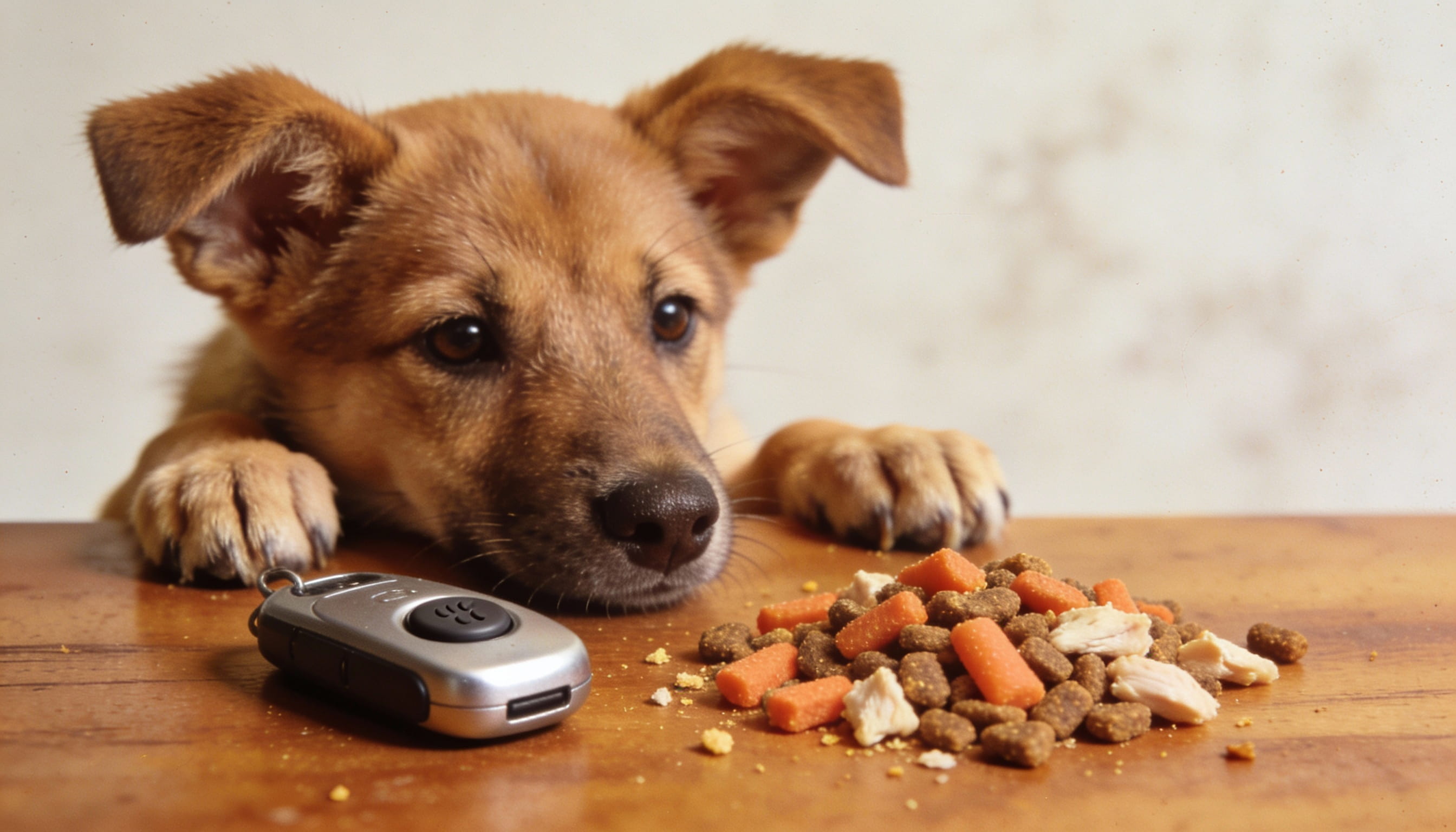
Key Takeaways
- Puppy barking is normal communication, not inherently problematic - the goal is control, not elimination
- Attention-seeking barking is the most common type and easiest to prevent with proper training
- Never reward barking with attention, even negative attention like "quiet!" or eye contact
- Teaching "speak" and "quiet" commands gives you control over vocalization
- Early intervention (8-16 weeks) prevents barking from becoming an entrenched habit
- Different types of barking require different training approaches for success
Understanding Why Puppies Bark
Before you can effectively discourage unwanted barking, you must understand that barking is a natural form of communication for dogs. Puppies bark for legitimate reasons, and our goal isn't to create a silent dog but rather a dog who barks appropriately and responds to "quiet" cues.
The Main Types of Puppy Barking
Attention-Seeking Barking: This is the most common type. Puppies learn that barking results in attention - whether that's being let out of a crate, getting playtime, or even negative attention like being told "no!" If barking has successfully gained your attention in the past, it will continue and escalate.
Demand Barking: Similar to attention-seeking but more specific - the puppy is demanding something particular: food, toys, access to another room, or to go outside. This often manifests as sharp, insistent barking directed at you.
Play and Excitement Barking: Many puppies bark during play or when excited about something fun. This is usually high-pitched and accompanied by play bows, tail wagging, and bouncy body language.
Alert Barking: Puppies bark to alert you to things they notice - people passing by, doorbells, other dogs, unusual sounds. This is an important natural behavior but can become excessive if not managed.
Fear or Anxiety Barking: Some puppies bark when scared or anxious. This barking is usually accompanied by fearful body language - tucked tail, crouching, backing away.
Frustration Barking: When puppies can't get to something they want (another dog behind a fence, a toy out of reach), they may bark in frustration.
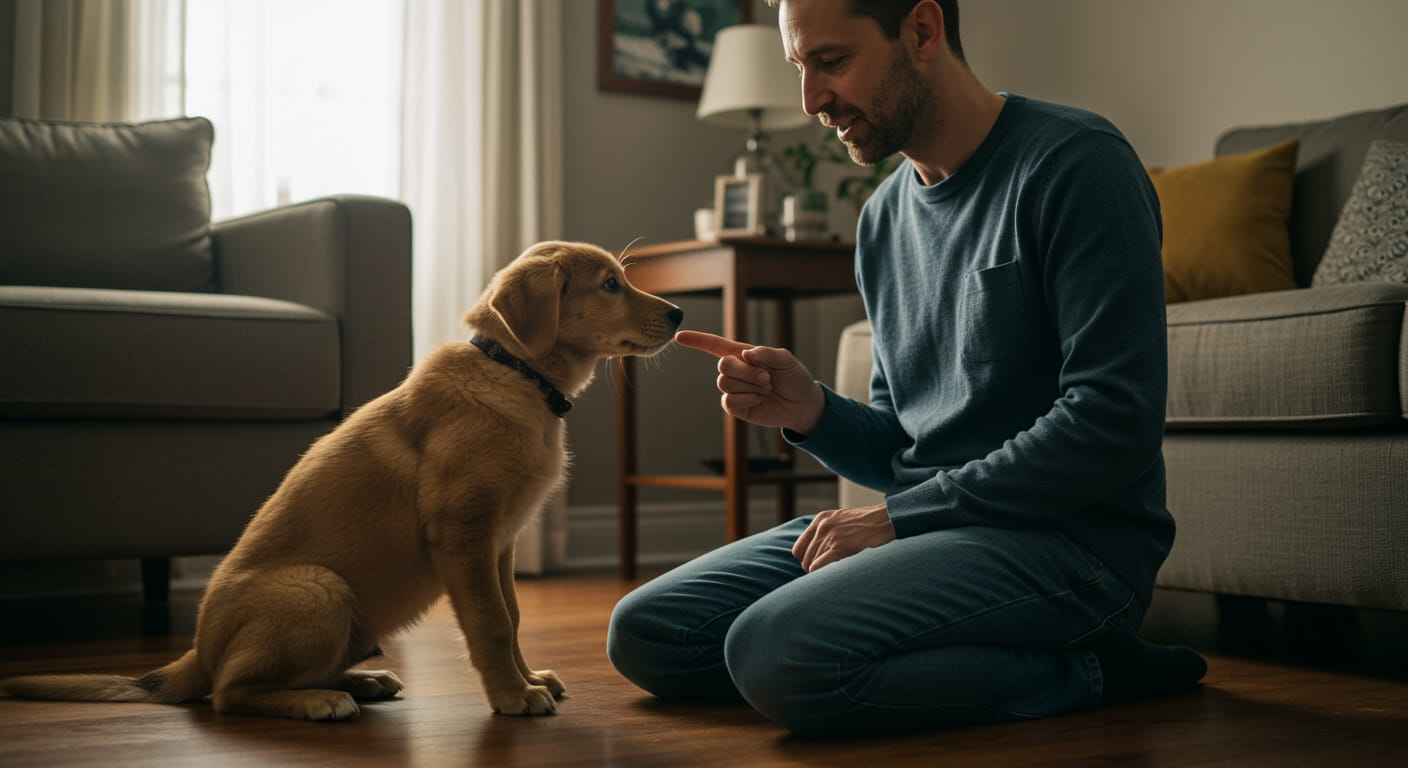
How to Stop Puppy Barking for Attention
Attention-seeking barking is both the most common and the most preventable type. The key principle: never reward barking with any form of attention.
The Foundation Rule: Zero Reinforcement
Any time your puppy barks for attention, you must become completely unresponsive:
- No eye contact: Don't even glance at your puppy
- No verbal response: Saying "quiet!" "stop!" or "no!" is still attention and reinforces barking
- No physical interaction: Don't touch, push away, or interact in any way
- No movement toward puppy: Even walking toward them to tell them to be quiet rewards the barking
This is extremely difficult for most owners because it feels wrong to ignore your puppy. However, consistency here is critical. If you give in "just this once," you've created a variable reinforcement schedule (the strongest form of reinforcement), making the barking even more persistent.
The 3-Second Quiet Rule
Once your puppy stops barking (even just to take a breath), you have a 3-second window to provide attention or whatever they wanted. This teaches that silence, not noise, gets results.
Example: Puppy barks to be let out of crate. You completely ignore all barking. Puppy pauses for 3 seconds. You immediately open the crate and praise calmly. If they start barking again before you reach the crate, you freeze until they're quiet again.
Initially, you might wait 5-10 minutes for that first pause. That's okay. Over time, your puppy will learn that quiet = getting what they want, and the barking duration will decrease dramatically.
Preventing Attention Barking Before It Starts
Prevention is easier than correction:
- Proactive Attention: Give your puppy attention frequently when they're quiet, so they don't need to bark to get it
- Predictable Routine: Feed, exercise, and interact at consistent times so your puppy doesn't need to demand attention
- Capture Quietness: Randomly reward your puppy with treats and attention when you notice them being quiet
- Meet Needs Preemptively: Don't wait for barking to let puppy out, provide water, or offer play - anticipate their needs
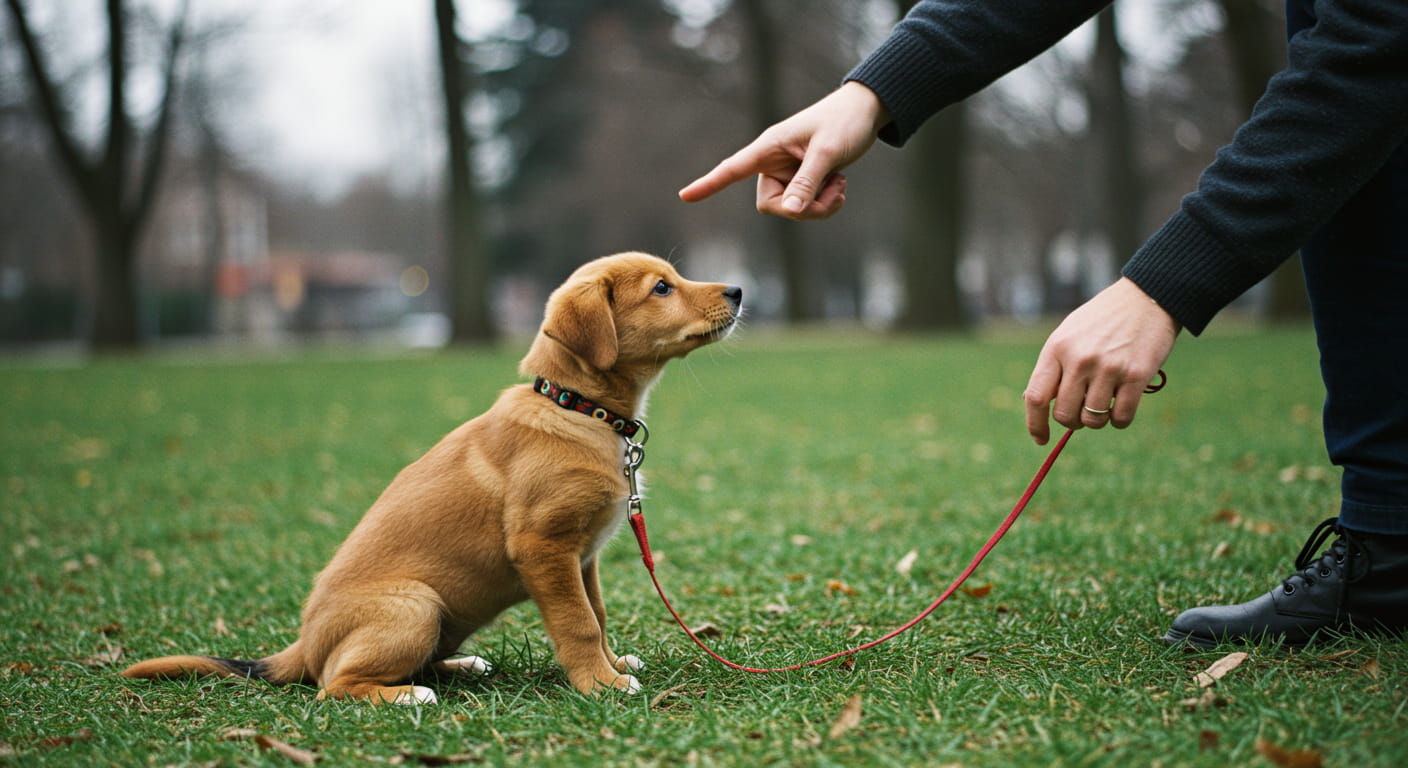
How to Train a Puppy Not to Bark: Teaching "Quiet" and "Speak"
Teaching formal commands for vocalization gives you control over when barking is appropriate.
Teaching "Speak" First
Counterintuitively, teaching your puppy to bark on command makes teaching "quiet" much easier. Here's how:
Step 1 - Capturing the Bark: Wait for your puppy to bark naturally (this might require creating a situation that usually triggers barking, like knocking on a door or showing a toy). The instant they bark, say "speak!" and immediately reward with a treat and praise.
Step 2 - Adding the Cue: After 20-30 repetitions over several days, your puppy will start to associate "speak" with barking. Begin saying "speak" just before you trigger the bark. Soon, the verbal cue alone will prompt barking.
Step 3 - Reinforcement: Practice 5-10 times daily in short sessions. Reward every successful "speak" response. Once reliable (80%+ success rate), you can move to teaching "quiet."
Teaching "Quiet"
Now that your puppy can bark on cue, you can teach them to stop on cue:
Method 1 - Cue After Natural Silence:
- Ask your puppy to "speak" and let them bark 2-3 times
- Stop rewarding and wait silently for them to naturally stop barking
- The instant they're quiet for 2 seconds, say "quiet!" and immediately reward heavily (3-5 treats in rapid succession)
- Repeat until your puppy anticipates the reward for stopping
- Gradually say "quiet" earlier - while they're still barking, then reward when they stop
Method 2 - Lure to Quiet:
- When your puppy is barking, hold a treat directly in front of their nose
- Most puppies will stop barking to sniff the treat
- The instant they're quiet, say "quiet!" and give the treat
- Repeat many times until they respond to "quiet" without needing to see the treat first
Generalizing the "Quiet" Command
Once your puppy understands "quiet" in training sessions, practice in progressively more challenging scenarios:
- During doorbell rings
- When visitors arrive
- When other dogs pass by
- During play when barking starts
- In the car or other new environments
Always reward compliance heavily, especially in the beginning. The goal is for "quiet" to mean "stop barking immediately and receive something wonderful."
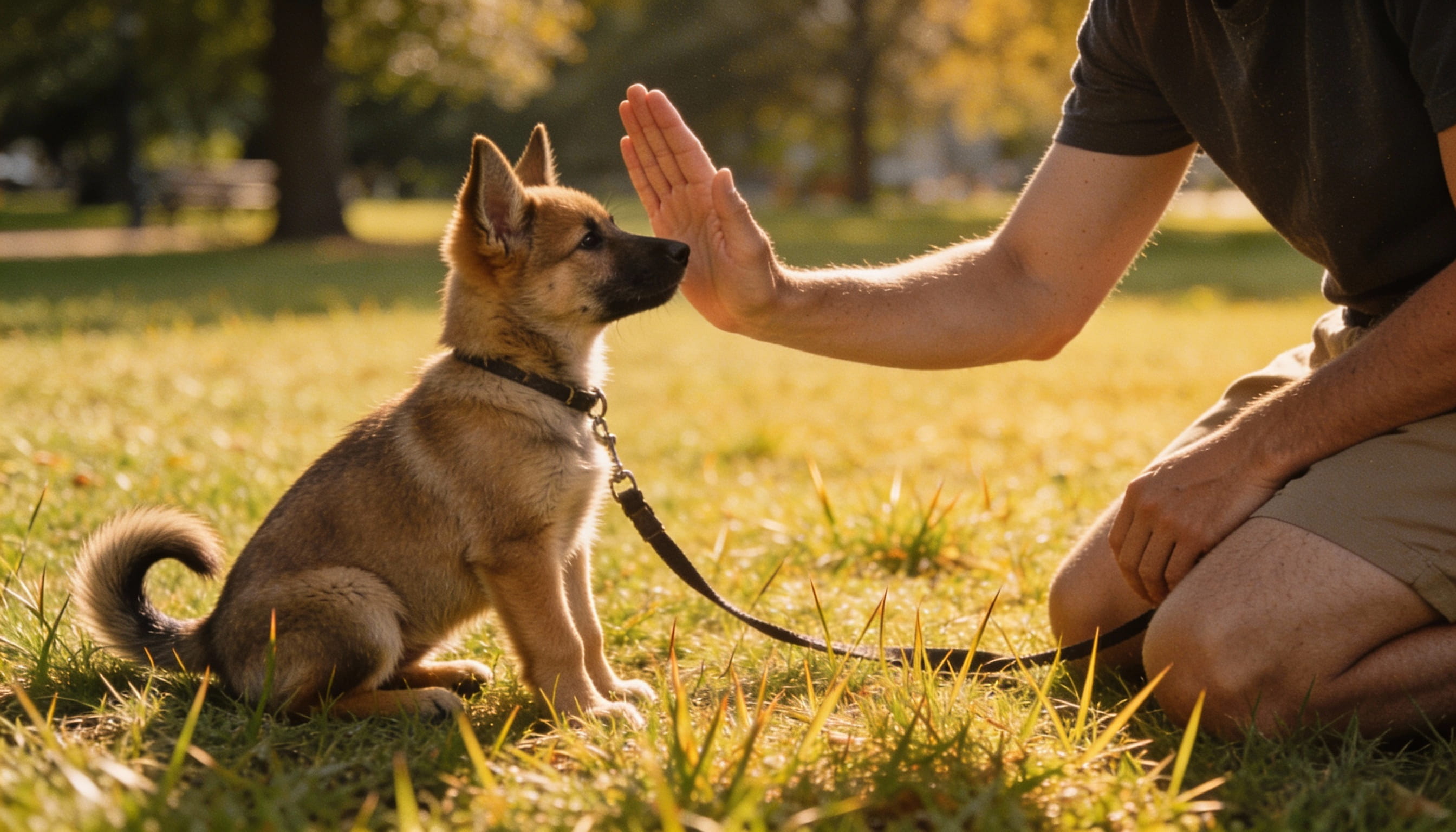
How to Control Puppy Barking in Specific Situations
Barking in the Crate
Crate barking is one of the most frustrating types for owners. The approach depends on the cause:
For Attention-Seeking Crate Barking:
- Never open the crate door while puppy is barking - this is critical
- Wait for even 2-3 seconds of silence, then immediately open the door
- If barking resumes as you approach, freeze and wait for silence again
- Ensure puppy has had bathroom break, exercise, and mental stimulation before crating
- Provide a stuffed Kong or long-lasting chew in the crate to occupy them
For Separation Distress Crate Barking: This requires gradual crate conditioning rather than simple "quiet" training. See our guide on stopping crate barking for detailed protocols.
Barking at the Door/Doorbell
This is natural alert barking but can become excessive:
- Allow 2-3 Alert Barks: This is natural and appropriate - your puppy is doing their "job" of notifying you
- Immediately Cue "Quiet": After those initial barks, say "quiet" and wait for compliance
- Reward Silence: The moment they stop, heavily reward
- Give Alternative Behavior: Ask for "sit" or send them to "place" (their bed) after they quiet down
- Practice with Setup: Have family members ring the doorbell repeatedly during training sessions so you can practice the quiet cue many times
Barking at Other Dogs (on Walks or Behind Fences)
Prevention Through Socialization: Properly socialized puppies (positive experiences with many different dogs between 8-16 weeks) are less likely to develop barking reactivity to other dogs.
Training Approach:
- Practice the "look at that" game - when puppy sees another dog at a distance, mark and reward for noticing without barking
- If they do bark, immediately increase distance until they can see the dog without reacting
- Reward heavily for any glances at other dogs that don't include barking
- Gradually decrease distance over many sessions as your puppy learns to stay quiet
For detailed reactive barking training, see our guide on stopping barking at other dogs.
Barking During Play
Some play barking is normal, but excessive barking during play indicates over-arousal:
- Implement Play Breaks: Every 2-3 minutes of active play, call a 30-second time-out where puppy must sit and calm before play resumes
- End Play When Barking Starts: If play barking begins, immediately stop playing and walk away. Resume only when puppy is quiet.
- Keep Play Moderate: Prevent your puppy from getting over-excited, which triggers barking. Calm play is better than frantic play.
Home Remedies and Management Strategies
Environmental Management
Sometimes the simplest solution is preventing access to triggers:
- Block Visual Triggers: If your puppy barks at people/animals passing by windows, use window film, close curtains, or rearrange furniture to block access
- White Noise: A fan, white noise machine, or soft music can mask outside sounds that trigger barking
- Adequate Exercise: A tired puppy barks less. Ensure age-appropriate exercise before periods when you need quiet
- Mental Stimulation: 15 minutes of training or puzzle toys can tire a puppy's brain and reduce barking from boredom
Natural Calming Aids
For puppies who bark from anxiety (not attention-seeking):
- Adaptil (DAP) Diffusers: Synthetic version of calming pheromones mother dogs produce
- Calming Music: Classical music or specifically designed dog relaxation music can reduce anxiety-related barking
- Comfort Items: A worn t-shirt with your scent, a heartbeat toy, or warm water bottle can soothe anxious puppies
- Routine and Predictability: Anxiety often stems from uncertainty - consistent daily routines reduce stress
What NOT to Use
Avoid these counterproductive or harmful methods:
- Bark Collars: Shock, citronella, or ultrasonic collars are inappropriate for puppies and can cause fear, anxiety, and aggression
- Yelling or Punishment: This adds stress and attention, often making barking worse
- Physical Corrections: Grabbing muzzle, shaking, or any physical punishment damages your relationship and doesn't address the cause
- Debarking Surgery: Ethically questionable, doesn't address the underlying issue, and can cause medical complications
How to Train an Older Dog to Stop Barking
If you've adopted an older puppy (6-12 months) with established barking habits, the same principles apply but require more patience:
- Expect Slower Progress: Habits that have been reinforced for months take longer to change than preventing them in young puppies
- Identify Reinforcement History: Figure out what has been rewarding the barking and eliminate those reinforcers completely
- Massive Reinforcement for Quiet: Reward quiet behavior 3-5 times more often than you would with a young puppy learning from scratch
- Consistent "Quiet" Training: Practice 10-15 times daily in various situations, never skipping a day
- Management During Extinction: Expect an "extinction burst" where barking temporarily gets worse before improving - remain consistent
Age-Specific Considerations
8-12 Weeks: Foundation Period
This is the ideal time to establish good habits:
- Focus on rewarding quietness rather than correcting barking
- Prevent attention-seeking barking from ever being successful
- Allow appropriate alert barking but teach "quiet" afterward
- Socialize extensively so barking at new things doesn't develop
3-6 Months: Adolescence Begins
Barking may increase during this period:
- Maintain consistency even as your puppy tests boundaries
- Increase exercise and mental stimulation as energy levels rise
- Continue socializing to prevent fear-based barking
- Reinforce "quiet" and "speak" commands daily
6-12 Months: Full Adolescence
This is often when barking becomes most problematic if not addressed earlier:
- Barking may be used to test boundaries - remain absolutely consistent
- Territorial and alert barking often increases - appropriate management is key
- Fear periods may cause new barking triggers - respond with support, not punishment
- Professional help may be beneficial if barking is severe
When to Seek Professional Help
Consult a certified professional dog trainer (CPDT-KA) if:
- Barking is accompanied by aggression, lunging, or snapping
- You've consistently applied these techniques for 4-6 weeks with no improvement
- Barking is causing serious problems (neighbor complaints, lease violations)
- The barking stems from severe anxiety or fear
- You're feeling overwhelmed or frustrated to the point it's affecting your bond with your puppy
Related Articles
Final Thoughts
Discouraging excessive barking in puppies is one of the most important early training investments you can make. The habits your puppy develops in the first 6 months often persist for life, making early intervention crucial.
Remember that the goal isn't a silent puppy - appropriate barking for alerts or communication is healthy and natural. What you're teaching is impulse control, the ability to "turn off" barking on cue, and alternative ways to communicate needs besides loud vocalization.
Consistency is the most important factor in success. Every time you accidentally reward barking by giving attention, letting them out, or providing what they want, you reinforce the behavior and make it harder to eliminate. Conversely, every time you wait for silence before responding to your puppy, you strengthen the lesson that quiet = getting what they want.
Be patient with yourself and your puppy. Changing behavior takes time, and setbacks are normal. Celebrate progress - if your puppy's barking decreased from 5 minutes to 2 minutes before quieting, that's success worth acknowledging. With consistent application of these techniques, you'll develop a dog who communicates appropriately and responds reliably to your cues.