
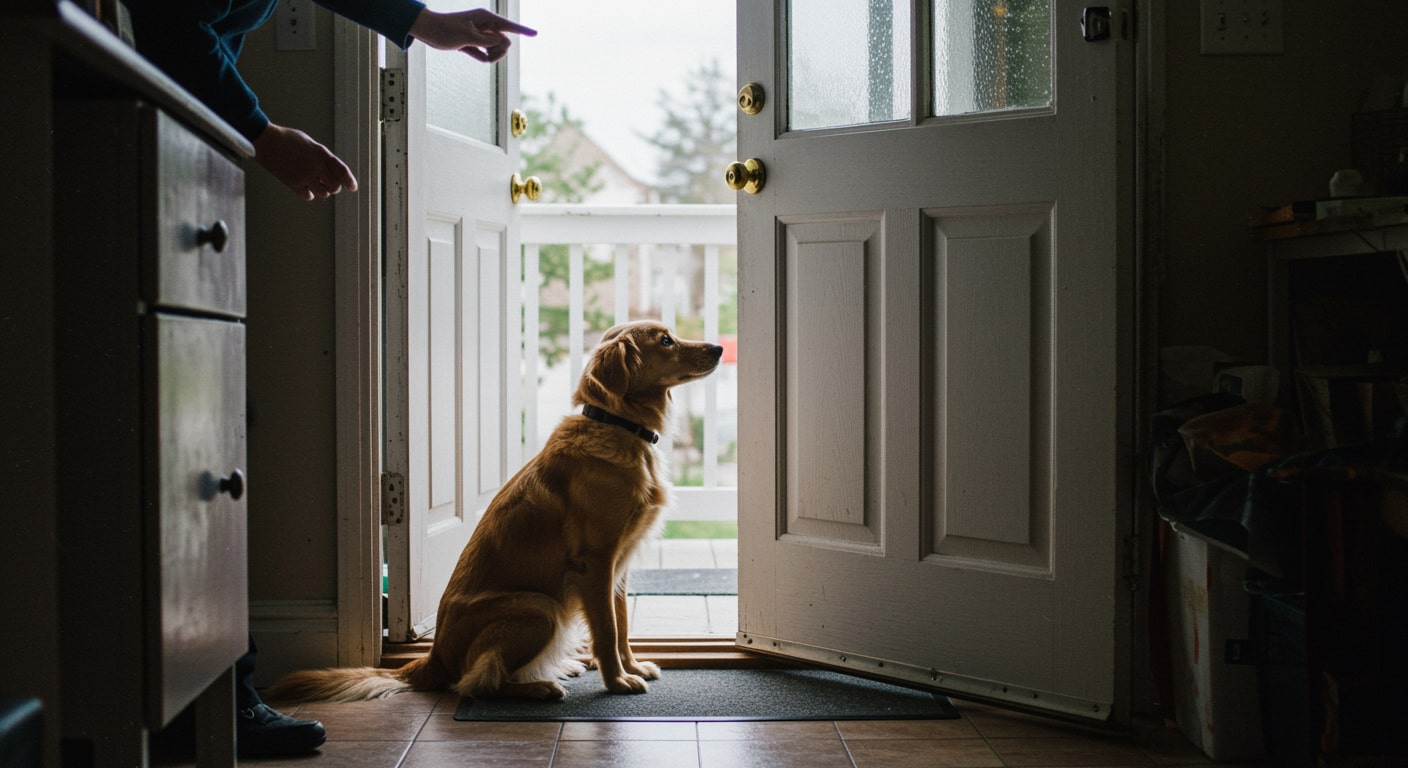
When your dog continues using the bathroom inside despite your best efforts, frustration can quickly lead to desperate measures. Many owners searching for how to train their dog not to poop in the house or how to stop puppies peeing and pooping in the house encounter advice about punishment, discipline, or correction. However, understanding how to get your dog to stop using the bathroom in the house requires recognizing a crucial truth: punishment-based approaches not only fail to solve the problem but often make it significantly worse.
This comprehensive guide addresses how to train dogs not to poop inside the house using positive, science-based methods that actually work. We'll explore why house soiling occurs, examine why searching for "how to punish dogs for pooping in house" or "how to discipline a dog for pooping in the house" leads you in the wrong direction, and provide effective alternatives that address the root causes rather than just punishing symptoms. Whether you're dealing with a puppy or adult dog, understanding proper training methods rather than punishment is essential for lasting success. This article complements our guides on working with a dog behaviorist for separation anxiety and our detailed resource on why your dog is pooping in the house.
Why Dogs Use the Bathroom Inside
Before implementing solutions, understanding why your dog eliminates indoors is essential. House soiling isn't spite, revenge, or dominance—it's communication that something is wrong.
Medical Causes
Medical issues are the first consideration when a dog eliminates inside. Urinary tract infections create urgent, uncontrollable needs to urinate. Gastrointestinal problems including parasites, inflammatory bowel disease, or food sensitivities cause diarrhea and urgency. Diabetes increases water consumption and urination frequency. Kidney disease affects bladder control. Cognitive dysfunction in senior dogs causes confusion about appropriate elimination locations. Medications including diuretics or steroids increase elimination frequency. Always rule out medical causes through veterinary examination before assuming behavioral issues.
Incomplete Housetraining
Many indoor elimination cases stem from gaps in basic training. Perhaps your dog was never fully housetrained in the first place. Maybe they learned not to eliminate in certain rooms but didn't generalize to the entire house. Some dogs understand outdoor elimination when supervised but don't apply this when left alone. Rescue dogs from shelter environments may have learned that eliminating in confined spaces is acceptable due to necessity. Identifying training gaps helps target interventions appropriately.
Anxiety and Stress
Separation anxiety commonly manifests through house soiling. Dogs experiencing panic when left alone may lose bladder and bowel control due to extreme stress. Fear of specific household areas, loud noises, or certain family members can trigger stress-related elimination. Changes in routine, new household members, moves, or other significant stressors can temporarily disrupt housetraining. Understanding the anxiety connection is crucial because punishing anxiety-driven elimination dramatically worsens both the anxiety and the soiling.
Insufficient Bathroom Opportunities
Sometimes the explanation is straightforward—your dog isn't getting adequate bathroom breaks. Expecting a dog to hold elimination for 10-12 hours while you work is physiologically unreasonable for most dogs. Puppies need bathroom breaks every few hours. Senior dogs may need more frequent opportunities. Dogs with medical conditions can't hold elimination as long as healthy young adults. Lack of opportunity isn't a training problem—it's a management problem requiring schedule adjustments.
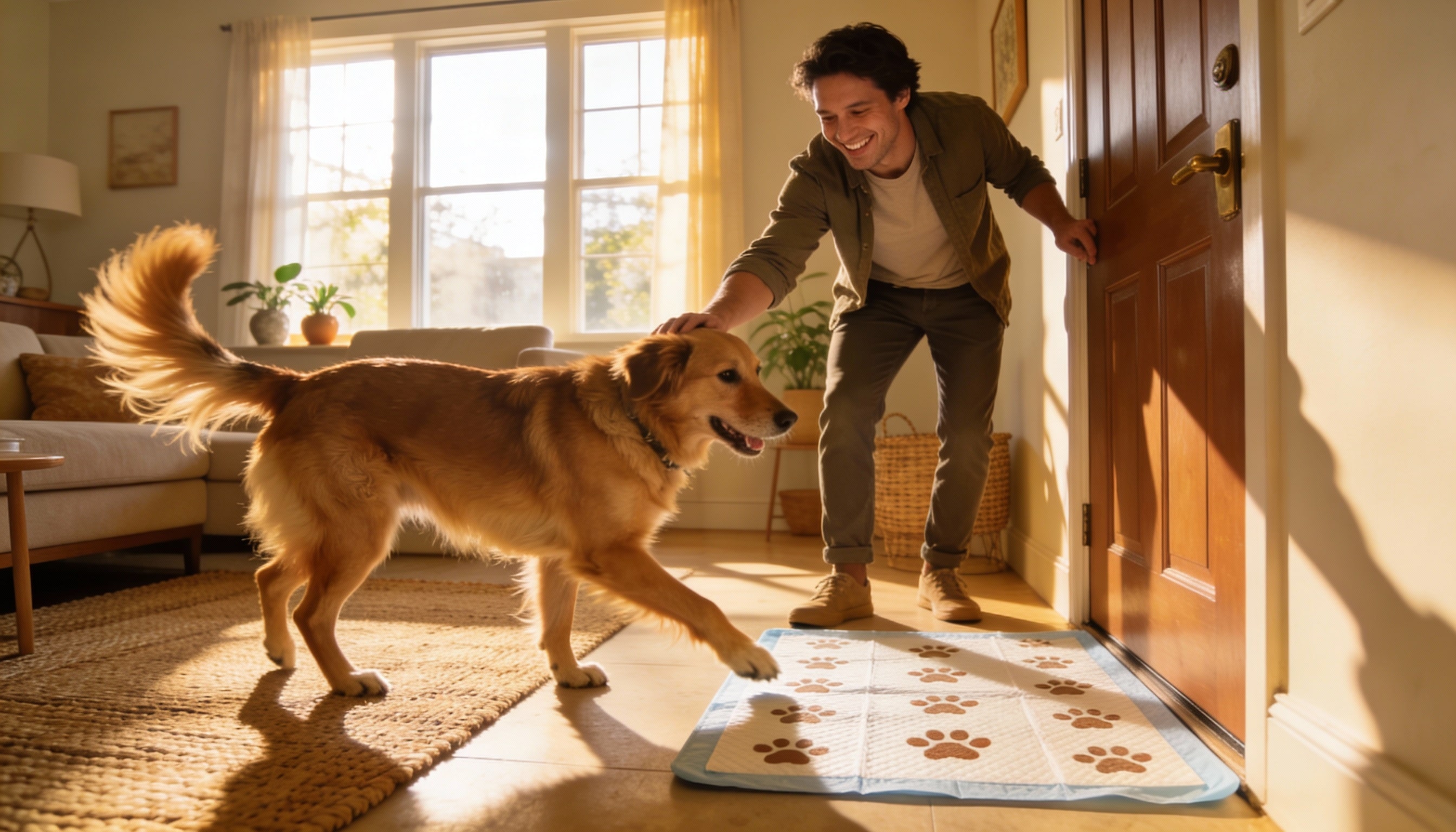
Separation Anxiety and House Soiling Connection
The relationship between anxiety and elimination is often misunderstood, leading to ineffective and harmful interventions.
How Anxiety Triggers Elimination
When dogs experience severe anxiety, their bodies enter a stress response activating the sympathetic nervous system. This physiological reaction includes increased intestinal motility—the digestive system speeds up, creating urgent bowel movements. Reduced bladder sphincter control makes holding urine difficult. The stress hormone cortisol affects multiple body systems including elimination. This isn't willful misbehavior—it's an involuntary physiological response to psychological distress.
Identifying Anxiety-Related Elimination
Several clues indicate that anxiety drives house soiling. Elimination occurs only when you're absent or during specific anxiety-triggering events. Your dog shows other anxiety symptoms including destructive behavior, excessive vocalization, pacing, or escape attempts. Accidents happen near doors or windows where your dog waits for your return. The pattern correlates with changes in routine or household stress. Your dog seems anxious or fearful during or after elimination. If these signs are present, treating the elimination symptom without addressing underlying anxiety will fail.
Why Punishment Worsens Anxiety-Driven Elimination
This is critically important: punishing anxiety-driven elimination creates a vicious cycle. Punishment increases your dog's overall anxiety levels. Higher anxiety intensifies the physiological stress response. Intensified stress response causes more frequent loss of bladder and bowel control. More accidents lead to more punishment, further increasing anxiety. Additionally, punishment damages the trust relationship, making your dog more anxious about your return. The dog becomes anxious about both separation AND your arrival, dramatically worsening quality of life. This cycle can escalate to severe behavioral problems requiring extensive professional intervention.
How to Train Dog Not to Poop in House: Positive Methods
Learning how to train your dog not to poop in the house effectively requires positive reinforcement-based approaches that address causes rather than punishing symptoms.
Establish a Consistent Schedule
Create predictable bathroom break times that your dog can anticipate. Take your dog outside first thing in the morning immediately upon waking, after every meal (typically 15-30 minutes post-eating), after play sessions or excitement, after waking from naps, and last thing before bedtime. For puppies, add breaks every 1-2 hours during waking periods. Consistency is key—use the same door, go to the same general area, and maintain similar timing daily. Predictability helps dogs develop strong bathroom routines.
Enthusiastic Positive Reinforcement
Make outdoor elimination extremely rewarding. When your dog eliminates outside, immediately provide high-value treats—fresh chicken, cheese, or whatever your dog finds most exciting. Offer enthusiastic verbal praise in a happy, excited voice. Follow successful elimination with brief play, exploration time, or other activities your dog enjoys. This multi-layered reward system builds strong preference for outdoor elimination. The timing is crucial—rewards must come immediately after elimination while your dog still connects the behavior to the consequence.
Supervision and Management
Prevent indoor accidents through careful supervision. Keep your dog in sight when out of the crate during housetraining. Watch for pre-elimination signals including sniffing, circling, sudden stopping of play, moving toward doors, or restless pacing. When you see these signals, immediately take your dog outside—don't wait. If you cannot supervise, confine your dog to a crate, exercise pen, or puppy-proofed area appropriate for their size and training level. Prevention is more effective than correction.
Thorough Cleaning of Accidents
Use enzymatic cleaners specifically designed for pet waste eliminating odors at the molecular level. Regular cleaners may mask smells to humans but dogs can still detect residual scent, triggering re-soiling in the same spot. Saturate affected areas according to product directions allowing adequate dwell time. Clean beyond the visible accident area as urine spreads. Air dry completely before allowing your dog back to the area. Proper cleaning prevents location-based habits from forming.
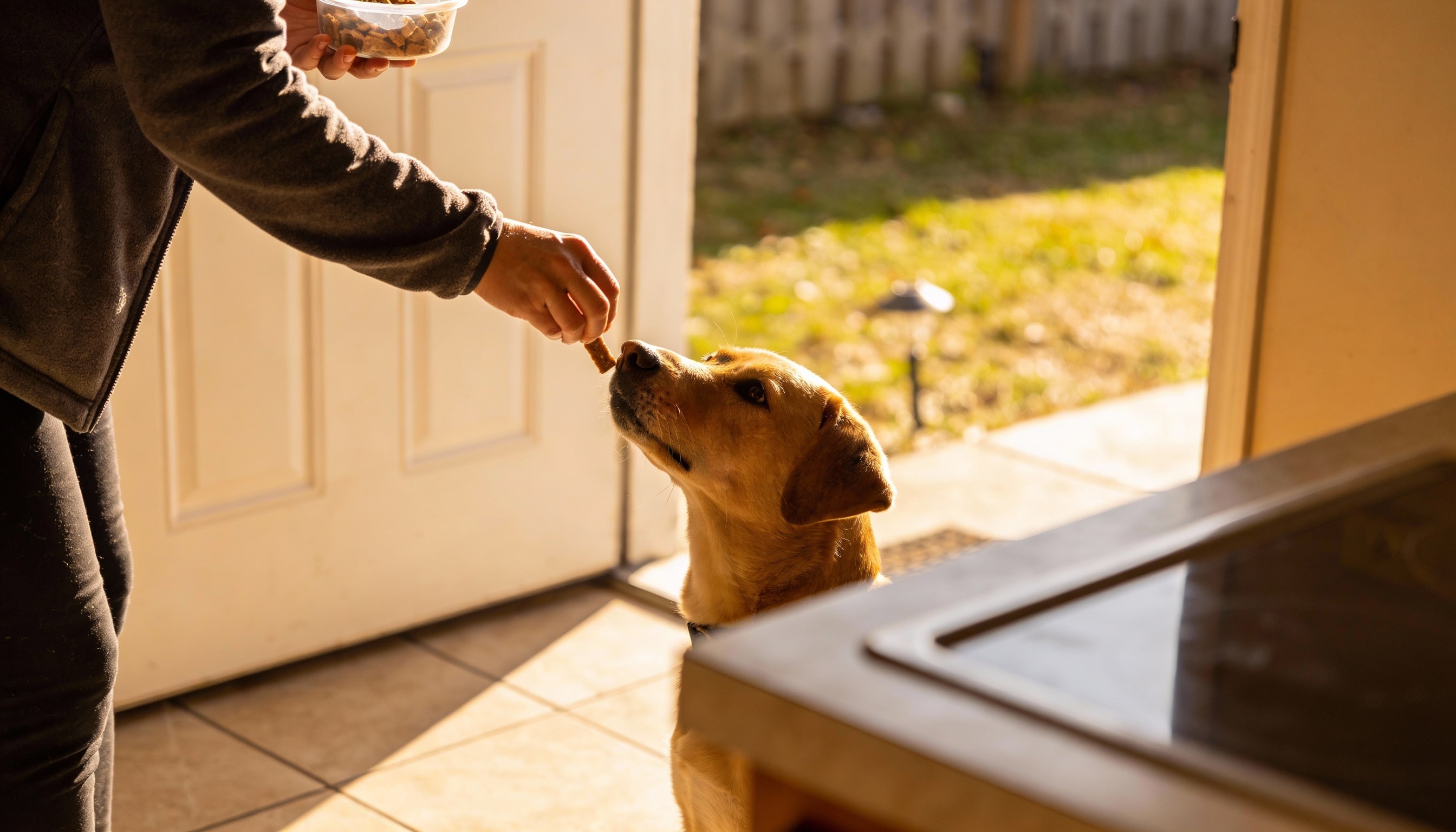
How to Train Dogs Not to Poop Inside the House: Step-by-Step
A systematic approach to how to train dogs not to poop inside the house ensures comprehensive coverage of all necessary components.
Step 1: Veterinary Examination
Schedule a thorough veterinary exam ruling out medical causes. Request fecal examination for parasites, urinalysis if urination is also occurring, bloodwork screening for diabetes, kidney disease, thyroid issues, and other conditions, and discussion of all medications that might affect elimination. Address any identified medical issues before implementing behavioral training. Medical problems require medical solutions.
Step 2: Document Current Patterns
Track your dog's elimination for one week noting time of all outdoor eliminations, time of all indoor accidents, locations of indoor accidents, what your dog was doing before each accident, and whether you were home or absent. This documentation reveals patterns helping identify triggers and optimal bathroom break timing. You might discover that accidents always happen 20 minutes after eating or only when you're gone longer than 4 hours—valuable information for targeted interventions.
Step 3: Create Optimal Schedule
Based on your documentation, design a bathroom break schedule preventing accidents. Schedule breaks just before typical accident times. Ensure no gap exceeds your dog's realistic holding capacity. For puppies, use the age-in-months-plus-one formula. For adult dogs with medical issues, adjust based on their individual needs. Build in extra breaks initially—it's better to provide unnecessary opportunities than too few.
Step 4: Implement Consistent Routine
Execute your schedule religiously for at least 2-4 weeks. Take your dog out at scheduled times whether they show signs of needing to go or not. Wait outside long enough for complete elimination—sometimes dogs urinate first then defecate a few minutes later. Use consistent verbal cues like "go potty" associating the phrase with the behavior. Immediately reward all outdoor elimination. Document successes building a positive track record.
Step 5: Address Underlying Issues
If schedule and supervision aren't sufficient, investigate deeper causes. For anxiety-related elimination, implement systematic desensitization to alone time and consult a veterinary behaviorist. For incomplete training, return to basic housetraining protocols treating your dog like an untrained puppy. For age-related issues in senior dogs, adjust expectations and consider indoor potty solutions. For stubborn cases, seek professional help from certified dog trainers or behaviorists specializing in elimination issues.
How to Stop Puppies Peeing and Pooping in the House
Puppy-specific strategies account for developmental factors affecting elimination control.
Understanding Puppy Limitations
Puppies lack full physiological control over elimination until approximately 4-6 months of age. The bladder muscles and neural connections controlling elimination are still developing. A 3-month-old puppy physically cannot hold elimination for 8 hours regardless of motivation or training quality. Expecting beyond their capacity guarantees failure and creates negative associations with housetraining. Set realistic expectations based on developmental stage, not convenience.
Frequent Bathroom Breaks
Take puppies outside much more frequently than seems necessary. For very young puppies (8-12 weeks), this means every 1-2 hours during waking periods plus immediately after waking, eating, drinking, playing, or training. Yes, this is intensive. It's also temporary and highly effective. As your puppy matures, gradually extend intervals. This prevents the development of bad habits while building strong outdoor elimination preferences.
Crate Training for Puppies
Properly introduced crates utilize the den instinct—dogs naturally avoid soiling sleeping areas. Ensure appropriate crate size—large enough to stand, turn, and lie down comfortably but not so large your puppy can eliminate in one corner and sleep in another. Never crate longer than your puppy can reasonably hold elimination. Make the crate positive through treats, meals, and toys—never punishment. Take puppies directly outside immediately upon crate release. For detailed guidance, see our article on addressing puppies who pee in their crate.
Patience with the Process
Puppy housetraining takes weeks to months, not days. Expect accidents even with proper training—they're learning, not failing. Celebrate successes rather than dwelling on setbacks. Every successful outdoor elimination strengthens the pattern. Consistency and patience during the puppy stage prevents adult housetraining problems.
Should You Punish Dogs for Pooping in House? The Science Says No
Many owners searching for "how to punish dogs for pooping in house" or "how to discipline a dog for pooping in the house" encounter outdated advice. Modern animal behavior science conclusively shows punishment is ineffective and harmful.
Why Punishment Doesn't Work
Punishment fails for several scientific reasons. First, timing issues make it ineffective—unless punishment occurs within 1-2 seconds of the behavior, dogs don't connect the consequence to the action. Discovering an accident 5 minutes or 5 hours later and punishing means your dog has no idea why you're upset. Second, punishment doesn't teach appropriate behavior—it only suppresses behavior in your presence. Your dog learns to hide elimination or do it when you're not watching, not to eliminate outdoors. Third, punishment damages the trust relationship creating fear and anxiety that can worsen behavioral problems.
The "Guilty Look" Misconception
Many owners believe their dog "knows they did wrong" because of guilty body language when discovering accidents. Research conclusively shows this is misinterpretation. Dogs display appeasement behaviors—lowered body, avoiding eye contact, ears back—in response to your anger or displeasure, not guilt about elimination. They're reacting to your current emotional state, not reflecting on past actions. This "guilty look" appears even when dogs are falsely accused of accidents they didn't commit, proving it's response to owner behavior, not actual guilt.
Harmful Effects of Punishment
Punishment-based approaches create serious problems. They increase overall anxiety levels making stress-related elimination worse. Dogs learn to fear their owners damaging the relationship. Some dogs become afraid to eliminate in the owner's presence even outdoors, creating constipation or urinary retention. Punishment can trigger defensive aggression in some dogs. It teaches dogs to hide elimination in difficult-to-find locations rather than going outside. The fallout from punishment often requires extensive professional behavioral rehabilitation to repair.
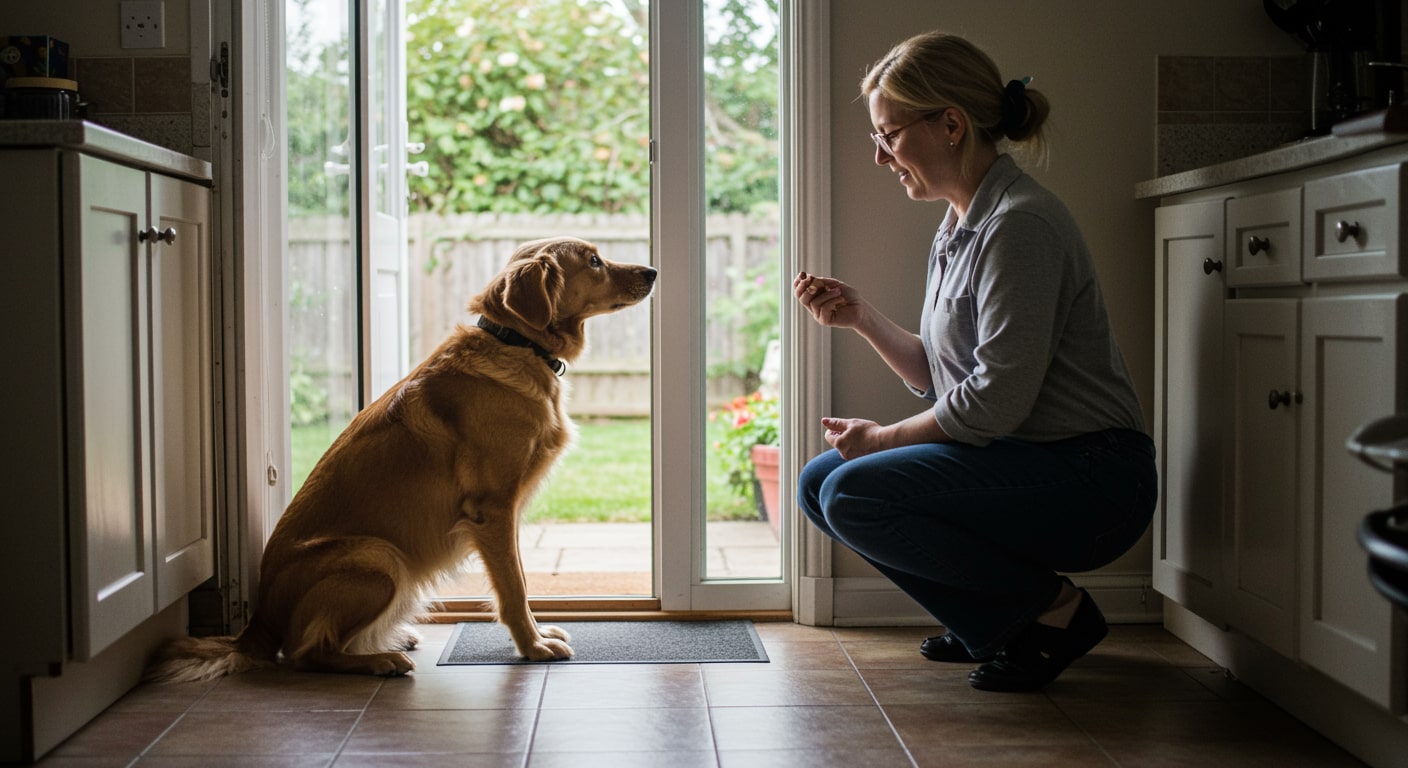
Why Discipline and Punishment Don't Work
Understanding the mechanisms explaining why looking for "how to discipline a puppy for pooping in the house" leads you astray helps you embrace more effective approaches.
Dogs Don't Think Like Humans
Dogs don't have human-like reasoning about "right and wrong" or moral responsibility. They learn through immediate associations between behaviors and consequences. When you punish after discovering an accident, the association your dog makes is "when owner returns AND there's poop on the floor, bad things happen"—not "pooping inside is wrong." This explains why punishment doesn't reduce future indoor elimination—the actual behavior isn't being addressed in the dog's mind.
Elimination Is Self-Rewarding
The immediate relief from eliminating is inherently rewarding—it feels good to relieve bladder or bowel pressure. This immediate internal reward is far more powerful than delayed punishment occurring minutes or hours later. The fundamental principle of learning is that immediate consequences have greater impact than delayed ones. Punishment that occurs even 30 seconds after elimination cannot compete with the immediate relief of the act itself.
Punishment Creates Unpredictability
From your dog's perspective, punishment for elimination is inconsistent and confusing. Sometimes they eliminate and nothing happens (when you're not there to witness it). Sometimes they eliminate and get punished (when you discover it). Sometimes they eliminate outside and get rewarded. This inconsistency creates anxiety and confusion, not learning. Effective training requires consistent, predictable consequences—something punishment for house soiling cannot provide.
Effective Alternatives to Punishment
Instead of searching for "how to punish a puppy for pooping in the house," implement these proven alternatives that actually work.
Interrupt and Redirect
If you catch your dog in the act of beginning to eliminate indoors, calmly interrupt with a gentle sound or verbal cue—not harsh yelling. Immediately take your dog outside to the appropriate bathroom spot. If they finish eliminating outside, provide enthusiastic praise and rewards. This teaches appropriate location without creating fear or anxiety. The key is interrupting early in the elimination process and immediately providing access to the correct location.
Increase Supervision and Prevention
Rather than punishing accidents, prevent them from occurring in the first place. Keep your dog in sight when out of confinement. Watch for pre-elimination signals and respond immediately by taking your dog outside. Use baby gates to restrict access to areas where accidents occur most frequently. When you cannot supervise, confine your dog appropriately. Prevention eliminates opportunities for both the unwanted behavior and the temptation to punish.
Make Outdoor Elimination Extremely Rewarding
The most powerful training approach is making the desired behavior—outdoor elimination—so rewarding that it becomes your dog's strong preference. Use high-value treats every single time. Add enthusiastic verbal praise. Include brief play or exploration time as bonus rewards. The accumulated positive associations with outdoor elimination create intrinsic motivation far more powerful than fear-based avoidance of punishment.
Address Root Causes
Identify and fix underlying problems rather than just suppressing symptoms. If medical issues contribute, treat them. If anxiety drives elimination, address the anxiety through proper channels. If schedule problems prevent adequate bathroom opportunities, adjust the schedule. If incomplete training is the issue, implement systematic housetraining protocols. Solving root causes prevents future problems rather than just controlling current symptoms.
Positive Reinforcement Training Methods
Understanding how positive reinforcement actually works helps you implement it effectively.
The Science of Positive Reinforcement
Positive reinforcement means adding something pleasant immediately after a behavior to increase the likelihood that behavior will occur again. When your dog eliminates outside and immediately receives treats, praise, and play, their brain creates strong positive associations with outdoor elimination. Over many repetitions, this builds powerful preference for the desired behavior. This is scientifically proven to be the most effective, fastest, and most humane training method available.
Implementing Effective Rewards
Not all rewards are created equal. Use high-value treats—small pieces of fresh chicken, cheese, hot dog, or commercial high-value treats. Reserve these special rewards specifically for outdoor elimination making them extra meaningful. Timing is crucial—reward within 1-2 seconds of elimination completion while your dog still connects the behavior to consequence. Vary your rewards slightly preventing habituation—sometimes treats plus praise, sometimes treats plus play, sometimes all three. This variable reinforcement maintains strong motivation.
Building Duration and Independence
Initially, reward every single outdoor elimination without exception. After several weeks of consistency with no indoor accidents, begin intermittent reinforcement—reward 80% of outdoor eliminations. Gradually reduce to 50%, then 25%, always keeping some level of reinforcement present. This intermittent schedule actually strengthens behavior making it more resistant to extinction. Even fully housetrained dogs should occasionally receive praise or treats for outdoor elimination maintaining the positive association.
Creating a Consistent Schedule
Schedule consistency is one of the most powerful housetraining tools available.
Designing Your Schedule
Create a realistic bathroom break schedule you can maintain consistently. Include mandatory breaks first thing in morning, after every meal, mid-morning, mid-afternoon, early evening, and last thing before bed. For puppies or dogs with medical issues, add additional breaks as needed. Write the schedule down and post it where all family members can see ensuring everyone maintains consistency. Set phone alarms if necessary preventing forgotten breaks.
The Power of Feeding Schedules
Feed meals at consistent times rather than free-feeding. Scheduled meals create predictable elimination patterns—most dogs defecate 15-45 minutes after eating. This predictability allows you to provide bathroom opportunities at optimal times. Monitor water intake timing as well—ensure adequate hydration but consider moderating evening water if nighttime accidents are problematic. Never completely restrict water—dehydration is dangerous.
Maintaining Consistency Through Life Changes
When schedule changes are necessary due to work shifts, travel, or other factors, transition gradually when possible. Sudden dramatic schedule changes can trigger housetraining regression. If you must change schedules abruptly, temporarily increase supervision and bathroom frequency during the transition period. Once a new schedule is established, maintain it consistently allowing your dog to adapt.
Cleaning Accidents Properly
Proper accident cleanup is essential for preventing repeat elimination in the same locations.
Enzymatic Cleaners Are Essential
Regular household cleaners, even strong ones, don't eliminate the organic compounds in urine and feces that dogs detect. Enzymatic cleaners contain bacteria and enzymes that break down these compounds at the molecular level, completely removing the scent markers that trigger re-soiling. Popular enzymatic cleaners include Nature's Miracle, Rocco & Roxie, Simple Solution, and Angry Orange. These are investments in housetraining success, not optional extras.
Proper Application Technique
Blot up excess waste with paper towels before cleaning. Saturate the entire affected area—not just surface cleaning—following product instructions. Most enzymatic cleaners require 10-15 minute dwell time to work effectively. Allow to air dry completely—fans or sunlight speed this process. For carpets, clean the padding underneath if possible as urine seeps through. For hardwood or tile, check grout lines and seams where odor can concentrate. Repeat applications may be necessary for heavily soiled areas.
Identifying All Affected Areas
Use a blacklight to identify all soiled areas—urine fluoresces under UV light revealing spots you might otherwise miss. Check behind furniture and in corners where accidents might go unnoticed. Thoroughly clean all identified areas even if they're old accidents. Residual scent from previous accidents encourages repeat soiling in the same locations.
Managing Anxiety-Related Accidents
When separation anxiety drives house soiling, specific interventions targeting the anxiety are necessary.
Addressing the Underlying Anxiety
Implement systematic desensitization to alone time gradually building your dog's comfort with separation. Start with absences of just seconds and build over weeks to longer durations. Practice departure cue desensitization performing pre-leaving actions without actually leaving. Ensure adequate physical and mental exercise before alone time. Create a comfortable, safe space for your dog when you're gone. For comprehensive separation anxiety protocols, see our guide on working with a dog behaviorist for separation anxiety.
Environmental Modifications
Use calming aids including pheromone diffusers like Adaptil, white noise machines masking triggering sounds, and comfortable safe spaces with your scent on bedding. Provide engaging activities like stuffed Kongs or puzzle toys distracting from anxiety. Leave recently worn clothing items providing comfort through your scent. These modifications reduce overall anxiety levels making stress-related elimination less likely.
Professional Intervention
For severe separation anxiety causing house soiling, professional help may be necessary. Certified veterinary behaviorists can prescribe anti-anxiety medication reducing stress enough for behavioral training to work. Certified professional dog trainers specializing in anxiety provide structured protocols. The combination of behavior modification and medication often provides the fastest, most effective relief for severe cases.
Medical Issues to Rule Out
Certain medical conditions require treatment before behavioral interventions can succeed.
Urinary Issues
Urinary tract infections, bladder stones, diabetes, kidney disease, and urinary incontinence all affect elimination control. Signs include frequent urination with small amounts, straining, bloody urine, excessive water drinking, and accidents during sleep. Veterinary urinalysis and bloodwork diagnose these conditions. Treatment may include antibiotics, dietary changes, surgery, or medication.
Gastrointestinal Problems
Parasites, inflammatory bowel disease, food allergies, pancreatitis, and other digestive issues cause diarrhea and urgency making indoor accidents inevitable. Signs include frequent defecation, loose or liquid stool, blood or mucus in stool, vomiting, and weight loss. Fecal examination, bloodwork, and sometimes imaging or endoscopy identify causes. Treatment varies based on diagnosis but might include deworming, dietary changes, antibiotics, or anti-inflammatory medications.
Cognitive Dysfunction
Senior dogs may develop canine cognitive dysfunction similar to dementia in humans. This causes confusion about learned behaviors including housetraining. Signs include disorientation, altered sleep-wake cycles, changes in interactions with family, and house soiling in previously reliable dogs. While no cure exists, medications and supplements may slow progression and improve quality of life. Environmental modifications and adjusted expectations become necessary.
Long-Term Solutions and Maintenance
Successful housetraining requires ongoing commitment even after problems seem resolved.
Maintaining Consistency
Once your dog is reliably housetrained, maintain the habits that created success. Continue regular bathroom breaks even if your dog could physically hold longer. Occasionally reward outdoor elimination maintaining positive associations. Stay alert for regression triggers like schedule changes, stress, or illness. Quick intervention at first signs of regression prevents full backsliding.
Life Stage Adjustments
As dogs age, their needs change. Senior dogs may need more frequent bathroom breaks due to reduced muscle control or medical conditions. Adjust expectations and schedule accordingly. For dogs developing mobility issues, ensure easy outdoor access or consider indoor potty solutions. Adapt your approach to your dog's current capabilities and needs.
Responding to Setbacks
Even well-housetrained dogs occasionally have accidents during illness, extreme stress, or major life changes. Don't interpret single accidents as complete failure. Return to closer supervision and more frequent breaks temporarily. Address any triggering stressors. Once the situation stabilizes, most dogs return to reliable housetraining.
Conclusion: Choosing Positive Methods Over Punishment
Understanding how to get your dog to stop using the bathroom in the house, how to train your dog not to poop in the house, and how to stop puppies peeing and pooping in the house requires embracing positive, science-based methods rather than punishment. Searching for "how to punish dogs for pooping in house," "how to discipline a dog for pooping in the house," "how to punish a puppy for pooping in the house," or "how to discipline a puppy for pooping in the house" leads you toward ineffective, harmful approaches that damage your relationship with your dog while failing to solve the underlying problem.
Effective solutions address root causes through veterinary care for medical issues, systematic positive reinforcement training, consistent schedules and supervision, proper cleaning preventing re-soiling, and anxiety management when stress drives elimination. These approaches work with your dog's natural learning processes rather than against them, creating lasting behavior change without fear or damage to your relationship.
For comprehensive information on why house soiling occurs and additional solutions, see our detailed guide on why your dog is pooping in the house. If anxiety contributes to elimination problems, working with a certified dog behaviorist specializing in separation anxiety can provide the expertise needed for resolution.
Ready to solve house soiling using positive methods? Start today with a veterinary examination ruling out medical causes, then implement a consistent bathroom break schedule with enthusiastic rewards for every outdoor elimination. Track progress documenting successes and identifying patterns. With patience, consistency, and positive reinforcement, you can help your dog develop reliable housetraining that lasts a lifetime.
Key Takeaways
- Punishment for house soiling doesn't work and damages your relationship with your dog
- Always rule out medical causes before assuming behavioral issues
- Positive reinforcement with high-value rewards is the most effective training method
- Consistent bathroom break schedules prevent accidents and build reliable routines
- Proper enzymatic cleaning prevents repeat elimination in the same locations
- Anxiety-driven elimination requires treating the underlying anxiety, not the symptom
- Puppies need frequent breaks based on developmental bladder control limitations
- Supervision and prevention are more effective than correction after accidents