

Learning how to get a scared dog to come to you requires patience, understanding, and a gentle approach that respects the dog's fear while gradually building trust. Whether you're working with a newly adopted rescue dog, helping a skittish stray, or addressing fear responses in your own anxious pet, the techniques for encouraging scared dogs to approach remain consistent. Understanding canine body language, fear responses, and trust-building strategies transforms you from a threatening presence into a safe haven your frightened dog willingly approaches.
This comprehensive guide provides proven strategies for how to get a scared dog to come to you, whether the dog is mildly nervous or deeply traumatized. You'll learn how to get a skittish dog to come to you through body language modifications, environmental management, and patience-based approaches that never force or intimidate. By the end, you'll possess the knowledge and techniques to build meaningful connections with even the most fearful dogs, creating relationships based on trust rather than coercion.
Understanding Why Dogs Become Scared
Before learning how to get a scared dog to come to you, understanding the roots of canine fear provides crucial context. Dogs develop fear responses through various pathways, and recognizing these origins helps you adjust your approach appropriately.
Trauma and Negative Experiences
Many scared dogs have experienced trauma that created lasting fear responses. Past abuse, abandonment, or frightening experiences teach dogs that humans pose threats. Dogs who were beaten, kicked, or yelled at often exhibit extreme fear around people. Even single traumatic incidents can create profound fear lasting months or years. These dogs require extra patience when learning how to get a skittish dog to come to you, as their fear stems from learned associations between humans and danger.
Lack of Socialization
Dogs who missed critical socialization periods (roughly 3-14 weeks of age) often struggle with fear throughout their lives. Without positive human exposure during this developmental window, dogs may perceive people as threatening regardless of actual experiences. Undersocialized dogs typically fear all humans rather than specific individuals. Understanding this helps adjust expectations—you're not overcoming past trauma but rather teaching basic trust from scratch when determining how to get a scared dog to come to you.
Genetic Predisposition
Some dogs inherit fearful temperaments making them naturally skittish. Certain breeds and individual bloodlines show higher fear tendencies. Genetically fearful dogs display nervousness even with excellent socialization and no traumatic history. These dogs benefit from the same techniques for how to get a skittish dog to come to you but may always retain some baseline wariness. Understanding this prevents unrealistic expectations about completely eliminating all fear behaviors.
Medical Issues
Sometimes fear stems from pain, sensory deficits, or neurological conditions. Dogs experiencing chronic pain may fear touch and approach. Deaf or vision-impaired dogs startle easily and may appear fearful. Cognitive dysfunction in senior dogs can create confusion manifesting as fear. Before implementing behavioral strategies for how to get a scared dog to come to you, veterinary evaluation rules out medical causes requiring treatment.
How to Get a Scared Dog to Come to You: Step-by-Step
The following systematic approach provides the foundation for how to get a scared dog to come to you reliably and safely. These steps build on each other, creating progressive trust that eventually results in willing approach behaviors.
Step 1: Assess the Situation
Before attempting to approach a scared dog, assess safety and fear levels. Determine whether the dog shows merely nervous behavior or extreme terror. Evaluate whether the dog has escape routes—cornered dogs may bite out of fear. Consider whether immediate approach is necessary or if allowing time for the dog to acclimate serves better. Sometimes the answer to how to get a scared dog to come to you is initially waiting rather than approaching. Let scared dogs observe you from safe distances before expecting approach.
Step 2: Make Yourself Less Threatening
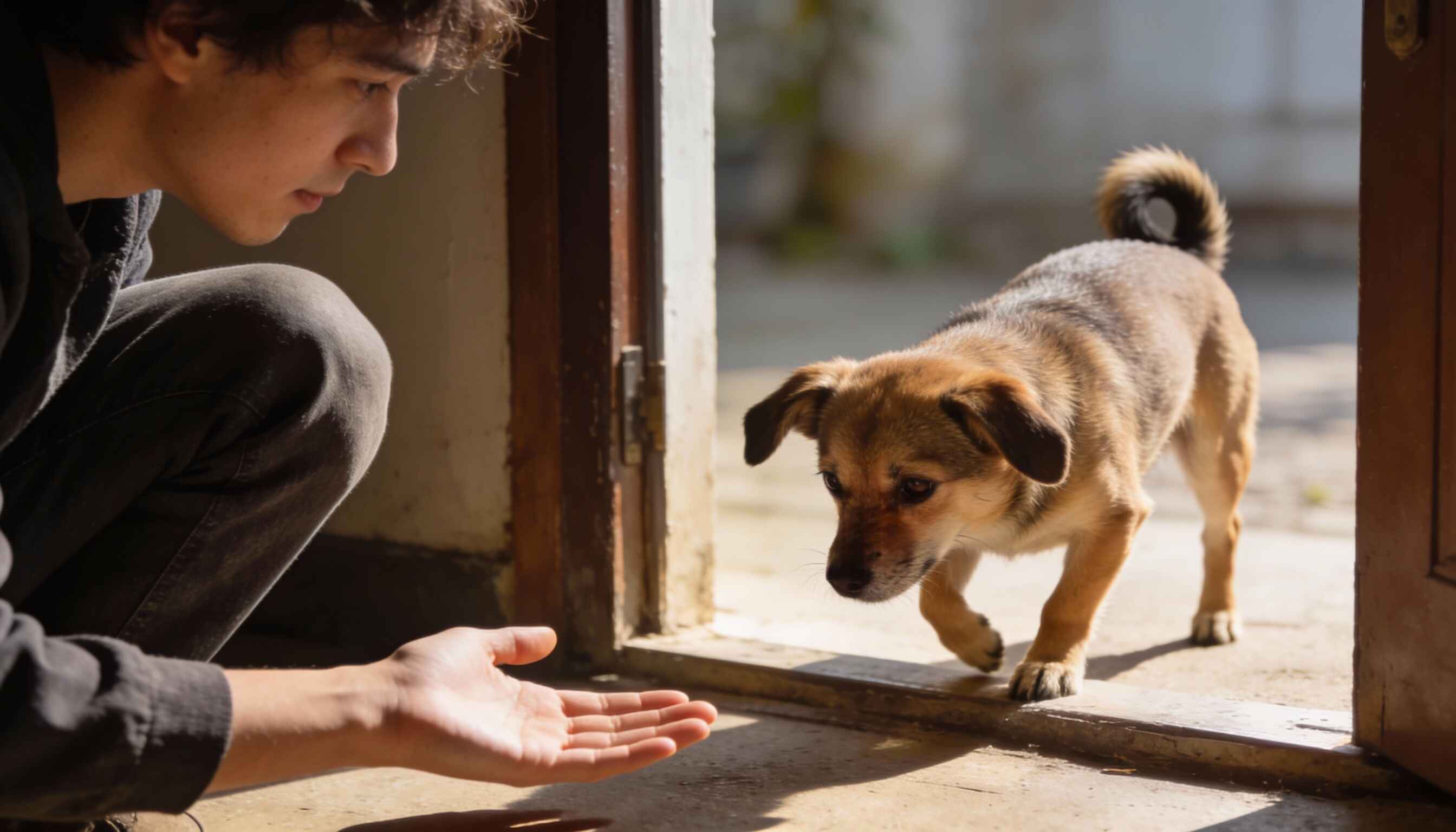
Your physical presence dramatically impacts how scared dogs perceive you. Avoid direct eye contact, which dogs interpret as threatening. Turn your body sideways rather than facing the dog directly. Lower your body position by sitting or kneeling, making yourself smaller and less intimidating. Move slowly and deliberately, avoiding sudden movements. Keep your hands visible but relaxed at your sides or in your lap. These modifications transform your presence from threatening to approachable, essential for how to get a skittish dog to come to you.
Step 3: Create Distance and Space
Counterintuitively, moving away from scared dogs often encourages approach. Scared dogs need sufficient distance to feel safe. Position yourself 10-15 feet away initially, or farther if the dog appears extremely frightened. Turn your back or side to the dog while remaining aware of their position. This distance respects the dog's need for space while making yourself available. Many trainers find this the most effective first step for how to get a scared dog to come to you—let them choose to approach rather than forcing interaction.
Step 4: Use High-Value Food Lures
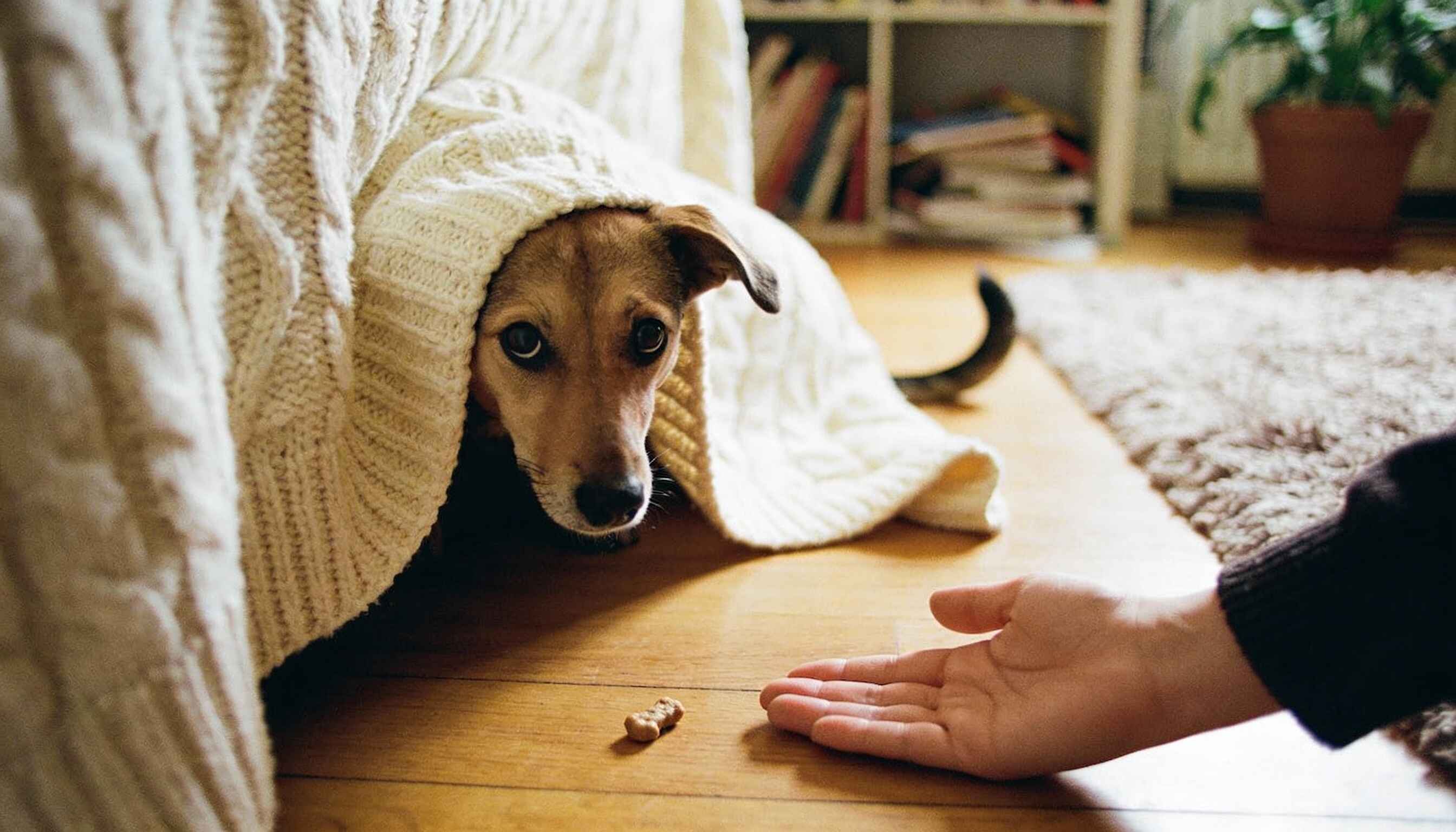
Once positioned non-threateningly at appropriate distance, introduce high-value treats. Use especially appealing foods like small pieces of chicken, cheese, hot dogs, or freeze-dried meat. Toss treats toward the dog, initially landing well within their comfort zone. Gradually toss treats closer to yourself, creating a "treat trail" the dog can follow. Never hand-feed initially—allow the dog to take treats from the ground while you remain still. This food-based approach answers how to get a scared dog to come to you by creating positive associations with your presence.
Step 5: Practice Patience and Allow Approach
The critical component of how to get a skittish dog to come to you involves patient waiting. After creating a treat trail, remain still and quiet. Avoid staring at the dog. Engage in a calm, non-threatening activity like reading on your phone or looking at the ground. Allow the dog to decide when and how to approach. Initial approaches may involve the dog taking treats but retreating immediately. Celebrate these small victories without attempting further interaction. Repeat this process multiple times over days or weeks as needed.
Step 6: Progress Gradually
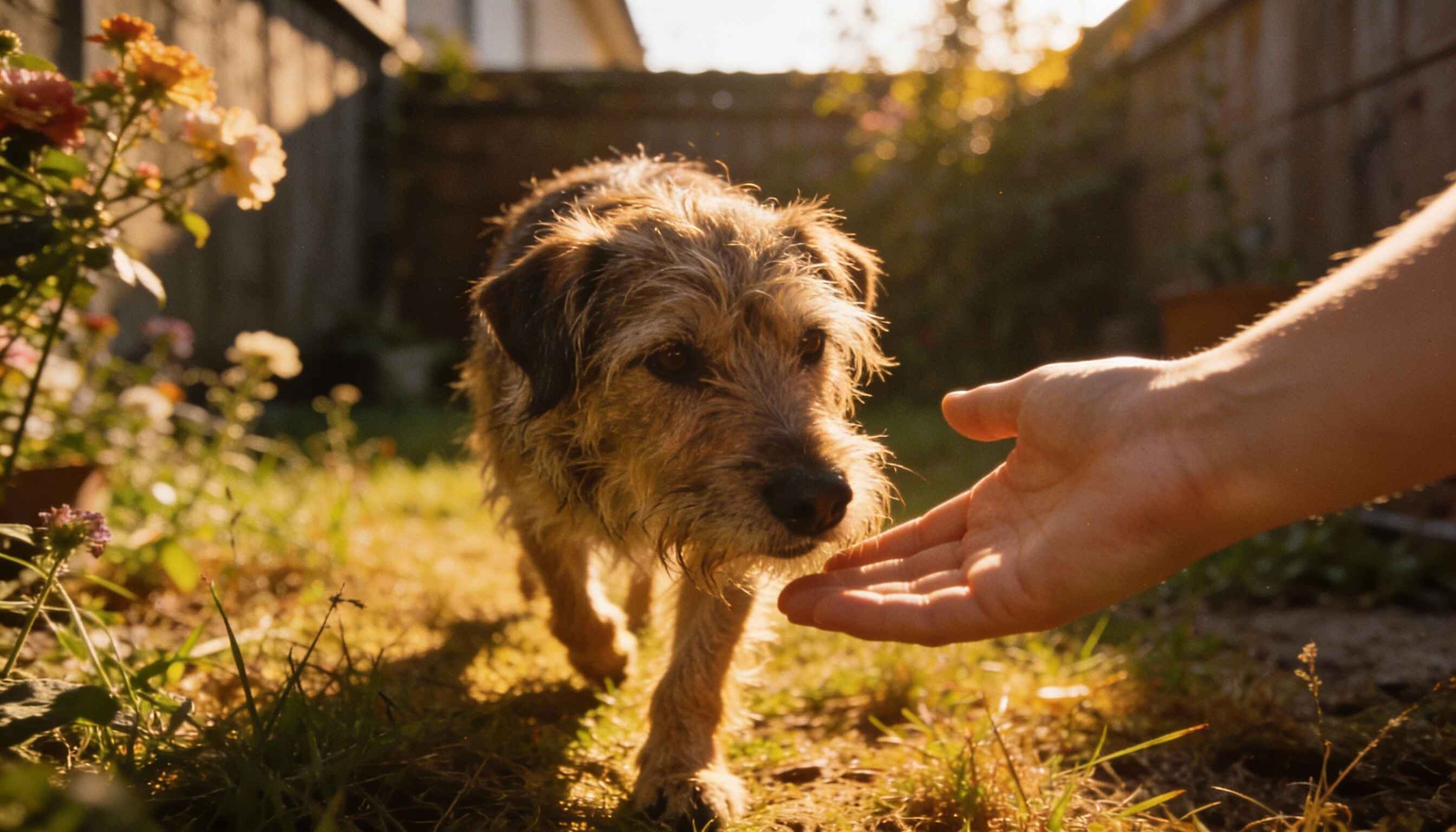
As the dog becomes comfortable taking treats near you, gradually increase interaction levels. After they consistently approach for treats, extend your hand slowly palm-down for sniffing. Avoid attempting to pet until the dog shows clear comfort signals. When ready for touch, pet the chest or side rather than reaching over the head. Keep initial touches brief—several seconds only. End interactions while the dog still appears comfortable rather than pushing to their threshold. This gradual progression solidifies how to get a scared dog to come to you reliably.
How to Get a Skittish Dog to Come to You
While the terms "scared" and "skittish" are often used interchangeably, skittish dogs may show slightly different behavioral patterns. Understanding how to get a skittish dog to come to you involves recognizing these nuances and adjusting techniques accordingly.
Characteristics of Skittish Dogs
Skittish dogs typically show wariness rather than overt terror. They may approach but dart away at sudden movements or sounds. Skittish dogs often display approach-avoidance conflict, wanting to interact but feeling uncertain. They're easily startled and may spook at environmental changes. Unlike deeply traumatized scared dogs, skittish dogs often show curiosity alongside fear. These characteristics inform how to get a skittish dog to come to you—you're managing uncertainty and startle responses rather than overcoming severe trauma.
Consistency and Predictability
Skittish dogs benefit enormously from predictable routines and consistent responses. Use the same verbal cues and body language each time you interact. Approach from the same direction and follow the same sequence of actions. Maintain consistent daily schedules for feeding, walking, and interaction. This predictability reduces uncertainty, making it easier to determine how to get a skittish dog to come to you. When dogs can predict your behavior accurately, they feel safer and approach more willingly.
Desensitization to Triggers
Many skittish dogs react to specific triggers—sudden movements, loud voices, reaching hands, or approaching footsteps. Systematic desensitization reduces these reactions. Identify specific triggers causing startle responses. Expose the dog to these triggers at very low intensities that don't provoke fear. Pair trigger exposure with treats and positive experiences. Gradually increase trigger intensity as the dog becomes comfortable. This process makes you less startling overall, essential for how to get a skittish dog to come to you confidently.
Building Confidence Through Success
Unlike deeply fearful dogs who need extensive time, skittish dogs often respond well to confidence-building exercises. Teach simple tricks using positive reinforcement. Provide puzzle toys that allow successful problem-solving. Create opportunities for safe exploration. Set up obstacle courses with treats encouraging movement. Each success builds confidence, making the dog more willing to take social risks including approaching you. These confidence-building activities complement direct training for how to get a skittish dog to come to you.
Body Language Matters
Your body language communicates volumes to scared dogs, often overriding verbal cues. Mastering appropriate body language significantly impacts success when learning how to get a scared dog to come to you.
Reading Dog Body Language
Before focusing on your own body language, learn to read canine fear signals. Whale eye (whites of eyes visible), tucked tail, lowered body posture, ears pinned back, lip licking, yawning, and turning away all indicate fear. Recognize these signals and respond by backing off and reducing pressure. Pushing forward when dogs display fear signals undermines progress toward how to get a scared dog to come to you. Conversely, relaxed body, soft eyes, neutral ear position, and loose wagging indicate increasing comfort.
Non-Threatening Human Body Language
Project calm, non-threatening energy through deliberate body language choices. Keep shoulders relaxed and dropped rather than hunched forward. Maintain loose, flowing movements rather than stiff, jerky motions. Breathe slowly and deeply—anxious breathing communicates stress to dogs. Keep your face relaxed; smile gently but avoid showing teeth prominently. Stand or sit at angles rather than straight-on confrontation. This non-threatening presentation is fundamental to how to get a skittish dog to come to you.
The Power of Turning Away
One of the most powerful techniques for how to get a scared dog to come to you involves simply turning away. When dogs feel pressured by direct attention, turning your head or entire body away releases that pressure. Many trainers find that turning completely away encourages approach faster than facing dogs directly. This counterintuitive technique works because it signals you're not pursuing or threatening the dog, making approach safer from the dog's perspective.
Creating Safe Spaces
Environmental management plays a crucial role in how to get a scared dog to come to you by establishing spaces where dogs feel inherently safer.
Designated Safe Zones
Create specific areas where scared dogs can retreat without human interference. Provide a covered crate, bed under furniture, or quiet room where dogs know they won't be bothered. Never force interaction when dogs retreat to safe spaces. This guarantee of safety builds overall trust, making dogs more willing to venture out and approach you during other times. Safe zones establish that you respect boundaries, essential for how to get a skittish dog to come to you on their terms.
Reducing Environmental Stressors
Minimize environmental factors increasing baseline anxiety. Reduce loud noises by using white noise machines or soft music. Maintain consistent lighting avoiding sudden bright lights or darkness. Minimize household chaos during trust-building phases. Limit exposure to other pets or family members who may overwhelm the dog. A calm environment makes it easier to focus on how to get a scared dog to come to you without competing stressors undermining progress.
Strategic Furniture Arrangement
Arrange furniture facilitating approach while providing escape routes. Avoid layouts that trap dogs in corners or dead ends. Create open pathways allowing dogs to approach and retreat easily. Position comfortable resting spots where dogs can observe you from safe distances. This strategic arrangement removes physical barriers to achieving how to get a scared dog to come to you while ensuring dogs never feel trapped.
Building Trust Gradually
Trust develops through consistent positive experiences over time. Understanding this process helps maintain realistic expectations about how to get a scared dog to come to you.
The Timeline of Trust
Trust-building timelines vary dramatically between individual dogs. Mildly nervous dogs may show significant progress within days or weeks. Moderately fearful dogs often require several weeks to months. Severely traumatized dogs may need months or even years to fully trust. This variability means there's no single timeline for how to get a skittish dog to come to you. Patience and consistency matter more than speed. Celebrate small incremental progress rather than fixating on end goals.
Consistency Across All Interactions
Every interaction either builds or undermines trust. Remain consistently gentle, patient, and non-threatening across all situations. Never punish, yell at, or force scared dogs. Avoid flooding (overwhelming exposure to fears). Maintain the same calm demeanor whether the dog approaches quickly or retreats. This unwavering consistency proves your reliability, fundamental to how to get a scared dog to come to you willingly. One negative interaction can destroy weeks of trust-building progress.
Recognizing and Celebrating Progress
Acknowledge incremental improvements even when they seem minor. The dog glancing at you represents progress. Taking treats several feet closer than yesterday shows improvement. Approaching for three seconds rather than two signals growth. Recognizing these small victories maintains your motivation and helps you understand the dog's improving comfort. This positive perspective sustains the patience required for how to get a skittish dog to come to you over extended periods.
Using Food and Treats Effectively
Food serves as a powerful motivator and positive association builder when learning how to get a scared dog to come to you. Strategic use maximizes effectiveness.
Selecting the Right Treats
Choose especially high-value treats for scared dog training. Cooked chicken, turkey, cheese, hot dogs, freeze-dried liver, and commercial training treats work well. Select treats with strong aromas that dogs can smell from distances. Use soft treats that dogs can consume quickly without prolonged chewing. Keep treat pieces small—roughly pea-sized—allowing many repetitions without filling the dog. The right treats significantly improve success rates for how to get a scared dog to come to you by creating powerful positive associations.
Treat Delivery Techniques
How you deliver treats matters as much as what you offer. Initially toss treats to the dog rather than hand-feeding, allowing them to maintain safe distance. Toss treats gently underhand rather than overhand throws that may startle. Create treat trails leading toward you, allowing gradual approach. As comfort increases, place treats on the ground near your feet rather than tossing. Eventually progress to offering treats from an outstretched flat palm. These progressive delivery methods support how to get a skittish dog to come to you at the dog's pace.
Avoid Food Dependency
While treats are invaluable tools, avoid creating complete food dependency. Gradually reduce treat frequency as the dog becomes comfortable. Occasionally reward with verbal praise and gentle affection instead of food. Vary when treats are given to prevent predictable patterns. This prevents the situation where dogs only approach when you visibly hold treats, ensuring more natural comfort driving how to get a scared dog to come to you beyond food motivation alone.
Patience and Consistency
The twin pillars of how to get a scared dog to come to you remain patience and consistency. Mastering these qualities determines long-term success.
Cultivating Genuine Patience
Genuine patience means accepting the dog's timeline without frustration. Recognize that fear-based behaviors aren't defiance or stubbornness. Understand that rushing creates setbacks requiring more time to overcome than patient progression would have taken initially. Maintain realistic expectations based on the individual dog's history and temperament. Cultivate compassion for the fear the dog experiences. This deep patience sustains your efforts throughout the lengthy process often required for how to get a skittish dog to come to you.
Maintaining Consistency
Consistency applies to techniques, daily routines, and emotional responses. Use the same approach methods rather than constantly changing tactics. Maintain regular schedules for feeding, walking, and training sessions. Respond to the dog's behaviors consistently rather than reacting based on your mood. Involve all household members in consistent approaches. This predictability creates the safe, reliable environment scared dogs need to overcome fear, essential for how to get a scared dog to come to you successfully.
What NOT to Do
Understanding what to avoid proves equally important as knowing positive techniques when learning how to get a scared dog to come to you.
Never Force Interaction
Forcing scared dogs to interact—through physical restraint, cornering, or flooding—severely damages trust and often worsens fear. Never grab, pull, or carry fearful dogs except in genuine emergencies. Don't corner dogs with no escape routes. Avoid flooding techniques that expose dogs to overwhelming fear levels. These coercive approaches contradict everything about how to get a scared dog to come to you voluntarily and undermine all progress.
Avoid Punishment
Never punish fearful behaviors through scolding, physical corrections, or intimidation. Fear-based behaviors aren't misbehavior requiring correction—they're emotional responses. Punishment increases fear and damages trust. Even mild corrections like verbal reprimands can severely set back progress with scared dogs. Maintain a completely punishment-free approach when working on how to get a skittish dog to come to you.
Don't Take Rejection Personally
When scared dogs refuse to approach despite your efforts, avoid taking it personally or responding with frustration. The dog's behavior reflects their fear, not judgments about you. Displaying frustration or disappointment creates tension dogs perceive, increasing their reluctance. Maintain emotional neutrality regardless of progress speed. This detachment supports the calm, patient demeanor required for how to get a scared dog to come to you.
When to Seek Professional Help
Sometimes professional assistance accelerates progress or proves necessary for success with how to get a scared dog to come to you.
Signs You Need Professional Help
Seek professional support if the dog shows no improvement after several weeks of consistent efforts. Worsening fear despite proper techniques indicates need for expert intervention. Aggressive responses when approached require professional assessment. Fear so severe the dog won't eat or drink normally needs immediate attention. Professional dog behaviorists, veterinary behaviorists, or certified trainers specializing in fearful dogs provide expertise beyond what owners can typically achieve alone.
Types of Professional Support
Certified professional dog trainers (CPDT) offer training expertise. Certified applied animal behaviorists (CAAB) provide advanced behavioral modification programs. Veterinary behaviorists address both medical and behavioral aspects of fear. These professionals can assess your dog, create customized programs, demonstrate proper techniques, and provide ongoing support. Professional guidance often dramatically improves outcomes when learning how to get a scared dog to come to you proves challenging.
Success Stories and Timelines
Understanding realistic timelines and hearing success stories maintains motivation throughout the often lengthy process of how to get a scared dog to come to you.
Realistic Timeline Expectations
Mildly nervous dogs may willingly approach within days to weeks of consistent effort. Moderately fearful dogs typically require 1-3 months for reliable approach behaviors. Severely traumatized dogs may need 6-12 months or longer. Some extremely fearful dogs make continuous progress but never become fully confident with strangers. These timelines help set realistic expectations about how to get a skittish dog to come to you based on initial fear levels.
Real Success Stories
Countless dogs have overcome severe fear through patient, consistent application of these principles. Dogs who initially cowered at human approach eventually learned to solicit attention and affection. Rescue dogs who spent weeks hiding gradually became confident family members. Abused dogs who initially tried to bite transformed into trusting companions. These success stories demonstrate that with proper techniques and sufficient patience, even profoundly scared dogs can learn to trust, making all the effort involved in how to get a scared dog to come to you worthwhile.
Key Takeaways
- How to get a scared dog to come to you requires patience, non-threatening body language, and respecting the dog's need for space
- Make yourself less threatening by avoiding direct eye contact, turning sideways, lowering your body position, and moving slowly
- Create distance and allow dogs to choose to approach rather than forcing interaction
- Use high-value treats to create positive associations, starting with tossed treats and gradually progressing to hand-feeding
- How to get a skittish dog to come to you involves consistency, predictability, and systematic desensitization to triggers
- Master non-threatening body language including turning away, relaxed posture, and avoiding direct staring
- Create safe spaces where scared dogs can retreat, building overall trust and security
- Never force interaction, use punishment, or corner scared dogs—these approaches damage trust
- Timelines vary from days to months or years depending on fear severity; celebrate incremental progress
- Seek professional help if fear doesn't improve, worsens, or involves aggression