
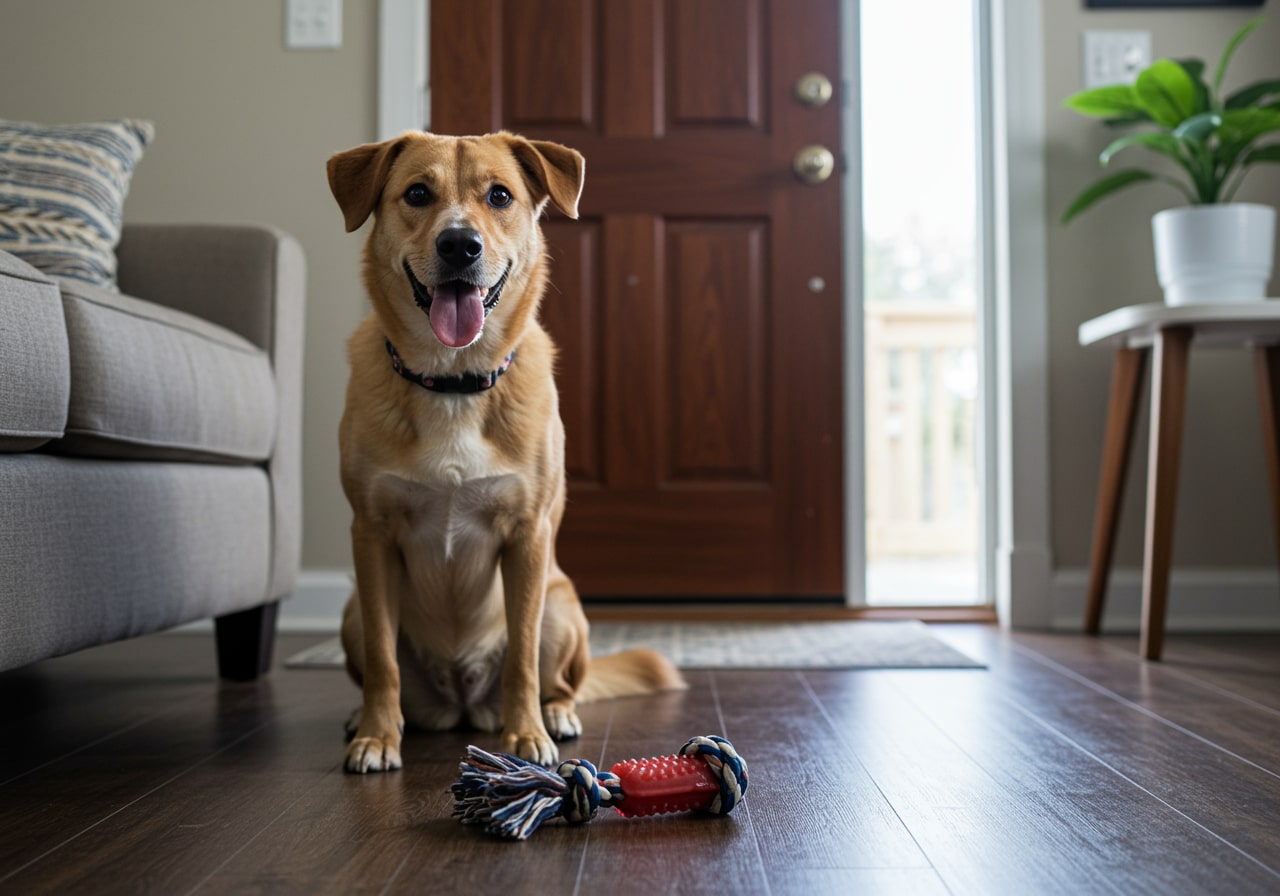
If you're asking yourself "how to help my dog with separation anxiety," you're not alone. Millions of dog owners struggle with the heartbreaking reality of watching their beloved pets become distressed when left alone. The good news is that separation anxiety is highly treatable with the right approach, patience, and consistency. Whether you're dealing with a puppy or adult dog, mild anxiety or severe distress, effective solutions exist to help your furry friend feel safe and secure.
This comprehensive guide will walk you through proven strategies to calm a dog's separation anxiety, from immediate relief techniques to long-term training protocols. You'll learn how to treat dogs with separation anxiety using evidence-based methods recommended by veterinary behaviorists, discover practical ways to stop destructive behaviors, and understand how to fix underlying issues causing your dog's distress. Let's explore the most effective approaches to help a dog with separation anxiety and restore peace to your household.
Understanding the Foundation: Why Your Dog Has Separation Anxiety
Before diving into treatment strategies, it's crucial to understand what you're dealing with. Separation anxiety isn't simply bad behavior or lack of training—it's a genuine panic disorder where dogs experience extreme distress when separated from their attachment figures. Recognizing this as a medical and behavioral condition rather than disobedience fundamentally changes how you approach treatment.
Common Triggers and Contributing Factors
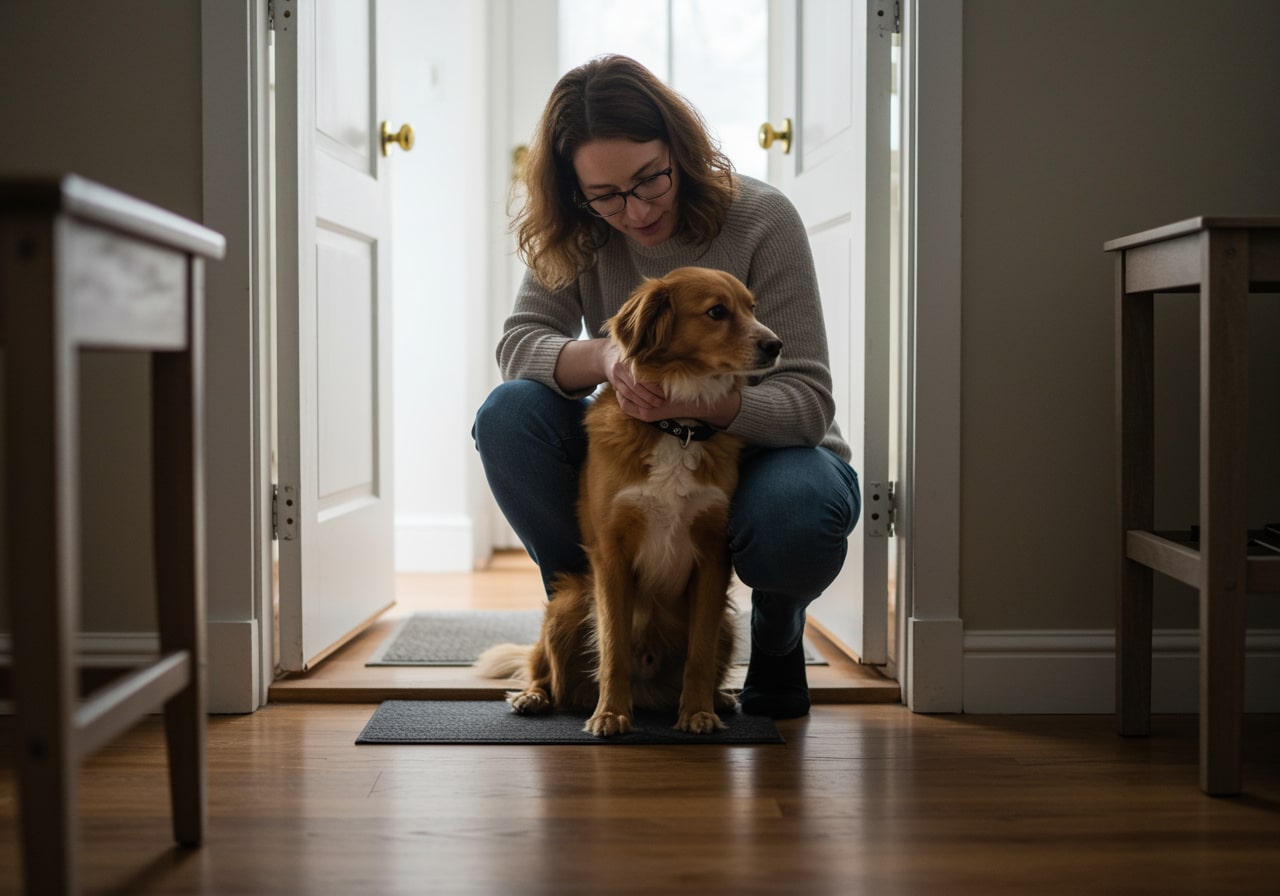
Several factors can contribute to separation anxiety in dogs. Changes in routine, such as returning to office work after working from home, can trigger anxiety in dogs who've become accustomed to constant companionship. Major life transitions including moves, new family members, or loss of another pet can destabilize a dog's sense of security. Lack of proper socialization during puppyhood may result in overdependence on owners. Previous traumatic experiences like abandonment, rehoming, or shelter stays create deep-seated fears of being left alone. Additionally, certain breeds with strong attachment tendencies are more predisposed to developing separation anxiety.
Step 1: Create a Safe and Calm Environment
The physical environment plays a significant role in how to calm a dog with separation anxiety. Creating a space where your dog feels secure forms the foundation for all other interventions.
Designate a Comfort Zone
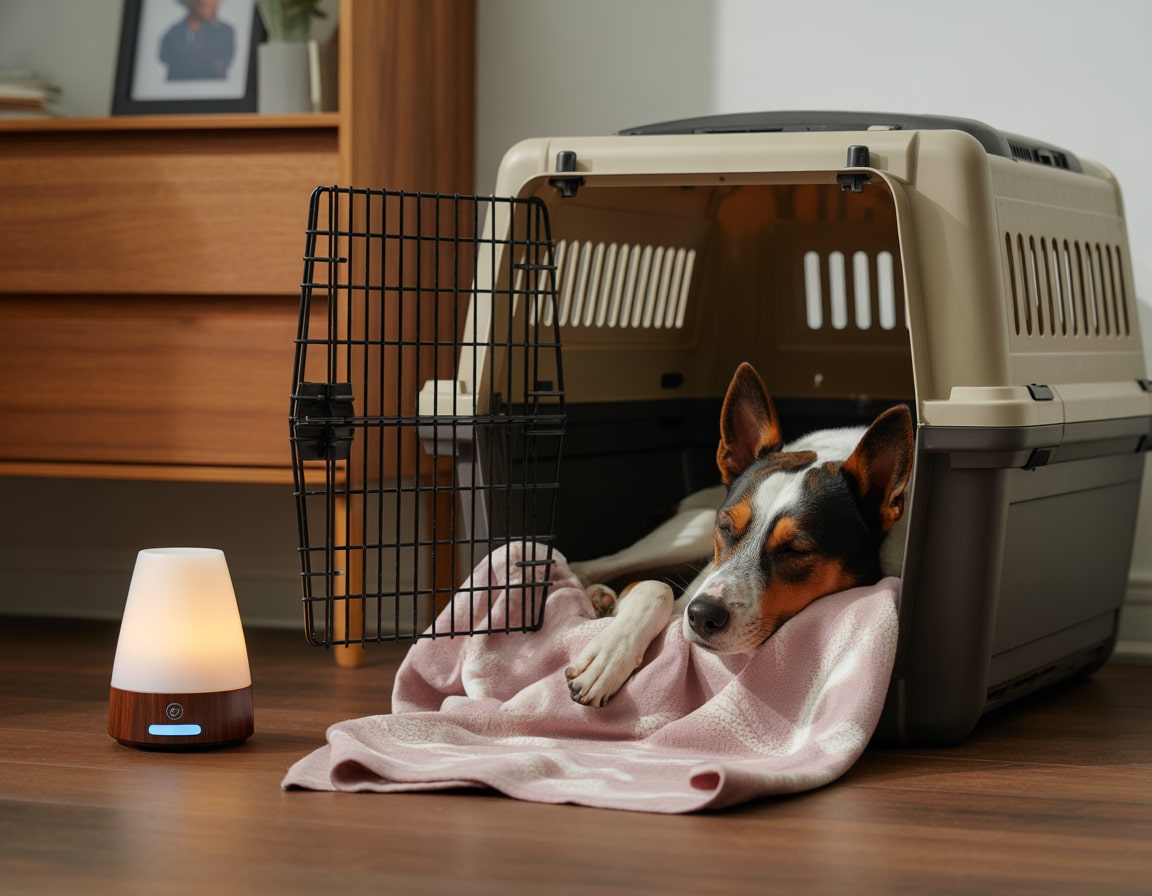
Choose a specific area in your home as your dog's safe space. This could be a crate (if properly introduced and viewed positively), a specific room, or a corner with their bed. Make this space inviting by including comfortable bedding with your scent on it, such as an old t-shirt. Add favorite toys and safe chew items to provide distraction and comfort. Consider using pheromone diffusers like Adaptil that emit calming dog-appeasing pheromones. Ensure the area has good ventilation and comfortable temperature, and minimize external stimuli that might cause additional stress.
Environmental Enrichment Strategies
Providing mental stimulation helps redirect anxious energy into productive activity. Leave puzzle feeders or Kong toys stuffed with treats to keep your dog occupied during alone time. Rotate toys regularly to maintain novelty and interest. Set up a window perch if your dog enjoys watching outside activity (but avoid this if outdoor stimuli increase anxiety). Use white noise machines or calming music specifically designed for dogs to mask triggering sounds. Some dogs benefit from leaving a TV or radio on for background noise and the illusion of presence.
Step 2: Implement Gradual Desensitization Training
Desensitization is the gold standard for how to treat dogs with separation anxiety. This systematic approach teaches your dog that being alone is safe, temporary, and not threatening. The key is progressing slowly enough that your dog never becomes anxious during the process.
The Systematic Desensitization Protocol
Start with pre-departure cues—the signals that tell your dog you're leaving. Identify what triggers your dog's anxiety: picking up keys, putting on shoes, grabbing your coat, or picking up your bag. Practice these cues without actually leaving. Pick up your keys, then sit back down. Put on your coat, walk around, then take it off. Repeat these actions multiple times daily until they no longer trigger anxiety responses.
Next, practice brief absences. Begin with durations so short your dog doesn't have time to become anxious—sometimes just 5-10 seconds. Step out of sight, immediately return, and reward calm behavior. Gradually increase duration: 15 seconds, 30 seconds, one minute, and so on. Progress only when your dog remains calm at the current level. If anxiety appears, you've progressed too quickly—return to shorter durations. This process takes weeks or months, not days. Patience is essential.
Building Alone Time Tolerance
Once your dog tolerates brief out-of-sight absences, progress to actual departures. Step outside your door for a few seconds, then return. Gradually extend time outside the home, always returning before anxiety develops. Mix up departure lengths—sometimes very short, sometimes longer—to prevent predictability. Practice at different times of day to generalize the learning. Ensure some "practice departures" where you return quickly even when you could stay longer, teaching your dog that departures don't always mean extended absence.
Step 3: Modify Your Departure and Arrival Routines
How you leave and return significantly impacts your dog's anxiety levels. Many well-meaning owners inadvertently reinforce anxious behavior through their departure and arrival rituals.
Low-Key Departures
Avoid making departures a big emotional event. Don't give long goodbyes, excessive petting, or say things like "I'll be back soon, be a good boy!" This draws attention to your leaving and validates that it's something to worry about. Instead, practice calm, matter-of-fact departures. Give your dog something valuable (like a stuffed Kong) 5-10 minutes before leaving. Leave quietly without fanfare or eye contact. Establish a simple, consistent pre-departure routine that doesn't escalate emotion.
Calm Arrivals
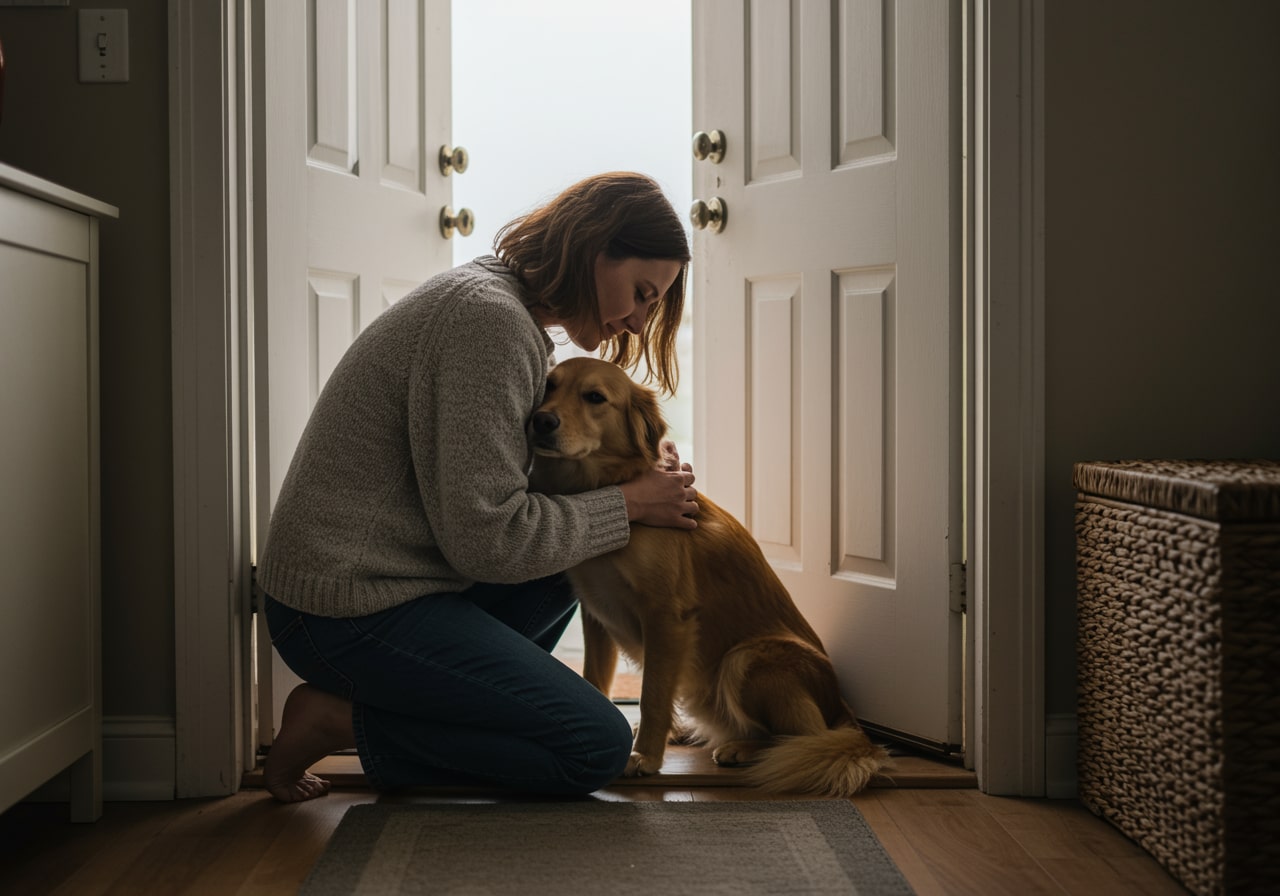
Similarly, avoid overly enthusiastic greetings when you return. Ignore your dog for the first 5-10 minutes after arriving home—no eye contact, no talking, no petting. This might seem harsh, but it teaches your dog that your comings and goings are no big deal. Once your dog has settled and is calm, then provide quiet attention and affection. This approach reduces the dramatic contrast between your presence and absence, making alone time less stressful.
Step 4: Exercise and Mental Stimulation
Physical exercise and mental enrichment are crucial components of how to stop dog separation anxiety. A tired dog is generally a calmer dog, with less excess energy to direct toward anxious behaviors.
Pre-Departure Exercise Routine
Schedule vigorous exercise 30-60 minutes before departure times. The type of exercise depends on your dog's age, breed, and fitness level—walks, runs, fetch, swimming, or play sessions. Include mental exercise through training sessions, puzzle toys, or scent work, as mental fatigue is as valuable as physical tiredness. Time exercise so your dog has a chance to settle down before you leave—exercising immediately before departure can leave them too stimulated.
Daily Enrichment Activities
Beyond pre-departure exercise, incorporate daily enrichment to reduce overall anxiety levels. Use food puzzles and slow feeders to make meals last longer and provide mental challenge. Practice basic obedience training to build confidence and strengthen your bond. Provide appropriate chew items like bully sticks, dental chews, or appropriate bones. Engage in interactive play sessions multiple times daily. Consider enrolling in activities like agility, nosework, or obedience classes for additional stimulation and socialization.
Step 5: Counter-Conditioning Techniques
While desensitization teaches dogs that being alone is safe, counter-conditioning creates positive associations with alone time. This dual approach is particularly effective for how to calm a dog's separation anxiety.
Creating Positive Associations
Reserve special treats or toys exclusively for alone time—high-value items your dog receives only when you leave. Stuffed Kongs frozen with peanut butter, wet food, or other favorites work wonderfully. Long-lasting chews like bully sticks or frozen marrow bones keep dogs occupied. Puzzle toys dispensing treats provide mental stimulation. These special items should appear only during departures and disappear when you return, making your absence predict good things.
Gradual Independence Building
Even when you're home, practice periods of separation. Use baby gates to create barriers while maintaining visual contact. Gradually increase physical distance by working in different rooms. Practice "stay" commands while you move around the house. Teach your dog to settle on their bed or mat while you're busy. This builds independence and teaches that not being directly next to you is normal and safe, even when you're home.
How to Stop Puppy Separation Anxiety: Early Intervention
Puppies represent a special case where prevention is easier than treatment. If you're wondering how to stop puppy separation anxiety before it becomes severe, early intervention is key.
Puppy-Specific Strategies
Start independence training from day one—don't allow your puppy to follow you everywhere constantly. Use crate training positively, making the crate a safe, comfortable space, never punishment. Practice alone time in very short increments from the beginning, even just stepping into another room briefly. Socialize your puppy extensively during the critical period (8-16 weeks) to build confidence. Establish consistent routines so puppies know what to expect. Avoid making departures and arrivals dramatic events, treating them casually from the start.
What to Avoid with Puppies
Don't reinforce clingy behavior by constantly picking up or comforting a whining puppy. Avoid allowing your puppy to sleep in your bed initially if you don't want this long-term. Don't rush back every time your puppy cries—wait for quiet moments to return. Resist the urge to take your puppy everywhere with you, as this prevents independence development. Never use the crate as punishment, which creates negative associations.
How to Help a Dog with Separation Anxiety at Night
Nighttime presents unique challenges, as darkness, quiet, and prolonged absence combine to trigger anxiety. Specific strategies address these nocturnal concerns.
Nighttime-Specific Solutions
Consider bedroom proximity—allowing your dog to sleep in your bedroom (but not necessarily in your bed) can reduce nighttime anxiety significantly. Use nightlights to reduce darkness-related fears, especially for senior dogs with vision problems. Establish a calming bedtime routine with the same sequence of events each night. Ensure your dog has had adequate exercise during the day and a final bathroom break before bed. Provide a comfortable sleeping area with orthopedic bedding for older dogs. Use white noise or calming music to mask household and outdoor sounds.
When to Seek Professional Help and Consider Medication
Sometimes, despite best efforts, professional intervention becomes necessary. Knowing when to seek help is crucial for your dog's wellbeing.
Signs You Need Professional Support
Consult a veterinarian or certified veterinary behaviorist if your dog's anxiety is severe or includes self-harm behaviors. If there's no improvement after 4-6 weeks of consistent training effort, professional guidance can identify what you're missing. When anxiety prevents you from maintaining normal life activities, expert intervention is warranted. If you're feeling overwhelmed or unsure how to proceed, professional support provides structure and encouragement.
Medication as a Treatment Tool
Anti-anxiety medication isn't "giving up"—it's often a valuable component of comprehensive treatment. Medication can reduce anxiety enough that dogs can actually learn from behavior modification, something impossible when panic overwhelms their ability to think. Common medications include SSRIs like fluoxetine for long-term management, situational medications like trazodone for specific events, and natural supplements like L-theanine or CBD products. Always work with your veterinarian to determine if medication is appropriate and which type best suits your dog's needs. Medication works best when combined with behavior modification, not as a standalone solution.
Common Mistakes to Avoid
Understanding what not to do is as important as knowing effective strategies. Avoid these common pitfalls when learning how to deal with a dog with separation anxiety.
Counterproductive Approaches
Never punish anxious behavior—your dog isn't being bad, they're genuinely distressed. Punishment increases anxiety and damages trust. Don't progress too quickly through desensitization—moving faster than your dog can handle causes setbacks. Avoid inconsistency in your approach—every family member must follow the same protocols. Don't get another dog thinking it will fix separation anxiety—this often makes things worse or creates two anxious dogs. Resist the temptation to comfort your dog during panic—this can inadvertently reinforce the behavior.
Measuring Progress and Staying Motivated
Treating separation anxiety is a marathon, not a sprint. Progress can be slow and sometimes includes setbacks. Staying motivated requires recognizing small improvements and maintaining realistic expectations.
Tracking Improvement
Keep a daily journal documenting your dog's behavior, duration of alone time tolerated, and anxiety levels. Use video monitoring to observe your dog's behavior when you're gone—you might be surprised to find they settle faster than you think. Celebrate small victories—an extra 30 seconds of calm alone time is real progress. Remember that setbacks happen and don't mean failure—stress, illness, or environmental changes can temporarily increase anxiety. Adjust your timeline expectations—severe separation anxiety can take months to resolve significantly.
Long-Term Management and Prevention
Once you've made progress in how to fix a dog with separation anxiety, maintaining gains requires ongoing effort. Separation anxiety can resurface during stressful times if not carefully managed.
Preventing Relapse
Continue practicing alone time regularly, even when not necessary. Maintain consistent routines as much as possible. Stay alert for early signs of regression and address them immediately. During stressful periods (holidays, moves, schedule changes), provide extra support. Don't assume your dog is "cured" and can suddenly handle situations they couldn't before—progress gradually.
Conclusion: Your Path Forward
Learning how to help your dog with separation anxiety requires dedication, patience, and consistency, but the rewards—a calmer, happier dog and peaceful departures—are absolutely worth the effort. Remember that separation anxiety is a treatable condition, not a permanent sentence. Whether you're working with a puppy or adult dog, implementing gradual desensitization, creating positive associations, and modifying your routines will yield results.
The most important takeaway is to progress at your dog's pace, not yours. Slow, steady progress beats rushing and experiencing setbacks. Celebrate small victories, forgive temporary regressions, and don't hesitate to seek professional help when needed. Your commitment to helping your dog overcome their anxiety demonstrates the depth of your love and dedication to their wellbeing.
Ready to start helping your anxious dog today? Begin with just one strategy from this guide—perhaps creating a safe space or practicing pre-departure cues—and build from there. Every small step moves you closer to the day when leaving home is no longer a source of distress for your beloved companion. You've got this, and your dog is lucky to have you in their corner.
Key Takeaways
- Separation anxiety is a treatable panic disorder requiring patience and systematic intervention
- Gradual desensitization is the gold standard treatment—progress slowly to avoid setbacks
- Create a safe environment with enrichment activities to keep your dog occupied during alone time
- Practice low-key departures and arrivals to reduce the emotional intensity of your comings and goings
- Combine exercise, mental stimulation, and counter-conditioning for comprehensive treatment
- Professional help and medication are valuable tools when anxiety is severe or not improving
- Early intervention with puppies prevents separation anxiety from becoming severe