
Key Takeaways
- Building trust with a fearful or unfamiliar dog requires patience - expect 2-8 weeks for significant progress
- Let the dog set the pace - forcing interaction creates fear, not trust
- Predictability and routine are more important than affection for creating a sense of safety
- Body language and energy matter more than words when establishing comfort
- Food can be a powerful trust-building tool when used correctly
- Different types of fearful dogs (rescued, abused, shy) require tailored approaches
Understanding Why Dogs Feel Uncomfortable
Before you can make a dog comfortable with you, it's crucial to understand what's causing their discomfort. Dogs aren't naturally fearful of humans - something has created this response.
Common Reasons for Dog Discomfort
Lack of Socialization: Dogs have a critical socialization period between 3-14 weeks. If they didn't have positive experiences with various people during this time, they may be fearful of humans in general or specific types of people (men, children, people in hats, etc.).
Previous Trauma or Abuse: Dogs who've been mistreated, neglected, or abused often develop fear responses to people. They may be particularly wary of certain gestures (raised hands), loud voices, or specific demographics that remind them of their abuser.
Recent Rehoming or Shelter Experience: Even dogs from good situations can be stressed and uncomfortable after losing their familiar environment and people. Grief, confusion, and uncertainty manifest as wariness.
Genetics and Temperament: Some dogs are naturally more cautious or anxious. Certain breeds and bloodlines tend toward shyness, particularly if breeding didn't prioritize stable temperament.
Medical Issues: Pain, neurological problems, vision/hearing impairment, or cognitive dysfunction can cause dogs to be uncomfortable with approach and touch. Always rule out medical causes with a veterinary exam.
How to Make a Dog Feel Safe: The Foundation
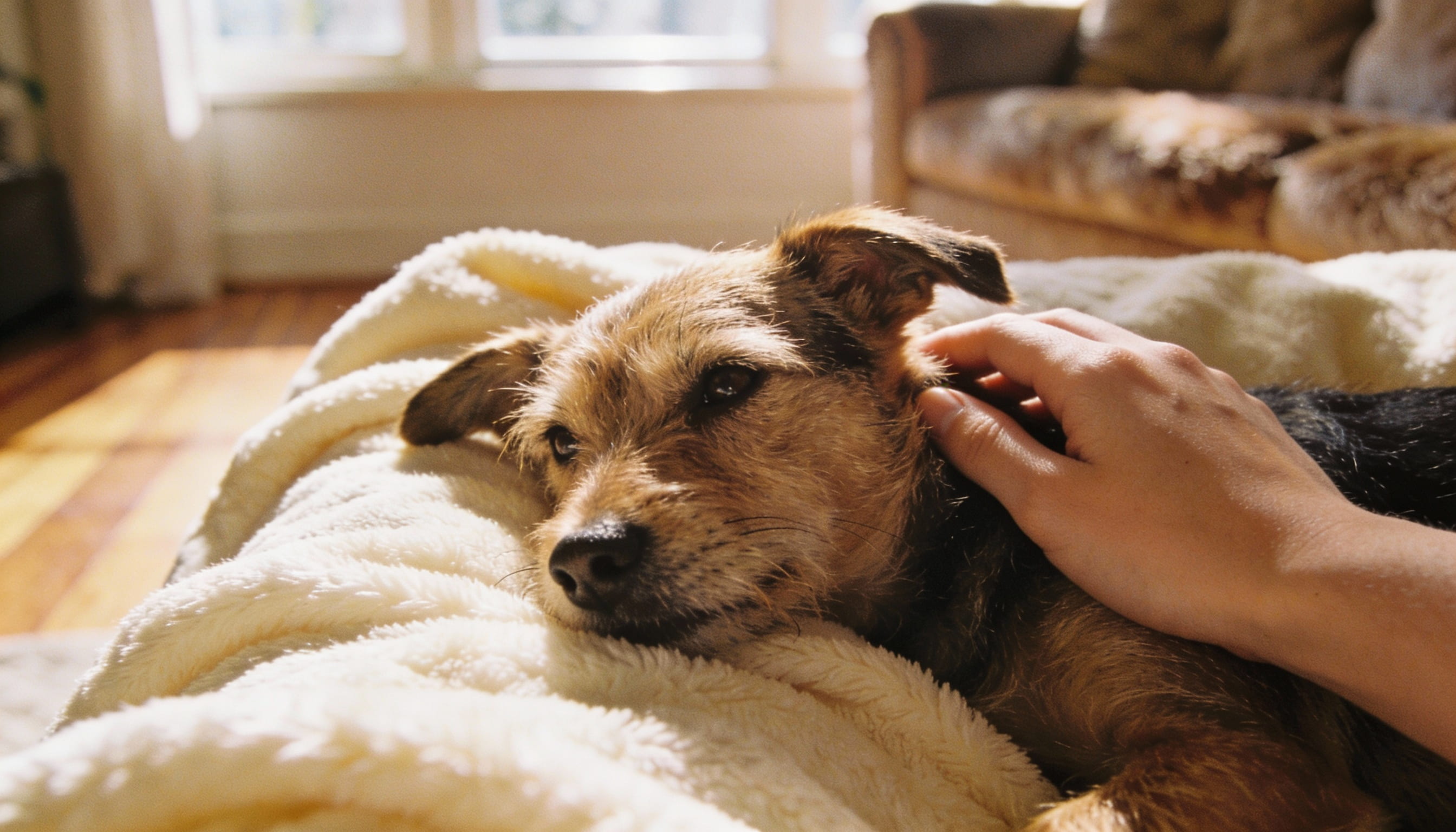
Safety is the prerequisite for comfort. A dog who doesn't feel safe cannot relax enough to build trust.
The Rule of Two Weeks
When bringing a new dog home, follow the "Rule of Two Weeks": For the first two weeks, prioritize creating a safe, predictable environment over bonding activities.
- Consistent Routine: Feed, walk, and interact at the same times every day. Predictability reduces anxiety.
- Safe Space: Provide a designated area (crate, bed in quiet corner, or specific room) where the dog is never bothered - not by people, other pets, or children.
- Minimal Pressure: Avoid forcing interaction, excessive touching, or overwhelming the dog with visitors and new experiences.
- Basic Needs First: Focus on meeting physical needs (food, water, bathroom, exercise) reliably before expecting emotional bonding.
Body Language That Creates Comfort
Your body language communicates more to dogs than your words. To appear non-threatening:
- Avoid Direct Eye Contact: Staring is threatening in dog language. Instead, use soft eyes and look past the dog rather than directly at them.
- Turn Sideways: Facing a fearful dog head-on is confrontational. Approach from the side or at an angle, presenting your side profile.
- Move Slowly: Quick movements trigger fear responses. Move deliberately and calmly around fearful dogs.
- Lower Your Height: Crouching or sitting makes you less intimidating, but avoid looming over the dog. Sit on the floor or on furniture at their level.
- Give Space: Maintain a distance that keeps the dog below threshold - if they're showing stress signals, you're too close.
- Relaxed Posture: Keep your body loose and relaxed, not tense. Dogs read tension as threat.
Recognizing Stress Signals
Learn to identify when a dog is uncomfortable so you can back off before fear escalates:
- Whale eye (showing whites of eyes)
- Lip licking, yawning, or panting when not hot/tired
- Ears pinned back
- Tucked tail
- Lowered body posture or crouching
- Averted gaze or looking away
- Trembling or shaking
- Attempting to hide or retreat
- Freezing or going still
If you see these signals, immediately give the dog more space and reduce pressure.
How to Get a Dog to Warm Up to You: Active Techniques
Once you've created a safe foundation, these techniques actively build positive associations with your presence.
Hand-Feeding and Treat Association
Food is one of the most powerful tools for building trust. Here's how to use it effectively:
Phase 1 - Distance Feeding (Days 1-7):
- Sit on the floor across the room from the dog
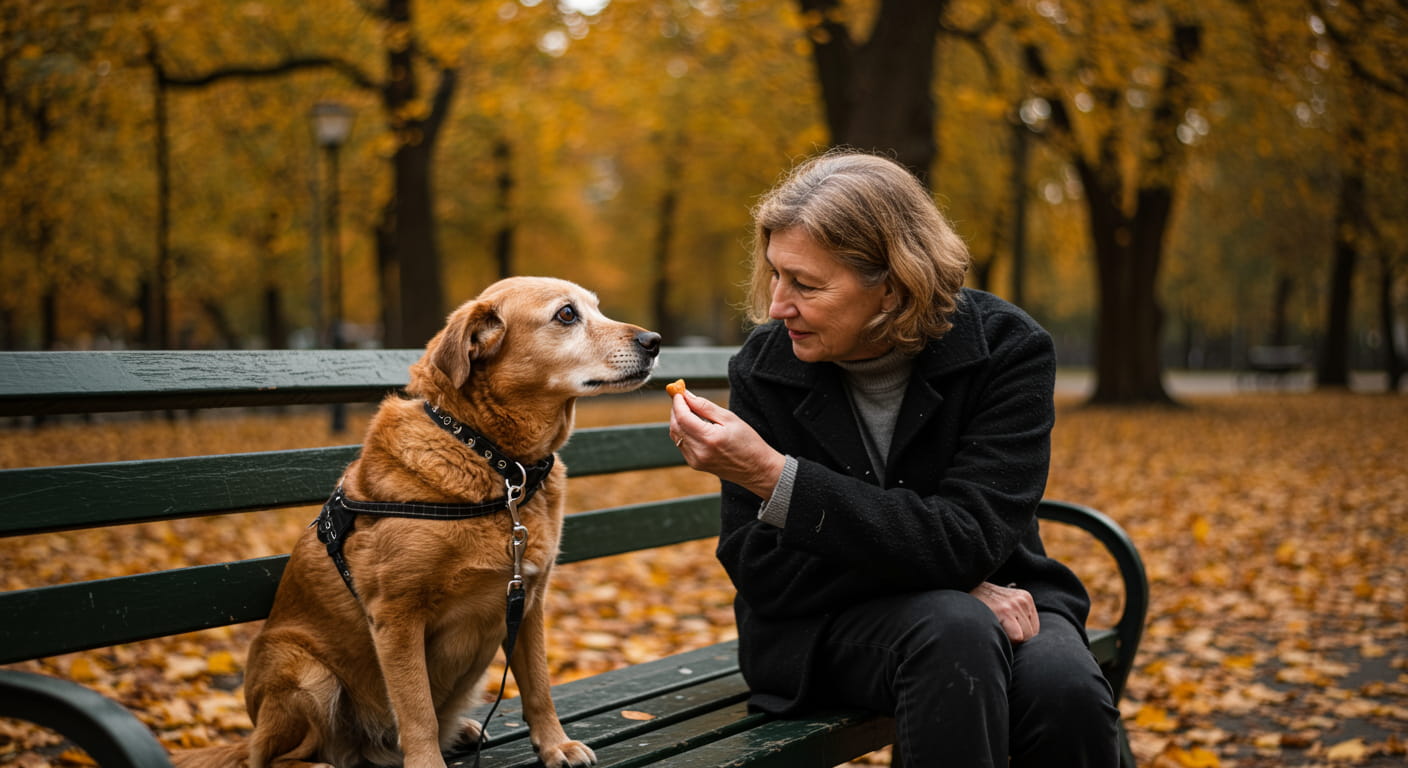
- Toss high-value treats (real chicken, cheese, freeze-dried liver) toward them without looking directly at them
- After they eat, toss another. Repeat 10-15 times
- Gradually toss treats closer to you, but never force the dog to approach if they're uncomfortable
- End sessions before the dog becomes stressed - always leave them wanting more
Phase 2 - Reduced Distance (Week 2):
- Reduce the distance between you before starting treat tosses
- Allow the dog to approach you for treats rather than always tossing them
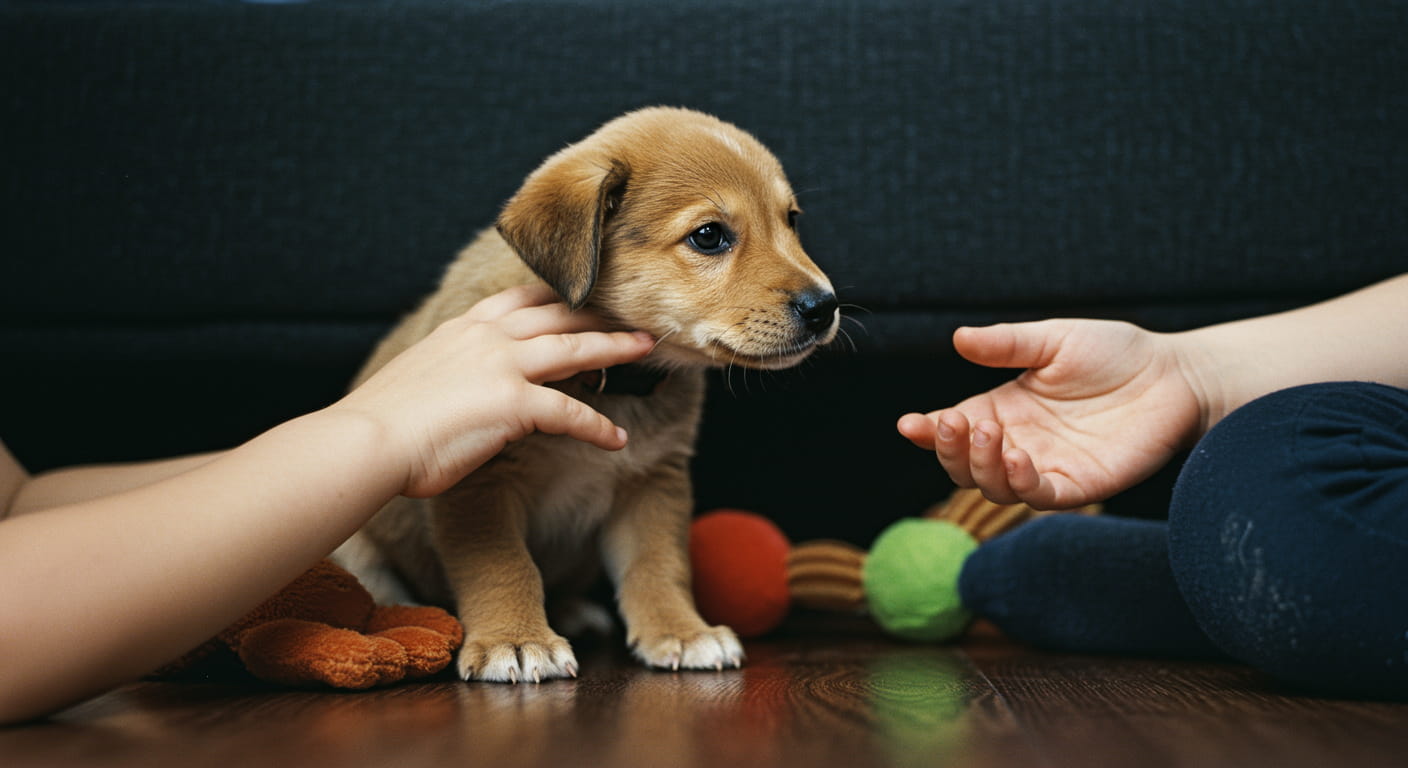
- Extend your hand with a treat visible but don't move toward them - let them come to you
- The moment they take the treat, calmly praise and offer another
Phase 3 - Hand Feeding (Week 3+):
- Hold treats in your closed hand and let the dog sniff and lick your hand
- Open your hand to reveal the treat when they show interest
- Eventually progress to feeding meals by hand, one piece at a time
- This creates incredibly strong positive associations with your hands and presence
The "Ignore to Connect" Paradox
Counterintuitively, ignoring a fearful dog often helps them warm up faster than actively trying to befriend them:
- When in the same room, read a book, watch TV, or do work rather than focusing on the dog
- Don't speak to them, look at them, or try to pet them
- Occasionally, without looking directly at the dog, toss a treat in their direction
- This approach removes all pressure, allowing the dog's natural curiosity to bring them closer on their own terms
- Many dogs will approach and initiate contact when they realize you're not pursuing them
Become the Predictor of Good Things
Make yourself predictably associated with positive experiences:
- Mealtime Provider: Always be the person who feeds the dog. Hand-feeding is even better.
- Walk Initiator: Be the one who leashes up and takes them to enjoy outdoor time.
- Treat Dispenser: Randomly give treats throughout the day when you pass by the dog (without requiring interaction).
- Play Facilitator: If the dog enjoys toys, initiate gentle play sessions at their comfort level.
- Freedom Grantor: Be the person who opens doors to yards, lets them out of crates for fun activities, etc.
The goal is for your presence to predict good things, creating positive emotional associations.
Parallel Activities (Side-by-Side Bonding)
Doing activities side-by-side builds connection without the pressure of direct interaction:
- Parallel Walking: Walk next to the dog (not pulling them along) in silence or while talking calmly. Don't demand attention - just share the experience.
- Shared Space: Spend time in the same room doing separate activities. You read, they chew a toy. Proximity without pressure builds familiarity.
- Training Basics: Once the dog shows some comfort, teaching simple commands (sit, down) through positive reinforcement builds cooperation and communication.
Special Considerations for Different Scenarios
Rescued or Shelter Dogs
Dogs from shelters or rescue situations often experience the "3-3-3 Rule":
- 3 Days: Overwhelmed, may not eat/drink normally, hiding is common. Focus entirely on safety and routine.
- 3 Weeks: Starting to settle in, showing more of their personality, learning household rules. Trust-building accelerates here.
- 3 Months: Fully comfortable, true personality emerges, trust is well-established. The relationship continues deepening from here.
Understanding this timeline prevents unrealistic expectations. A dog who seems uncomfortable in week one may be wonderfully bonded by month two.
Dogs with Abuse Histories
These dogs require extra patience and specific considerations:
- Never Force Anything: Forcing touch, proximity, or interaction can re-traumatize. Everything must be at the dog's pace.
- Avoid Triggering Gestures: If the dog cowers when hands are raised, always approach with hands low and move slowly.
- Gender Considerations: Some abused dogs are specifically fearful of men or women. The person they fear should take the most passive role initially.
- Professional Help: Consider working with a veterinary behaviorist who specializes in fear and anxiety. Medication may help in severe cases.
- Realistic Expectations: Some dogs never fully overcome severe trauma. Your goal is improvement and quality of life, not perfection.
Naturally Shy or Anxious Dogs
Some dogs are genetically predisposed to wariness:
- Accept Their Personality: Don't try to force a shy dog to become a social butterfly. Respect their nature.
- Confidence Building: Training tricks, nosework, and activities where they succeed builds general confidence that transfers to social comfort.
- Controlled Exposure: Gradually expose to new people at the dog's pace, always rewarding calm behavior around strangers.
- Safe Socialization: Arrange meetings with calm, dog-savvy people rather than overwhelming parties or chaotic environments.
What NOT to Do
These common mistakes can destroy trust rather than build it:
- Don't Force Physical Contact: Grabbing, restraining, or petting a fearful dog before they're ready creates more fear, not trust.
- Don't Punish Fear: Scolding, yelling at, or correcting a fearful dog's anxious behaviors makes anxiety worse.
- Don't Flood Them: "Flooding" (overwhelming exposure to their fear until they give up) is traumatic and can cause severe psychological damage.
- Don't Use Dominance Tactics: Alpha rolls, scruff shakes, and other dominance-based methods terrify fearful dogs and destroy any developing trust.
- Don't Rush the Process: Trust can't be forced on a timeline. Pushing too fast sets you back further than taking it slow.
- Don't Take It Personally: A dog's fear isn't about you - it's about their history and genetics. Remain patient and understanding.
Building Long-Term Trust
Once initial comfort is established, these practices maintain and deepen trust:
- Consistency: Be predictable in your behavior, routines, and responses to the dog
- Respect Boundaries: If the dog indicates they need space, always honor that
- Continue Positive Associations: Keep pairing your presence with good things even after trust is established
- Learn Their Language: Become fluent in reading their body language and communication
- Advocate for Them: Protect them from overwhelming situations and people who don't respect their boundaries
- Quality Time: Engage in activities they enjoy, whether that's walks, training, play, or quiet companionship
Timeline Expectations
Every dog is different, but general timelines help set realistic expectations:
- Confident, well-socialized dogs: 1-3 days to show comfort with new people
- Moderately shy dogs: 1-3 weeks to warm up to specific individuals
- Fearful or under-socialized dogs: 4-8 weeks for significant trust development
- Severely traumatized dogs: 3-6 months for basic trust, potentially years for full comfort
- Dogs with genetic anxiety: Ongoing process; may always be somewhat reserved but can absolutely form strong bonds
Progress isn't always linear - expect good days and setbacks, especially during the first few months.
When to Seek Professional Help
Consult a certified professional dog trainer (CPDT-KA) or veterinary behaviorist if:
- The dog shows aggression (growling, snapping, biting) when approached
- Fear is so severe the dog won't eat, drink, or function normally after 2 weeks
- You've made no progress after 8 weeks of consistent, appropriate efforts
- The dog's quality of life is severely impacted by their fear
- You feel overwhelmed, frustrated, or unable to remain patient
In severe cases, anti-anxiety medication prescribed by a veterinary behaviorist can help the dog be calm enough to benefit from behavior modification training.
Related Articles
Final Thoughts
Making a dog comfortable with you is one of the most rewarding aspects of dog ownership, but it requires patience, empathy, and understanding. Every fearful or shy dog is capable of forming deep, trusting bonds - they simply need time and the right approach.
The most important principle to remember is that trust cannot be forced or rushed. It must be earned through consistent, gentle, predictable behavior that respects the dog's boundaries and emotional state. Some of the strongest human-dog bonds are between people and dogs who started out fearful, precisely because the human demonstrated they were trustworthy through patient, respectful interaction.
Celebrate small victories - the first time a fearful dog takes a treat from your hand, the first tail wag, the first time they approach you voluntarily. These moments are milestones worth acknowledging. With time, consistency, and compassion, even the most frightened dog can learn that you are safe, predictable, and someone worth trusting.
For additional guidance on helping anxious dogs feel more secure, see our comprehensive guide on teaching your dog to relax.