
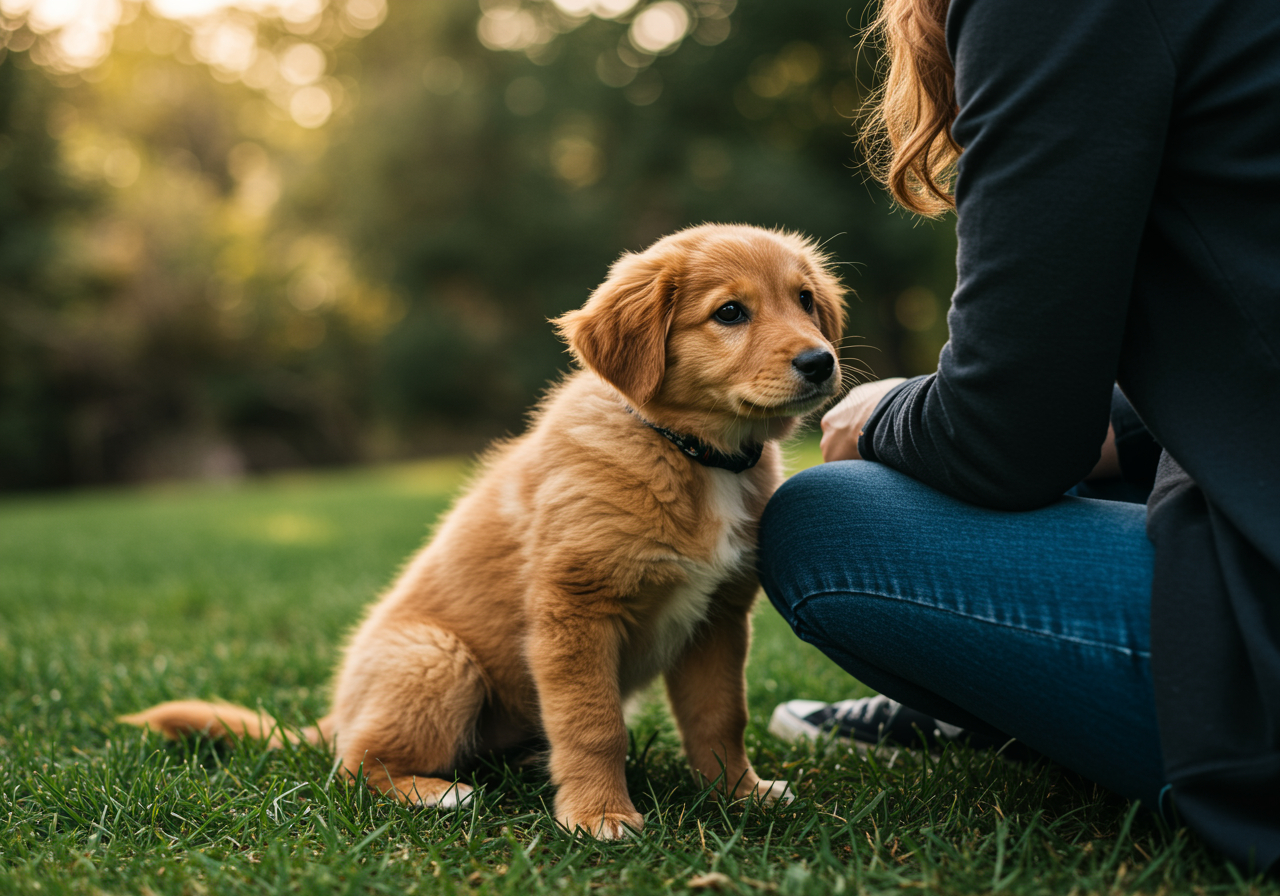
The heart-wrenching sound of your puppy crying when you leave is one of the most challenging aspects of early puppy ownership. Whether it's an 8 week old puppy crying when you leave the room, a 12 week old puppy having a meltdown in their crate, or your puppy whining every time you step out of sight, this behavior signals genuine distress that needs addressing. The good news? With the right understanding and training techniques, you can help your puppy feel secure and confident during your absences.
This comprehensive guide explores why puppies cry when you leave, addresses age-specific crying challenges, and provides proven training methods to stop the crying behavior. Understanding why your dog cries when you leave is the first step toward creating a calm, confident puppy who can handle alone time without distress.
Why Does My Puppy Cry When I Leave? Understanding the Root Causes
Before you can effectively stop your puppy from crying, it's crucial to understand the underlying reasons for this behavior. Puppy crying isn't manipulation or bad behavior—it's genuine emotional distress rooted in biology and development.
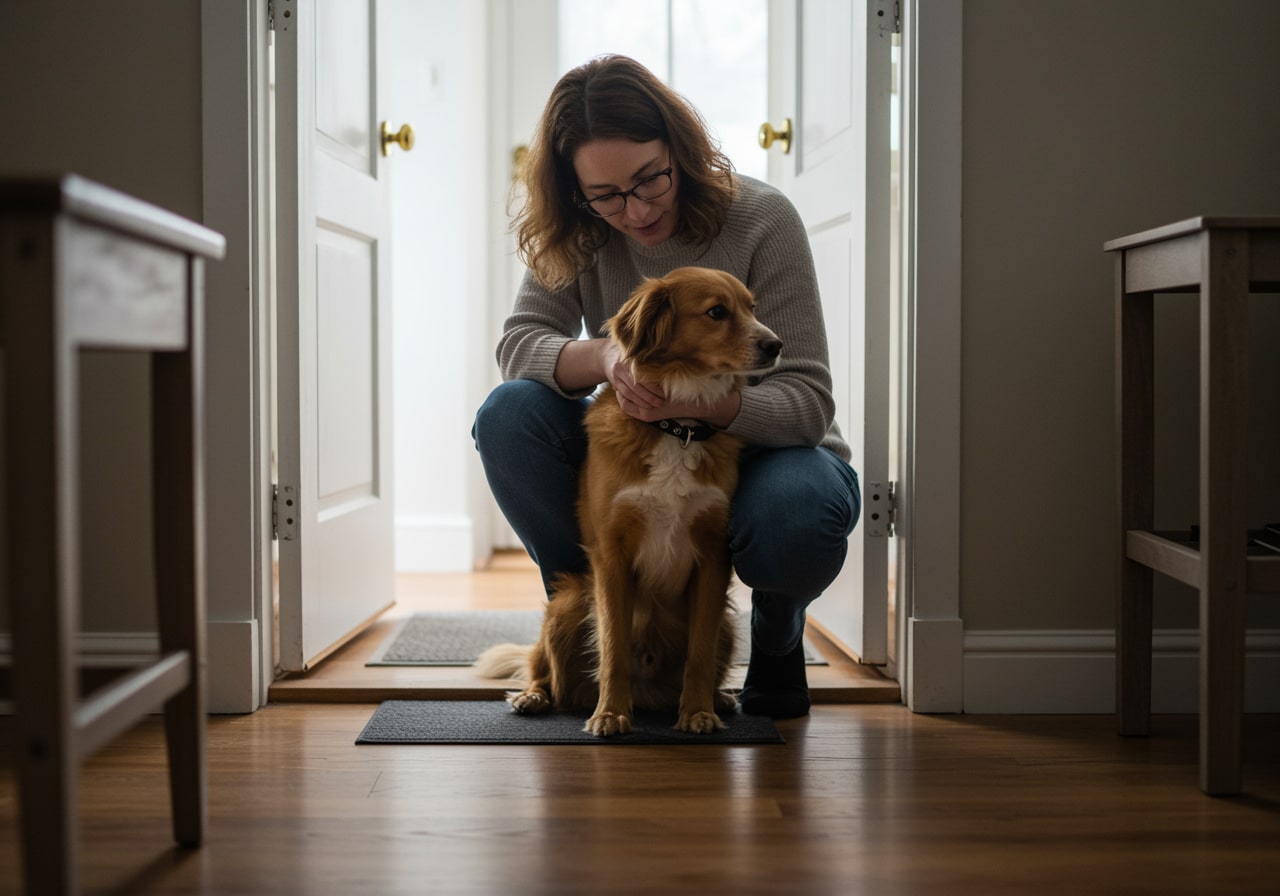
Developmental Reasons: Why Dogs Cry When You Leave
Puppies are born completely dependent on their mother and littermates. For the first 8-12 weeks of life, they're never alone—they eat together, sleep in a warm puppy pile, and spend every moment with their family unit. When you bring your puppy home, you become their new family and source of security. Suddenly being alone represents a dramatic departure from everything they've known.
From an evolutionary perspective, why do dogs cry when you leave makes perfect sense. In the wild, a puppy separated from their pack is vulnerable to predators, cold, and hunger. Crying serves as a distress signal to reunite with the pack. Your puppy's instincts tell them that being alone equals danger, even though they're perfectly safe in your home.
Attachment and Bonding
As your puppy bonds with you, they develop a strong attachment. This attachment is healthy and normal—it's the foundation of your lifelong relationship. However, when attachment develops without concurrent independence training, it can lead to overdependence. Why does my dog cry when I leave becomes the central question because your puppy hasn't yet learned that temporary separations are normal and safe.
Puppies who spend every moment of their first days and weeks with their new owners often struggle more with separation. They haven't experienced the gradual learning that being alone is temporary and that you always return. This is why early alone-time training is so crucial—it teaches puppies that separation is a normal, non-threatening part of life.
Fear and Insecurity
Young puppies have limited life experience and haven't yet developed confidence in their ability to cope with various situations. When you leave, your puppy doesn't understand where you've gone, whether you'll return, or how to handle being alone. This uncertainty creates fear and insecurity, which manifests as crying, whining, or barking.
The environment itself can feel overwhelming to a solo puppy. Sounds they barely notice when you're present become alarming when they're alone—a door slamming, neighbors talking, traffic outside. Without your reassuring presence, these normal sounds can trigger anxiety and crying. Understanding these root causes helps you approach the problem with compassion rather than frustration.
Age-Specific Puppy Crying: What to Expect and Why
Puppies at different developmental stages cry for different reasons and require age-appropriate approaches. Understanding what's normal for your puppy's age helps you set realistic expectations and choose effective strategies.
8 Week Old Puppy Cries When I Leave the Room
At 8 weeks old, puppies are just beginning their journey into independence. An 8 week old puppy crying when you leave the room is completely normal and expected. At this age, puppies have extremely limited experience being alone—they've just been separated from their mother and littermates within the past few days or weeks.
Eight-week-old puppies have minimal impulse control, limited coping skills, and very short attention spans. They literally don't understand object permanence well—when you leave their sight, they're not sure you still exist. The crying you hear from an 8 week old puppy is genuine panic and fear, not manipulation.
For 8-week-old puppies, even leaving the room can trigger distress. Start training with extremely brief absences—10 to 30 seconds counts as valuable practice at this age. Use baby gates so your puppy can see you in the next room before progressing to visual barriers. Expect this phase to be challenging but remember it's temporary with consistent training. For more guidance on age-appropriate alone time, see our article on whether you can leave a puppy home alone at different ages.
12 Week Old Puppy Cries When I Leave the Room
By 12 weeks, puppies have made developmental progress but still have significant limitations. A 12 week old puppy crying when you leave the room has likely made some progress from 8 weeks but may still struggle, especially if alone-time training hasn't been consistently implemented.
At 12 weeks, puppies are developing more independence and confidence. They're better able to self-soothe and handle brief separations. However, they're also in the middle of their critical socialization period (8-16 weeks), making positive experiences especially important. Traumatic experiences with being alone during this period can create lasting anxiety issues.
Twelve-week-old puppies should be able to handle 1-2 hours alone if properly trained, though room-to-room separations might still trigger some whining initially. The key difference from younger puppies is their increased capacity to learn and adapt. Consistent training at this age yields faster progress than with 8-week-old puppies.
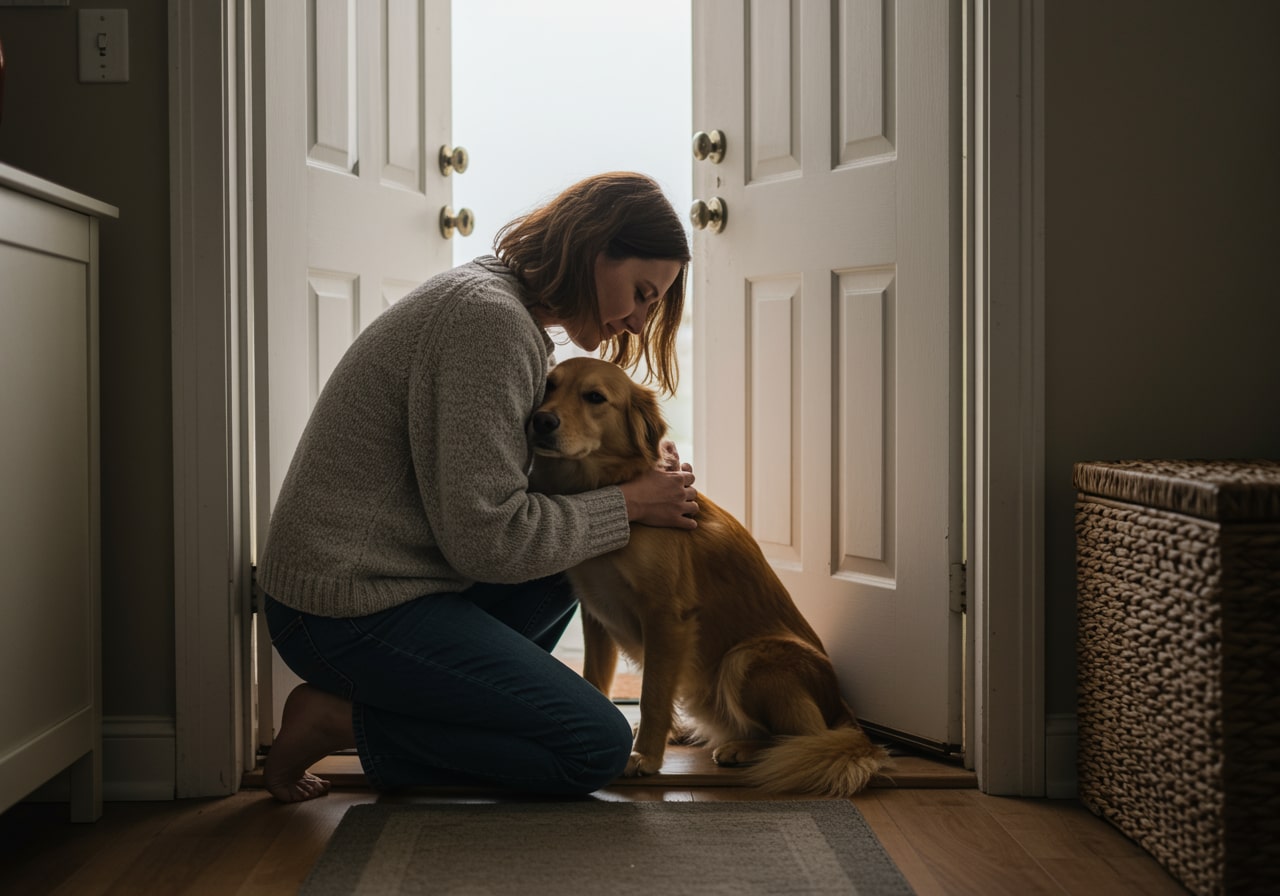
Adolescent Puppies (4-6 Months)
Puppies who handled separation well at 3 months sometimes suddenly struggle again during adolescence (typically 4-6 months and beyond). This regression is normal and frustrating—it doesn't mean you've failed or that previous training was wasted. Adolescent puppies are experiencing hormonal changes and brain development that can temporarily increase anxiety and reactivity.
During adolescence, why does my puppy cry when I leave becomes relevant again even if the behavior had improved. This is a testing phase where puppies push boundaries and regress in various trained behaviors. The good news is that with patience and consistency, this phase passes. Return to basics with shorter separations and more frequent positive reinforcement, and your puppy will regain their confidence.
Puppy Cries in Different Situations: Understanding the Context
Not all puppy crying is the same. Understanding the specific context—whether your puppy cries when you leave the room versus the house, or when in a crate versus free in a room—helps you target your training approach effectively.
Puppy Cries When I Leave the Room vs. Leaving the House
Many puppies show different responses depending on the type of separation. My puppy whines when I leave the room might describe brief vocalizations when you go to another room in the house, while the response to you leaving the house entirely may be more intense. This makes sense—when you're in another room, your puppy can likely hear and possibly smell you. When you leave the house, all those comforting cues disappear.
Address these scenarios separately in your training. Start with room-to-room separations using baby gates for visibility, then progress to closed doors, then to actually leaving the house. Each step should be mastered before moving to the next level. A puppy who handles you being in the bathroom might still struggle when you leave the property—these are different skills requiring separate practice.
Puppy Cries in Crate When I Leave the Room
When a puppy cries in crate when you leave the room, you're dealing with a combination of crate-related stress and separation anxiety. It's important to determine whether your puppy is uncomfortable with the crate itself or specifically with being alone in the crate.
Test this by spending time near the crate while your puppy is inside with the door closed. If they remain calm, the issue is separation-related. If they cry even with you present, the crate itself needs more positive conditioning. Never force a puppy who's terrified of their crate—this creates lasting negative associations. Instead, rebuild crate training from scratch using high-value treats, meals, and gradual acclimation.
For puppies who specifically cry in their crate when you leave, practice crate time while you're home first. Feed meals in the crate, provide special chew toys only available in the crate, and practice brief door-closed sessions while you're visible. Once your puppy is comfortable in the crate with you present, then begin leaving the room for very short periods. Our guide on stopping dogs from barking in crates provides additional strategies.
Puppy Whines When I Leave the Room: Whining vs. Full Crying
There's a spectrum of vocal distress from mild whining to full-on crying or screaming. When your puppy whines when you leave the room with brief, soft vocalizations that stop within a minute or two, this is often mild protest or adjustment. They're not happy you've left but can cope. Full crying, barking, howling, or screaming that continues for extended periods signals more significant distress.
Brief whining doesn't always require intervention—sometimes puppies need to learn to self-soothe through mild discomfort. However, if whining escalates to intense crying or continues for more than a few minutes, your puppy needs more gradual training. The goal is building tolerance, not forcing puppies to "cry it out" through severe distress.
Why Does My Puppy Cry When I Leave the Room Specifically?
The specific scenario of crying when you simply move to another room (rather than leaving the house) indicates your puppy hasn't developed "secure base" behavior. A secure base is the concept that your puppy feels confident exploring and being in different spaces because they trust you're still available when needed.
Hyperattachment Concerns
When puppies follow you everywhere and cry the moment you're out of sight, this can indicate hyperattachment or overdependence. While bonding is wonderful, your puppy also needs to develop independence and confidence. Hyperattached puppies often become anxious adult dogs who struggle with any separation.
Address hyperattachment by encouraging independent activities even when you're home. Provide puzzle toys or chews in one room while you're in another. Use baby gates to create visual barriers where your puppy can see you but isn't touching you. Reward calm, independent behavior rather than constant attention-seeking. This teaches your puppy that not every moment requires your direct interaction, building the foundation for comfortable alone time.
Building Room-to-Room Tolerance
For puppies who cry when you leave the room, systematic desensitization is key. Start by moving just slightly away—a few feet while staying in the same room. Reward calm behavior. Gradually increase distance within the room until you can move to the doorway. Next, step just out of sight for 1-2 seconds, immediately returning before crying starts. Very gradually extend these brief absences.
Use visual barriers like baby gates where your puppy can see you in the adjacent room. This provides reassurance while still creating separation. Once your puppy handles visual separation calmly, progress to closed doors. The entire process might take several weeks, but this gradual approach prevents the rehearsal of anxious behavior and builds genuine confidence.
How to Stop My Puppy from Crying When I Leave: Proven Training Techniques
Now that you understand why puppies cry when you leave, let's explore the most effective training techniques to address this behavior. These methods work for puppies of all ages, though you'll need to adjust pace and expectations based on developmental stage.
Gradual Desensitization: The Foundation
Gradual desensitization is the gold-standard approach for stopping puppy crying. This method systematically exposes your puppy to very brief, manageable separations and slowly increases duration as they develop confidence. The critical principle: always return before your puppy shows distress, not after.
Start with absences so brief they seem trivial—literally 5-10 seconds. Put your puppy in their designated area (crate, pen, or puppy-proofed room), step just out of sight, and immediately return. If your puppy remained calm, provide a treat and praise. Repeat this 5-10 times throughout the day. Once your puppy consistently stays calm, increase to 15-20 seconds, then 30 seconds, then 1 minute, and so on.
This process requires patience—you might spend several days at each duration level. However, this slow approach prevents anxiety from developing in the first place, which is far easier than treating established separation anxiety. Track your progress in a journal to maintain consistency and identify patterns.
Counter-Conditioning: Changing Emotional Response
Counter-conditioning changes your puppy's emotional response to your departures from negative (fear, anxiety) to positive (anticipation, happiness). You accomplish this by pairing your leaving with things your puppy loves.
Create a special "departure treat" that appears only when you leave. Frozen Kong toys stuffed with peanut butter, special high-value chews, or puzzle feeders filled with treats work excellently. The key is that this treat appears nowhere else in your puppy's life—it's exclusively associated with your departures. Give this treat 5-10 minutes before you actually leave so your puppy is happily engaged when you slip out.
Over time, your puppy begins to associate your leaving with this amazing treat. Their emotional response shifts from "Oh no, they're leaving!" to "Oh good, I get my special Kong!" This positive association makes departures less stressful and can even become something your puppy looks forward to.
Establishing Predictable Routines
Dogs thrive on predictability, and puppies especially benefit from consistent routines. Establish a pre-departure routine that's calm and predictable. This might include a bathroom break, brief play session, the departure treat, and then your departure. Following the same sequence every time helps your puppy understand what's happening and reduces anxiety.
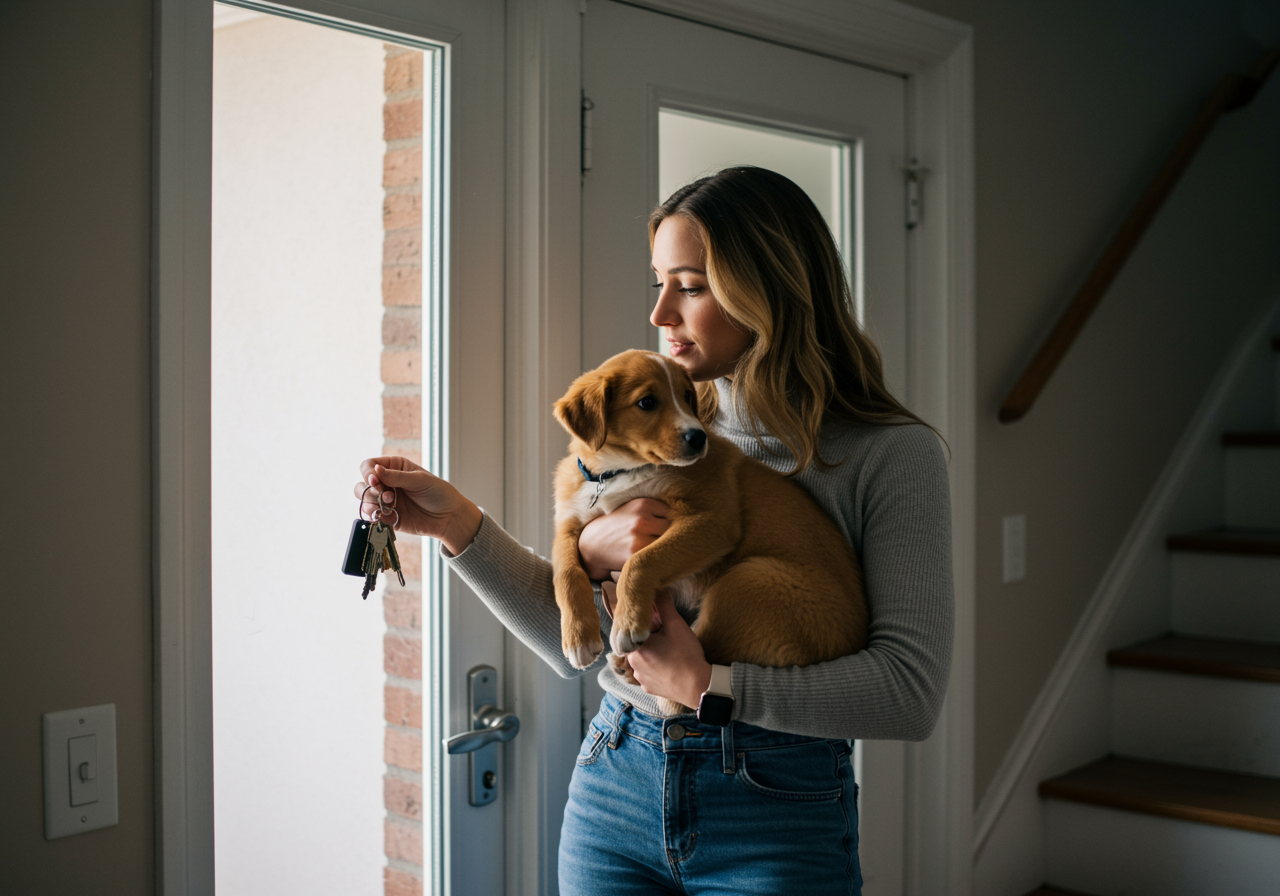
However, avoid creating too rigid a routine with departure cues. If you always pick up keys, put on shoes, and grab a coat in the same order, these actions become anxiety triggers. Instead, perform these activities randomly throughout the day sometimes without actually leaving. This desensitizes your puppy to these cues so they don't automatically predict separation.
Practice Calm Departures and Returns
How you leave and return significantly impacts your puppy's anxiety levels. Dramatic, emotional goodbyes ("I'll miss you so much! Be a good girl! Mommy will be back soon!") actually increase anxiety by signaling that departures are a big deal. Similarly, overly excited returns teach your puppy that reunions are extremely significant events, which by contrast makes your absence more stressful.
Instead, make both departures and returns calm and unremarkable. When leaving, simply provide the departure treat and go—no fanfare, no extended goodbyes, no excessive petting. When you return, ignore your puppy for the first few minutes even if they're wildly excited. Put away your things, take off your coat, and settle in. Only once your puppy has calmed down should you provide calm, quiet attention. This teaches that comings and goings are no big deal.
Training Protocols for Different Crying Scenarios
Different crying situations require slightly different approaches. Here are specific protocols for common scenarios.
For 8-12 Week Old Puppies
Very young puppies require the most gradual approach with the shortest durations. Begin with 5-10 second separations, multiple times throughout the day. Use a baby gate initially so your puppy can see you—visual contact provides reassurance while still creating separation. Practice at times when your puppy is naturally tired (after play or meals) as they'll settle more easily.
For an 8 week old puppy crying when you leave the room, success might be stepping out of sight for 15 seconds without crying—this is genuine progress worthy of celebration. Don't compare your puppy to others who might progress faster. Each puppy develops at their own pace, and respecting that pace prevents lasting anxiety issues.
Ensure young puppies aren't alone too long for physical reasons. At 8-12 weeks, puppies can typically hold their bladder for only 1-3 hours. If left longer, they have accidents, which can create negative associations with their space and being alone. For detailed age guidelines, read our article on how long you can leave a puppy home alone.
For Crate-Specific Crying
When a puppy cries in crate when you leave the room, address crate comfort and separation anxiety simultaneously. First ensure your puppy views the crate positively by feeding all meals in the crate, providing high-value chews only in the crate, and playing crate games (toss treats in, let puppy go in and out freely).
Once your puppy happily enters the crate, practice closing the door for brief periods while you're sitting right next to the crate. Read a book, work on your laptop, but stay present and calm. Gradually increase door-closed duration. Only after your puppy is comfortable in a closed crate with you present should you begin leaving the room.
Never let your puppy out of the crate during crying—this teaches that crying opens the door. Instead, wait for even a brief quiet moment before opening. If your puppy is in genuine distress (not just mild protest), you've progressed too quickly and need to return to an earlier step.
For Persistent Room-to-Room Crying
If my puppy whines when I leave the room persists despite training, examine your overall relationship dynamic. Are you inadvertently encouraging constant togetherness by always responding when your puppy follows you, always allowing them into every room, or never encouraging independent activities?
Start building independence during your together time. When you're home, occasionally use baby gates to keep your puppy in one room while you're in an adjacent room doing chores. Provide a chew toy or puzzle feeder so they have something engaging to do. Initially, this might trigger whining, but if you've provided for their needs (recently exercised, bathroom break, water available, safe space), allow them to work through brief mild distress.
There's a distinction between allowing self-soothing through mild protest and forcing puppies to endure severe distress. Brief whining that settles within 1-2 minutes is acceptable—your puppy is learning to cope. Extended crying, panic barking, or escalating distress means you need more gradual desensitization.
Common Mistakes That Worsen Puppy Crying
Understanding what not to do is as important as knowing effective techniques. These common mistakes can actually worsen crying behavior rather than improving it.
Returning During Crying
The most common mistake is returning to your puppy while they're actively crying. While this seems compassionate, it actually reinforces the crying behavior. Your puppy learns "when I cry, they come back," which guarantees more crying in the future. This creates a vicious cycle where crying increases rather than decreases.
The solution is always returning before crying begins during training sessions. If your puppy does start crying during a practice session, you've exceeded their current tolerance. Note that duration for next time, and try to return during a brief quiet moment if possible—even a 2-second pause in crying—before opening the door or entering the room.
Inconsistent Training
Practicing separation one day, then keeping your puppy with you constantly the next few days, creates confusion and insecurity. Inconsistency makes it harder for puppies to predict what will happen, which increases anxiety. Even if you're home all day, practice brief separations daily to maintain skills and confidence.
Similarly, inconsistency in how you respond to crying—sometimes waiting it out, sometimes immediately returning, sometimes getting frustrated—makes the behavior worse. Your puppy can't learn appropriate behavior when the consequences are unpredictable. Decide on your approach and stick with it consistently.
Punishing Crying Behavior
Some outdated advice suggests scolding or punishing puppies for crying. This is counterproductive and harmful. Crying is an emotional response to distress, not willful disobedience. Punishment doesn't reduce the underlying anxiety—it just adds fear of your reaction to the existing fear of being alone.
Puppies who are punished for crying might suppress the vocalization but still experience severe anxiety. They may develop other problematic behaviors like destructive chewing, house soiling, or even aggression. The anxiety hasn't been addressed—it's just been driven underground. Always address crying with training and environmental management, never with punishment.
Progressing Too Quickly
Impatience leads many owners to rush through desensitization steps. Moving from 30-second separations to 30-minute separations in one jump overwhelms puppies and creates setbacks. While gradual progression feels tediously slow, it's actually the fastest route to lasting success because you avoid creating anxiety that then requires extensive treatment.
A general rule: if your puppy successfully handles a duration 3 times in a row, you can increase by approximately 25-50%. So if your puppy handles 2 minutes well three times, try 3 minutes next. If they struggle, return to the previous successful duration. Progress isn't linear—expect some ups and downs.
When Crying Indicates a More Serious Problem
While most puppy crying improves with consistent training, sometimes it signals more serious separation anxiety or other issues requiring professional intervention.
Signs of Severe Separation Anxiety
Normal adjustment crying differs from clinical separation anxiety. Warning signs that your puppy's crying represents more serious anxiety include crying that escalates rather than settling (getting more intense after 10-15 minutes alone), destructive behavior focused on exit points (doors, windows), escape attempts that cause self-injury, elimination in crate or sleeping area despite house training, excessive drooling or panting even in comfortable temperatures, refusal to eat or drink when alone, and crying or panic that starts during your pre-departure routine.
If your puppy shows multiple severe symptoms, especially if they're worsening despite consistent training efforts over 4-6 weeks, consult a veterinary behaviorist or certified separation anxiety trainer. Early intervention prevents these issues from becoming entrenched lifelong problems. Our article on why dogs cry when you leave explores separation anxiety in more depth.
Medical Issues to Rule Out
Sometimes what appears to be separation anxiety actually stems from medical problems. A puppy with a urinary tract infection may cry because they urgently need to urinate but are confined. Gastrointestinal upset can cause discomfort and distress when alone. Pain from injuries or developmental issues like hip dysplasia can worsen when lying down.
If your puppy's crying appears suddenly, is accompanied by changes in appetite or elimination, or includes physical symptoms like excessive panting or trembling, consult your veterinarian. Rule out medical causes before assuming the issue is purely behavioral. A thorough vet exam ensures you're not missing an underlying health problem.
Age-Appropriate Expectations and Realistic Timelines
Setting realistic expectations for your puppy's progress prevents frustration and helps you maintain consistency in training.
How Long Does Training Take?
There's no universal timeline for stopping puppy crying—it depends on your puppy's age, temperament, history, and the consistency of training. Generally, expect the following timelines with daily practice:
- Mild cases (brief whining, settles within minutes): 2-4 weeks of improvement
- Moderate cases (extended crying, some distress behaviors): 6-8 weeks of consistent training
- Severe cases (panic, destruction, extreme distress): 3-6 months or longer with professional help
Young puppies (8-12 weeks) often progress faster than older puppies who've been practicing anxious behaviors for months. A puppy who cried for one week before training started will improve faster than one who's been crying daily for three months. This is why early intervention is so valuable—it prevents behavior from becoming habitual.
Progress Isn't Always Linear
Expect setbacks and regression, especially during adolescence, after schedule changes, or during stressful periods. A puppy who successfully handled 30 minutes alone might suddenly struggle again during a growth spurt or after moving to a new home. This is normal and doesn't mean you've failed. Simply return to a duration your puppy handles comfortably and rebuild from there.
Celebrate small victories. If your 8 week old puppy who previously cried immediately can now handle 30 seconds alone, that's significant progress worthy of recognition. Comparing your puppy to others or expecting overnight transformation leads to disappointment. Focus on your individual puppy's trajectory.
Environmental and Management Strategies
Beyond training, environmental modifications and management strategies support your puppy's comfort when alone.
Creating a Calm Environment
Set up your puppy's alone space to promote calmness and security. Use white noise machines or calming music to mask outside sounds that might trigger alert barking. Leave an item of your clothing (unwashed, with your scent) for comfort. Ensure comfortable temperature—puppies are sensitive to heat and cold. Provide appropriate bedding that's comfortable but safe (avoid materials that could be ingested if chewed).
Consider using calming aids like pheromone diffusers (Adaptil), which release synthetic versions of the calming pheromones mother dogs produce. Some puppies benefit from anxiety wraps or thunder shirts that provide gentle pressure. These aren't magic solutions but can support your training efforts.
Exercise and Mental Stimulation
Ensure your puppy receives adequate physical exercise and mental stimulation before alone time. A tired puppy settles more easily than one with pent-up energy. Age-appropriate exercise varies—young puppies need just 15-20 minutes of active play, while older puppies might need 30-60 minutes.
Mental stimulation is equally important. Puzzle feeders, snuffle mats, training sessions, and scent work tire puppies mentally. A puppy who's both physically and mentally tired will sleep peacefully rather than crying. However, avoid exercise immediately before departure—give 30-60 minutes for your puppy to transition from excited to calm-tired.
Monitoring Tools
Pet cameras let you observe your puppy's behavior when you're not present. This helps you understand whether crying stops after a few minutes (suggesting successful self-soothing) or continues for extended periods (suggesting you need more training). Some cameras include treat dispensers or two-way audio, though use audio features cautiously—hearing your voice might increase anxiety if you're not visible.
Monitor without obsessing. Constantly checking the camera and seeing your puppy mildly distressed might cause you more anxiety, which puppies sense and internalize. Use cameras for data collection—how long does crying last, what settles your puppy, are there patterns—rather than constant surveillance.
Building Long-Term Confidence and Independence
The ultimate goal isn't just stopping crying—it's raising a confident, independent dog who feels secure whether you're present or absent.
Ongoing Independence Training
Even after your puppy stops crying when you leave, continue practicing separation regularly. Dogs who experience constant human presence for extended periods (like during vacations or work-from-home stretches) may regress when routines change. Maintain independence skills through regular practice—brief separations here and there even when not necessary.
Encourage independence during together time, too. Provide solo enrichment activities like chew toys, puzzle feeders, or snuffle mats even when you're home. Reward your puppy for choosing to settle calmly in another room rather than constantly following you. This builds general confidence and independence beyond just handling your departures.
Socialization and Confidence Building
Well-socialized, confident puppies generally handle separation better than fearful, insecure ones. During your puppy's critical socialization period (8-16 weeks), expose them to a variety of people, places, sounds, and experiences in positive, controlled ways. This builds general confidence that transfers to handling alone time.
Training activities like puppy classes, basic obedience, and problem-solving games build your puppy's confidence in their own abilities. A puppy who successfully navigates new challenges thinks "I can handle this" rather than "I need my person." This independence and problem-solving ability helps them cope when you're not available.
Conclusion: Patience, Consistency, and Compassion
Learning how to stop your puppy from crying when you leave requires understanding why your dog cries when you leave in the first place. Whether you're addressing an 8 week old puppy crying when you leave the room or a 12 week old puppy having meltdowns in their crate, the solution lies in gradual desensitization, positive associations, and consistent training.
Remember that crying is your puppy's way of communicating distress—it's not manipulation or bad behavior. Approach this challenge with compassion and patience. Why does my puppy cry when I leave? Because they're young, dependent, and haven't yet learned that being alone is safe and temporary. With your help through proper training, they'll develop this understanding.
The techniques in this guide—gradual desensitization, counter-conditioning, consistent routines, and calm departures—work for puppies at all ages and in all situations. Whether your puppy cries when you leave the room, whines in their crate, or panics when you leave the house, these principles apply. The key is patience, consistency, and working at your individual puppy's pace rather than rushing the process.
Ready to start training? Begin today with just 10 seconds of separation. Put your puppy in their safe space, step out of sight briefly, and immediately return. Repeat several times throughout the day. This tiny step is the foundation for a confident dog who handles your absences with ease. For additional support, explore our comprehensive guide on why dogs cry when you leave and how to help them feel secure.
Key Takeaways
- Puppy crying stems from instinctual pack behavior and genuine distress, not manipulation
- Age matters: 8-week-old puppies need more gradual training than 12-week-old puppies
- Different contexts (room vs. house, crate vs. free) require slightly different training approaches
- Gradual desensitization is the foundation: always return before crying begins during training
- Counter-conditioning with special departure treats changes emotional response from negative to positive
- Common mistakes include returning during crying, progressing too quickly, and punishment
- Expect 2-8 weeks for improvement in mild to moderate cases with consistent daily practice
- Severe cases or medical issues warrant professional consultation