
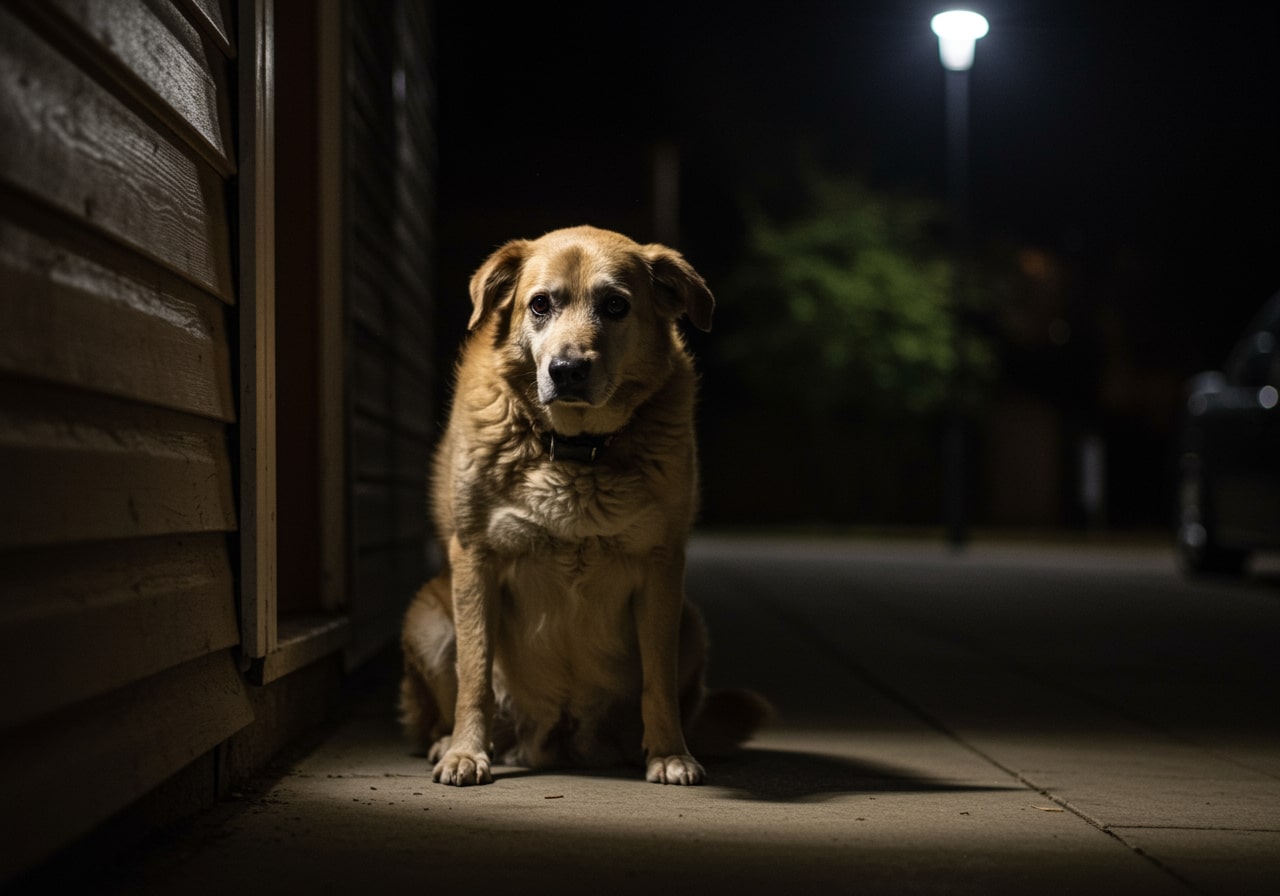
Watching your once-independent senior dog suddenly become anxious when you leave can be both confusing and heartbreaking. Senior dog separation anxiety is a growing concern among pet parents, affecting older dogs who may have never shown anxiety before. As dogs age, they face unique challenges that can trigger or worsen separation anxiety, from cognitive decline to physical discomfort and sensory changes.
Understanding the specific needs of older dogs with anxiety is crucial for providing effective support. Unlike younger dogs, seniors require age-appropriate strategies that consider their physical limitations, cognitive changes, and medical conditions. This comprehensive guide explores everything you need to know about managing older dog separation anxiety, including recognizing subtle signs, understanding age-related causes, and implementing proven solutions tailored for senior companions.
Understanding Senior Dog Separation Anxiety
Separation anxiety in older dogs differs significantly from anxiety in younger pets. While the core emotion—distress when separated from their owner—remains the same, the underlying causes and manifestations can be quite different. Senior dog anxiety often develops gradually and may be intertwined with age-related health issues that complicate both diagnosis and treatment.
Why Senior Dogs Develop Separation Anxiety
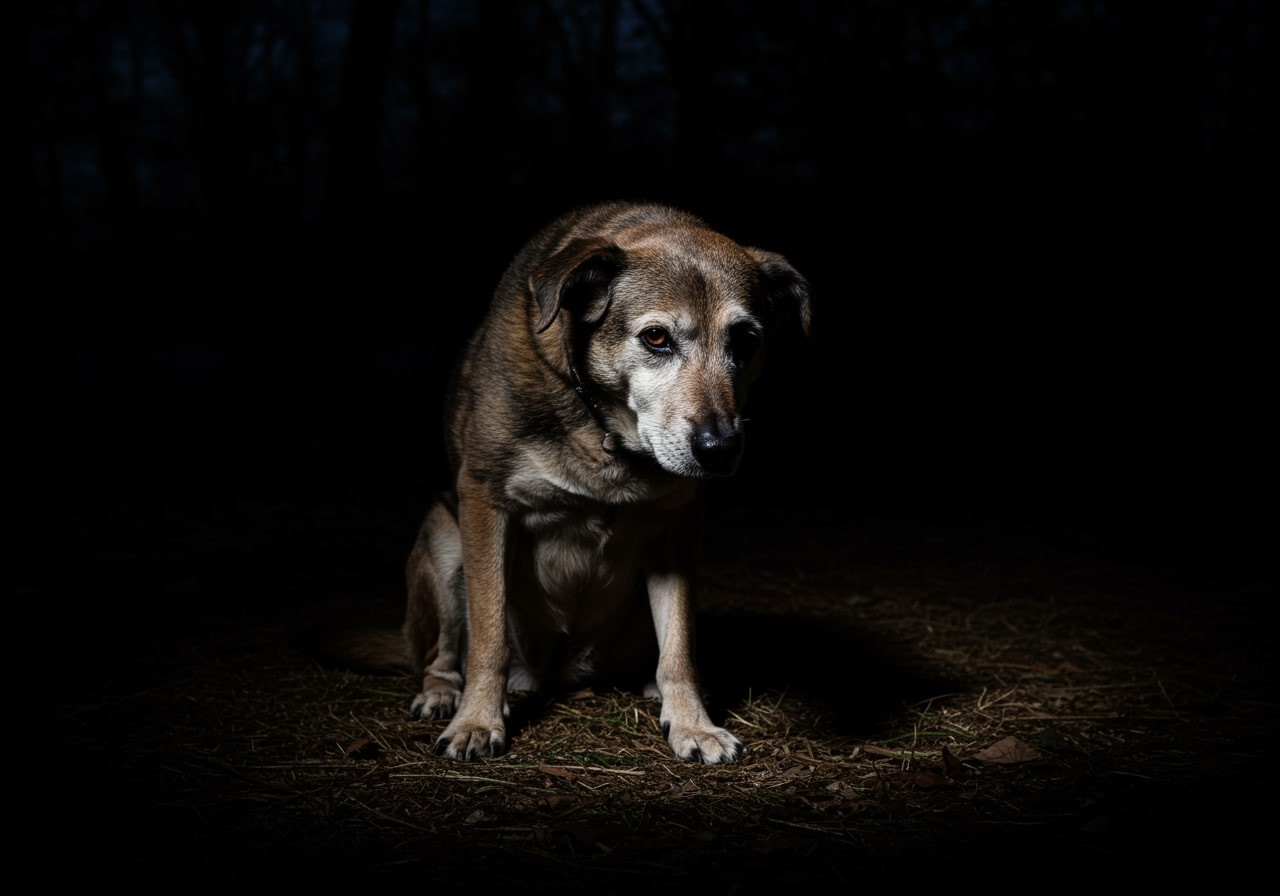
Older dogs can develop separation anxiety for the first time in their senior years, even if they've spent their entire lives being comfortable alone. This phenomenon occurs due to several age-related factors. Canine cognitive dysfunction (CCD), similar to Alzheimer's disease in humans, affects memory, learning, and spatial awareness, causing confusion and disorientation when alone. Additionally, sensory decline—particularly vision and hearing loss—makes the world feel less predictable and more threatening, especially when their trusted human isn't nearby.
Physical ailments common in senior dogs, such as arthritis, digestive issues, or bladder control problems, can create associations between being alone and experiencing discomfort. When your dog feels vulnerable due to pain or disability, your presence becomes even more important for their sense of security. Furthermore, older dogs who've experienced the loss of another pet companion or household member may suddenly become more dependent on their remaining family members.
Recognizing Anxiety in Older Dogs at Night
Senior dog anxiety at night presents unique challenges and symptoms. Nighttime often amplifies anxiety in older dogs because darkness exacerbates vision problems, quiet environments make hearing loss more noticeable, and cognitive dysfunction symptoms typically worsen in the evening hours—a phenomenon known as "sundowning."
Common Signs of Senior Dog Nighttime Anxiety
- Restlessness and pacing: Wandering aimlessly through the house, especially in the hours before bedtime
- Vocalization: Whining, howling, or barking more than usual during evening and nighttime hours
- Sleep-wake cycle disruptions: Sleeping more during the day but remaining awake and anxious at night
- Following behavior: Shadowing you constantly and showing distress when you move to another room
- Increased neediness: Seeking more physical contact, pawing for attention, or attempting to sleep in unusual locations
- Disorientation: Appearing confused about familiar spaces or getting "stuck" in corners or behind furniture
- House soiling: Accidents in the house despite previously reliable house training
Distinguishing Anxiety from Medical Issues
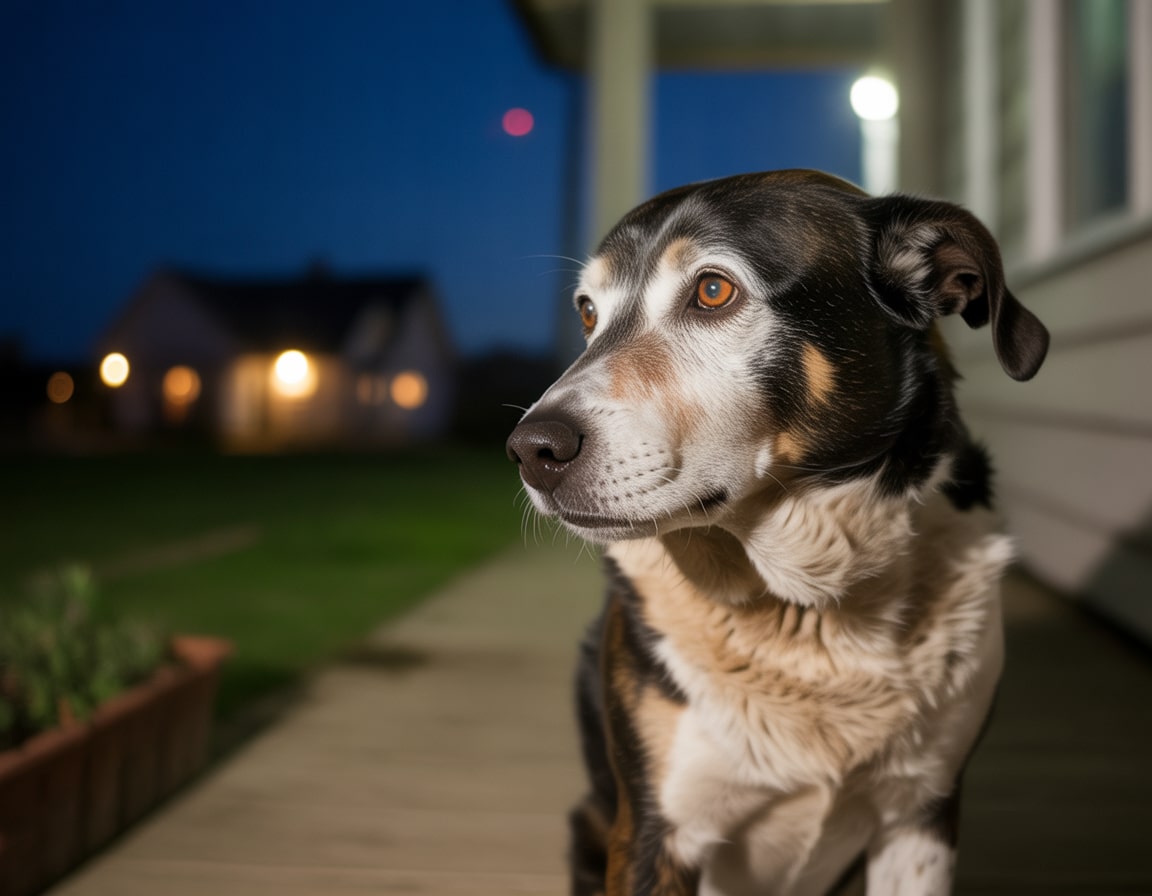
It's critical to differentiate between behavioral anxiety and medical problems in senior dogs. Many symptoms of anxiety—such as pacing, vocalization, and house soiling—can also indicate pain, urinary tract infections, diabetes, thyroid disorders, or other health conditions. Before assuming your older dog's nighttime distress is purely anxiety-related, consult your veterinarian for a thorough examination. Blood work, urinalysis, and cognitive assessments can help rule out or identify underlying medical causes.
Medical Factors Contributing to Older Dog Anxiety
Understanding the medical dimension of senior dog anxiety is essential for effective management. Several age-related conditions directly contribute to increased anxiety levels in older dogs.
Canine Cognitive Dysfunction (CCD)
CCD affects more than 60% of dogs over age 11 to some degree. This progressive neurodegenerative condition causes disorientation, altered interactions with family members, changes in sleep-wake cycles, house soiling, and decreased activity levels. Dogs with CCD may forget where they are, fail to recognize family members temporarily, or become anxious because they can't remember their familiar routines. The uncertainty created by cognitive decline naturally increases anxiety, particularly when their primary caregiver isn't present.
Sensory Decline
Vision loss and hearing impairment are common in senior dogs. When dogs can't see or hear well, they rely more heavily on their other senses and their bond with their owner for security. An older dog with compromised senses may not notice you enter the room or may startle easily, contributing to overall anxiety. At night, when visual cues disappear entirely, dogs with vision problems feel especially vulnerable without their owner nearby.
Pain and Chronic Illness
Chronic pain from arthritis, dental disease, or other conditions significantly impacts a senior dog's emotional state. Pain increases stress hormones, lowers the threshold for anxiety, and makes dogs feel vulnerable. When experiencing pain, your presence provides comfort and reassurance. If pain worsens when lying down or during quiet nighttime hours, dogs may develop associations between being alone at night and feeling uncomfortable.
Creating a Senior-Friendly Environment
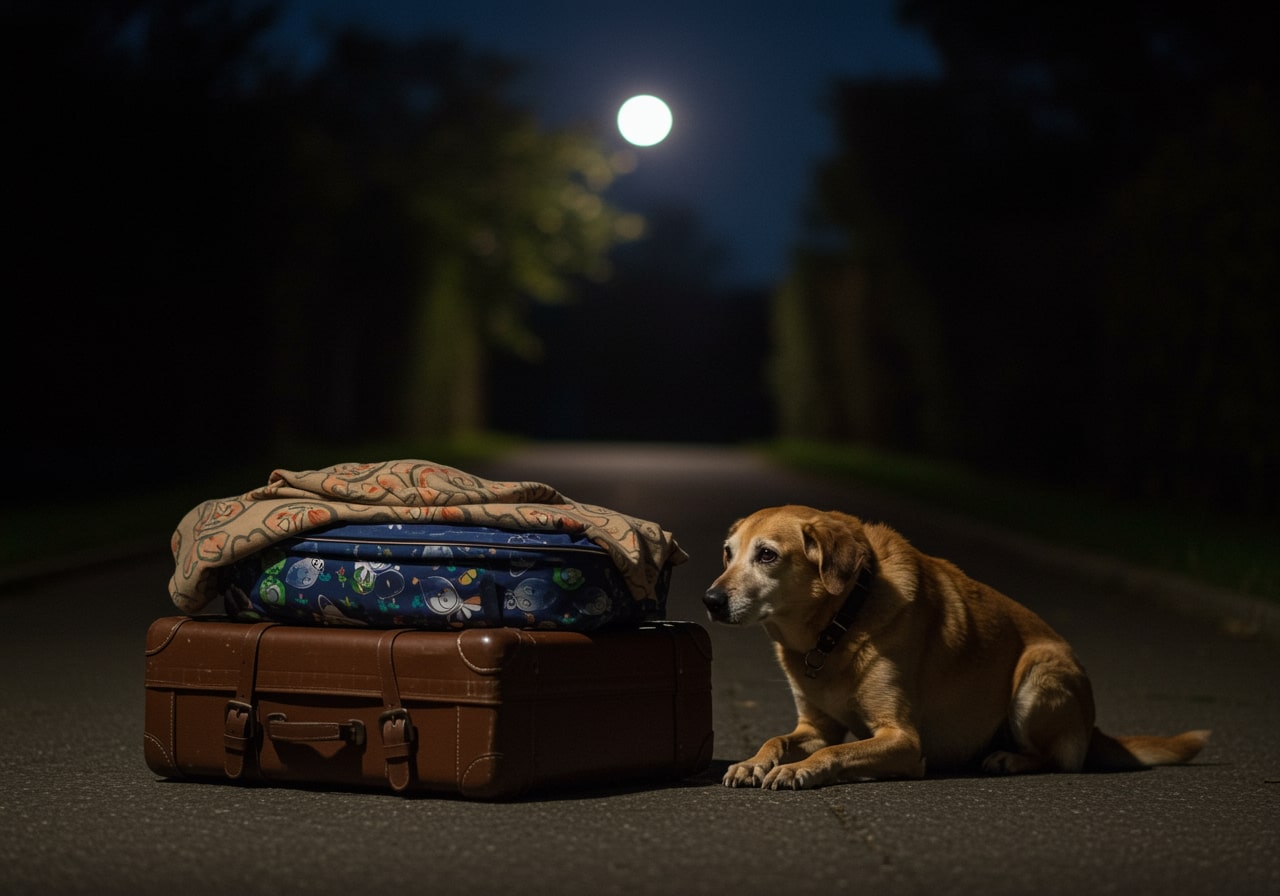
Modifying your home environment to accommodate your senior dog's changing needs can significantly reduce anxiety. Small adjustments make a big difference in helping older dogs feel secure and comfortable.
Lighting and Visual Support
For dogs with vision impairment, adequate lighting is crucial. Install night lights in hallways, near sleeping areas, and in rooms your dog frequents. Soft, warm lighting helps dogs navigate safely without being overly stimulating. Keep furniture arrangements consistent so your dog can navigate familiar pathways even with reduced vision. Remove obstacles that might cause confusion or injury.
Comfortable Sleeping Arrangements
Invest in orthopedic dog beds that provide joint support and pressure relief. Many senior dogs benefit from beds with bolsters or raised edges that provide a sense of security. Consider heated beds for dogs with arthritis, as warmth can ease joint stiffness and pain. Place beds in quiet areas away from drafts but within reasonable proximity to family activity so your dog doesn't feel isolated.
Easy Access and Mobility Support
Provide ramps or stairs to help your senior dog access favorite spots without jumping, which can be painful or difficult. Use non-slip rugs on hardwood or tile floors to prevent slipping and increase confidence when moving around. Keep water bowls in multiple accessible locations so your dog doesn't have to travel far when thirsty. Ensure litter boxes or pee pad stations are easily reachable if your dog has mobility or bladder control issues.
Behavioral Strategies for Older Dogs and Anxiety
Managing anxiety in older dogs requires gentle, age-appropriate behavioral strategies that respect their physical and cognitive limitations. Traditional training methods need modification for senior dogs.
Modified Desensitization Training
Standard separation anxiety training protocols may need adjustment for senior dogs. Keep training sessions shorter—5 to 10 minutes rather than 15 to 20—to avoid tiring your dog or overwhelming their cognitive capacity. Progress more gradually with smaller increments of alone time, as older dogs may need more repetitions to learn new patterns. Always work within your dog's comfort zone, watching carefully for signs of stress or confusion.
Maintaining Cognitive Function
Mental stimulation helps slow cognitive decline and can reduce anxiety. Engage your senior dog in gentle puzzle toys appropriate for their physical abilities. Practice simple training exercises with high-value rewards to keep their mind active. Introduce safe, novel experiences like new walking routes (in familiar neighborhoods) or supervised social interactions. However, balance stimulation with adequate rest, as senior dogs tire more easily and need plenty of sleep.
Establishing Consistent Routines
Predictable routines provide enormous comfort to anxious senior dogs, especially those with cognitive dysfunction. Feed meals at the same times daily, maintain consistent walk schedules even if walks are shorter, establish a regular bedtime routine with the same sequence of events, and try to minimize major household disruptions. Consistency reduces uncertainty, which is particularly valuable for dogs experiencing cognitive decline.
Managing Senior Dog Nighttime Anxiety: Practical Solutions
Senior dog nighttime anxiety requires specific interventions tailored to the unique challenges older dogs face after dark. The following strategies have proven effective for countless senior dogs and their caregivers.
Bedroom Proximity Considerations
For senior dogs experiencing significant nighttime anxiety, allowing them to sleep in or very near your bedroom can provide substantial relief. This doesn't necessarily mean sharing your bed—a comfortable dog bed placed near your bed allows your dog to hear your breathing and sense your presence. For dogs with mobility issues, consider setting up their sleeping area on the same floor as your bedroom to avoid stairs during nighttime bathroom breaks.
White Noise and Calming Sounds
Sound masking can be particularly helpful for senior dogs with hearing loss experiencing nighttime anxiety. White noise machines block out sudden noises that might startle your dog, create consistent ambient sound that's soothing, and provide auditory continuity if you move around at night. Some dogs respond well to classical music or species-specific calming music designed for canine anxiety.
Evening Exercise and Activity Timing
Appropriate physical and mental exercise earlier in the evening can promote better sleep. Schedule gentle walks or play sessions 2-3 hours before bedtime, avoiding overstimulation right before sleep. Tire your dog appropriately for their fitness level without causing pain or exhaustion. Some senior dogs benefit from gentle massage or passive range-of-motion exercises in the evening to ease joint stiffness and promote relaxation.
Feeding Schedule Adjustments
The timing of your senior dog's last meal can impact nighttime comfort. Feed dinner early enough to allow for complete digestion before bedtime, typically 3-4 hours before sleep. This reduces the likelihood of digestive discomfort or urgent bathroom needs during the night. However, some dogs benefit from a small bedtime snack to prevent overnight hunger or nausea, particularly those on medications requiring food.
Supplements and Medications for Senior Dog Anxiety
For many senior dogs with anxiety, behavioral strategies alone may not be sufficient. Supplements and medications can provide valuable support, especially when anxiety stems from or is exacerbated by medical conditions.
Natural Supplements
Several supplements show promise for managing anxiety in older dogs. Melatonin supports healthy sleep-wake cycles and can help with sundowning symptoms in dogs with cognitive dysfunction. L-theanine and L-tryptophan promote relaxation and reduce anxiety without sedation. Omega-3 fatty acids support cognitive function and may slow the progression of CCD. CBD products formulated for pets show anxiety-reducing properties, though quality varies significantly between brands. Always consult your veterinarian before starting supplements, as they can interact with medications or be contraindicated for certain health conditions.
Prescription Medications
When anxiety significantly impacts quality of life, prescription medications may be warranted. Several options are available specifically for senior dogs. SSRIs like fluoxetine or sertraline can help with chronic anxiety and may improve symptoms of cognitive dysfunction. Selegiline (Anipryl) is FDA-approved for canine cognitive dysfunction and can improve cognitive symptoms while reducing anxiety. Trazodone provides situational anxiety relief and promotes sleep, useful for nighttime anxiety. Gabapentin addresses both anxiety and pain, making it particularly valuable for seniors with chronic pain contributing to anxiety. Your veterinarian will consider your dog's overall health, other medications, and specific symptoms when recommending treatment.
Pheromone Therapy
Adaptil (dog-appeasing pheromone) products can provide gentle anxiety relief. Available as diffusers, collars, or sprays, these synthetic pheromones mimic the calming pheromone mother dogs produce for their puppies. While not effective for all dogs, many seniors show improvement in anxiety symptoms with pheromone therapy, particularly when combined with other interventions.
When to Seek Professional Help
While many cases of senior dog anxiety can be managed with home strategies, some situations require professional intervention. Recognize when it's time to consult experts for your older dog's well-being.
Signs You Need Veterinary Support
Contact your veterinarian if your senior dog's anxiety is worsening rapidly despite interventions, involves self-harm behaviors like excessive licking or chewing, is accompanied by significant behavior changes like aggression or severe disorientation, includes possible medical symptoms like seizures, severe gastrointestinal issues, or mobility problems, or if your dog's quality of life is clearly suffering. Don't wait to seek help—early intervention often leads to better outcomes.
Working with Veterinary Behaviorists
For complex cases, a board-certified veterinary behaviorist provides specialized expertise. These professionals combine veterinary medicine knowledge with behavioral expertise, offering comprehensive evaluation of medical and behavioral components, customized treatment plans considering your dog's age and health status, medication management with careful consideration of senior-specific concerns, and ongoing support as your dog's needs evolve. While veterinary behaviorists are specialists requiring referrals in some areas, their expertise can be invaluable for challenging cases.
Quality of Life Considerations
As you manage your senior dog's anxiety, periodically assess their overall quality of life. This holistic view ensures your interventions genuinely improve your dog's well-being rather than just addressing symptoms.
Evaluating Your Dog's Well-Being
Consider these aspects when assessing quality of life: Does your dog still enjoy activities they once loved? Are they eating well and maintaining healthy body condition? Can they move around comfortably despite age-related limitations? Do they have more good days than bad days? Are anxiety symptoms responding to treatment, or are they progressively worsening? Is your dog able to rest peacefully and get adequate sleep?
Honest assessment of these factors helps you make informed decisions about care. If anxiety or its underlying causes are severely diminishing quality of life despite aggressive intervention, discuss all options with your veterinarian, including palliative care approaches focused on comfort and stress reduction.
Supporting Yourself as a Caregiver
Caring for an anxious senior dog can be emotionally and physically demanding. Remember to care for yourself as well. Join support groups for owners of senior or anxious dogs where you can share experiences and strategies. Take breaks when possible, enlisting friends, family, or professional pet sitters to provide occasional respite. Manage expectations—progress may be slow, and some days will be better than others. Celebrate small victories and improvements rather than focusing only on remaining challenges. Seek your own emotional support through counseling or therapy if the stress becomes overwhelming.
Conclusion: Compassionate Care for Anxious Senior Dogs
Senior dog separation anxiety and nighttime distress are challenging conditions that affect both dogs and their devoted caregivers. Understanding that older dog anxiety often stems from medical changes, cognitive decline, and sensory impairment helps us respond with compassion and appropriate interventions. Unlike younger dogs, seniors need age-tailored strategies that respect their physical limitations while addressing their emotional needs.
The journey of managing anxiety in older dogs requires patience, flexibility, and sometimes professional support. What works for one dog may not work for another, and strategies may need adjustment as your dog continues to age. The key is remaining attentive to your senior dog's changing needs and willing to adapt your approach accordingly.
Remember: Your senior dog has spent years providing you with unconditional love and companionship. Now, as they face the vulnerabilities of aging, your understanding, patience, and commitment to their comfort represent the greatest gift you can offer. Start implementing one strategy today—whether it's adding night lights, adjusting sleeping arrangements, or consulting your veterinarian about supplements—and build from there. Every small step toward easing your senior dog's anxiety honors the bond you share.
Key Takeaways
- Senior dog separation anxiety often results from cognitive dysfunction, sensory decline, and age-related medical conditions
- Nighttime anxiety in older dogs is common due to sundowning effects and amplified sensory limitations in darkness
- Always rule out medical causes with veterinary examination before assuming anxiety is purely behavioral
- Create senior-friendly environments with appropriate lighting, comfortable bedding, and easy accessibility
- Combine behavioral strategies, environmental modifications, and when necessary, supplements or medications
- Seek professional help from veterinarians or veterinary behaviorists when anxiety is severe or worsening