
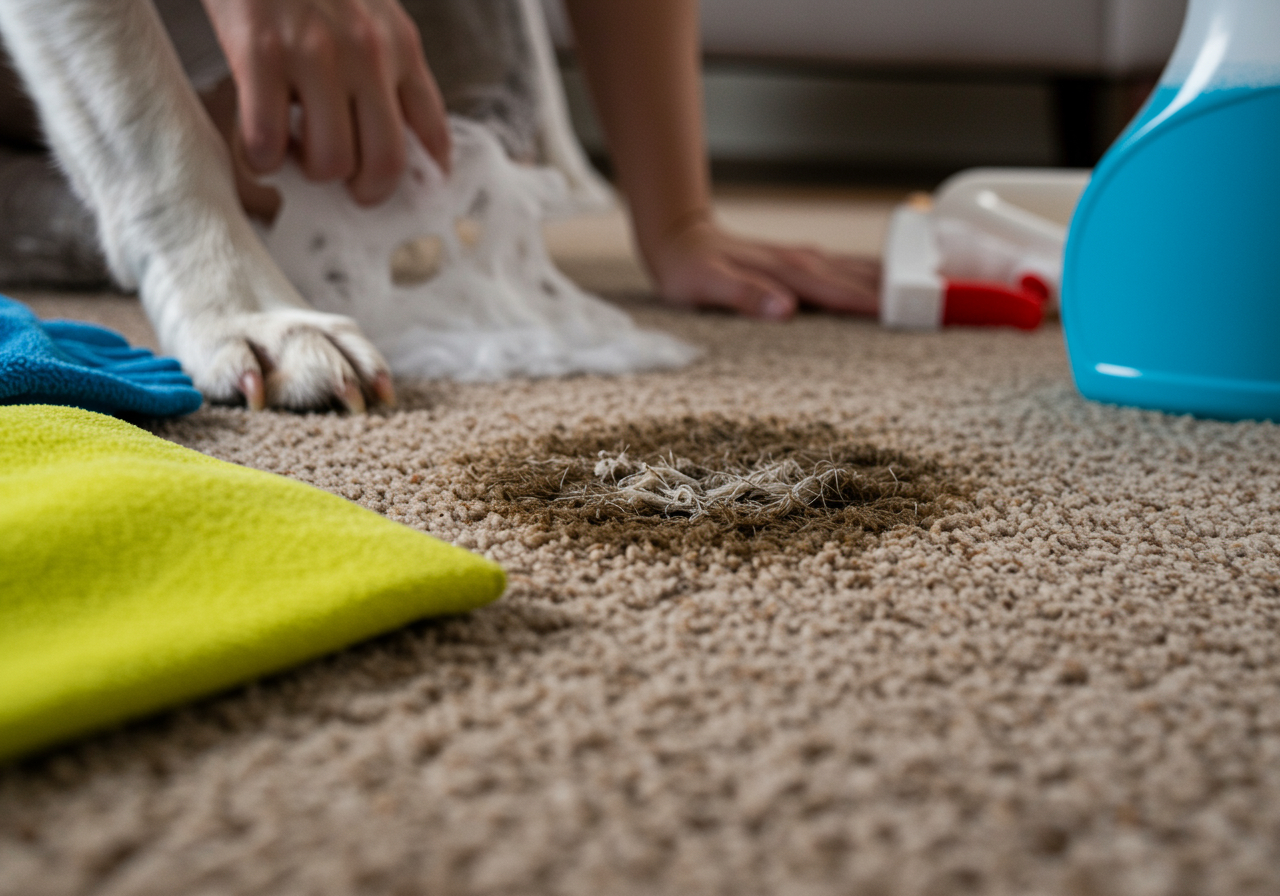
Coming home to find your house-trained dog pooping in the house is both frustrating and confusing. Whether your dog suddenly started pooping in house after months or years of perfect behavior, or you're dealing with a puppy pooping in house despite training efforts, this unexpected regression can leave pet owners feeling helpless and worried. When a dog keeps pooping in house despite your best efforts, it's natural to wonder what changed and how to break a dog from pooping in the house for good.
This comprehensive guide will explore the medical, behavioral, and environmental reasons why your dog is pooping in the house, with specific attention to age-related concerns like senior dog pooping in house and elderly dog pooping in house. We'll address why dogs do this, whether it's a female dog who keeps pooping in the house, a dog pooping in house at night, or even why did my dog poop on my bed. Most importantly, you'll learn proven strategies for how to stop dog from peeing and pooping in house, including how to get a dog to stop pooping in house through retraining and management techniques.
Understanding Why Is My Dog Pooping in the House
When a dog starts defecating in house after being reliably house-trained, there's always an underlying reason. Understanding the cause is essential for finding the right solution. The most common question veterinarians hear is "why does my dog keep pooping in the house when they've been trained for years?" The answer isn't always straightforward, as dog pooping in house can stem from medical issues, behavioral problems, or environmental changes.
House soiling represents a significant change from your dog's established pattern and should never be dismissed as simple misbehavior. Whether you're asking "why is my dog suddenly pooping in the house" or dealing with chronic indoor elimination, recognizing that this behavior signals distress, illness, or unmet needs is the first step toward resolution.
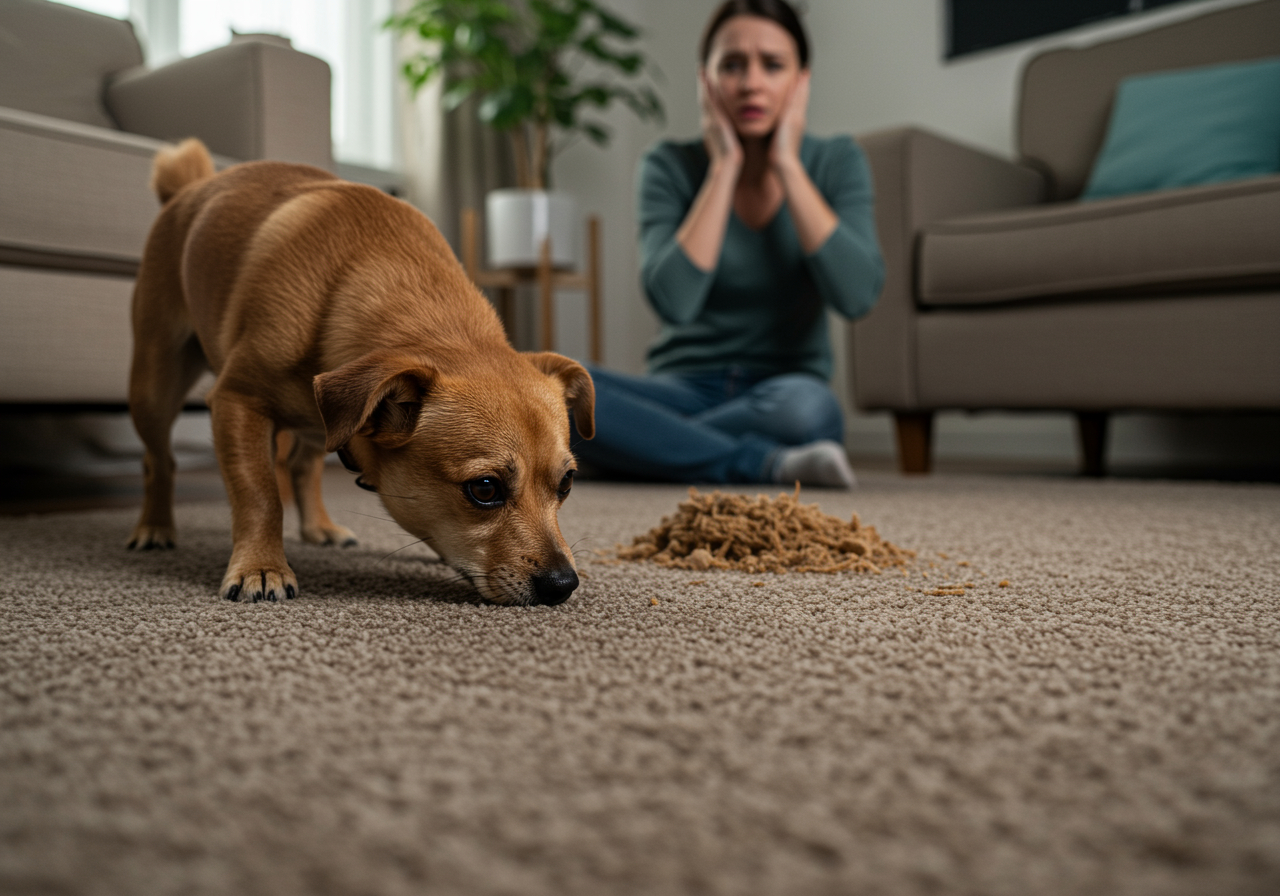
Common Medical Causes of Dog Pooping in House
Before addressing behavioral issues, you must rule out medical problems. A shocking number of house soiling cases stem from health issues rather than training failures. When a dog suddenly started pooping in house, especially an adult dog with years of perfect behavior, medical causes should be your first consideration.
Gastrointestinal Problems
Digestive issues are among the most common medical reasons why dogs poop inside the house. Inflammatory bowel disease (IBD) causes urgent, uncontrollable bowel movements that dogs physically cannot hold. Parasites like giardia, roundworms, or hookworms create diarrhea and urgency, making it impossible for your dog to wait. Food intolerances or allergies lead to loose stools and increased frequency. Colitis inflames the colon, causing painful, urgent defecation. Even minor stomach upset from dietary indiscretion can temporarily disrupt house training.
If your dog pooping in house all of a sudden coincides with any changes in stool consistency, frequency, color, or if you notice blood or mucus, a veterinary exam is essential. These signs indicate your dog isn't choosing to eliminate indoors—they physically cannot control their bowels.
Infections and Illnesses
Various infections compromise bowel control. Bacterial infections like salmonella or campylobacter cause severe diarrhea and urgency. Viral gastroenteritis affects puppies particularly hard, making puppy pooping in house during illness completely unavoidable. Urinary tract infections, while primarily affecting urination, can cause general anxiety about elimination that leads to indoor accidents. Systemic illnesses like kidney or liver disease alter metabolism and bowel habits.
Age-Related Medical Issues
When dealing with a senior dog pooping in house or old dog pooping in house, age-related medical conditions often explain the behavior. Canine cognitive dysfunction (dog dementia) causes confusion about appropriate elimination locations—your elderly dog pooping in house may genuinely forget their house training or not recognize that they're indoors. Loss of muscle tone in the anal sphincter leads to fecal incontinence where dogs leak stool unconsciously. Arthritis makes it painful to assume the elimination posture or reach the door in time. Neurological degeneration affects nerve signals controlling elimination.
The heartbreaking question "old dog pooping in house time to put down" arises when quality of life severely declines. While incontinence alone doesn't necessitate euthanasia, when combined with pain, immobility, loss of appetite, and obvious distress, humane end-of-life discussions with your veterinarian become appropriate. However, many senior dogs with house soiling can be successfully managed with veterinary care, medications, and environmental modifications before considering euthanasia.
Behavioral Causes: Why Does My Dog Keep Pooping in the House?
Once medical issues are ruled out, behavioral causes become the focus. Understanding the psychological reasons behind dog defecating in house helps you address the root problem rather than just the symptoms.
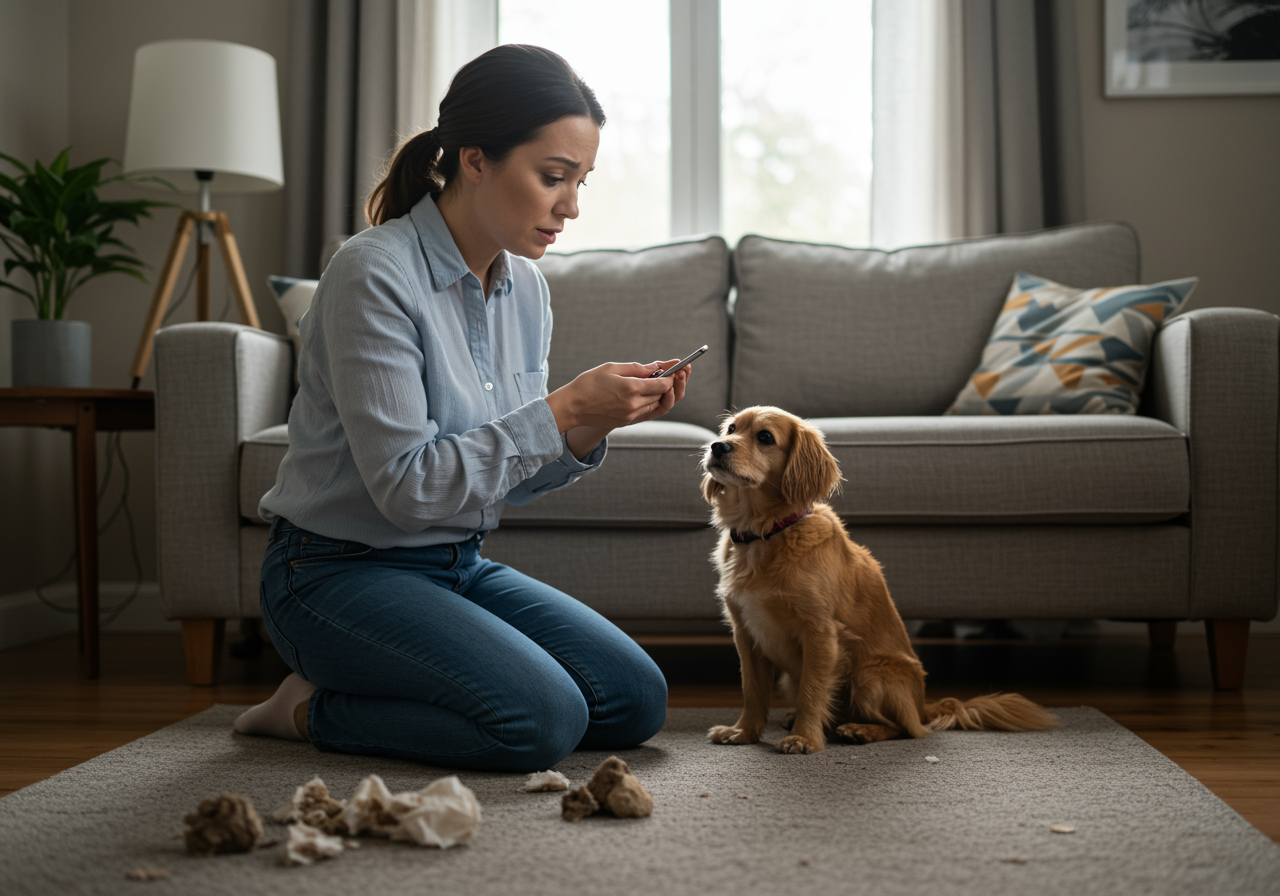
Separation Anxiety and Stress
Dogs experiencing separation anxiety often lose control of their bowels when left alone. The intense distress triggers a physiological stress response that includes involuntary elimination. If your dog pooping in house at night or when you leave for work, separation anxiety might be the culprit. This isn't spite or revenge—it's a genuine panic response your dog cannot control.
Stress-related defecation appears different from intentional marking. The stool is often loose due to anxiety-induced digestive upset, occurs near exit points like doors, happens within minutes of your departure, and is accompanied by other anxiety signs like destructive chewing, pacing, or vocalization. Dogs with separation anxiety aren't choosing to soil—their anxiety overwhelms their training. For comprehensive strategies to address this, read our guide on managing separation anxiety in dogs.
Environmental and Routine Changes
Dogs thrive on consistency, and disruptions often trigger house soiling. Moving to a new home confuses previous location-based training—your dog may not recognize the new space as "inside." Changes in your work schedule alter bathroom timing. New family members (human babies, new pets) create stress and disrupt routines. Construction, loud neighbors, or other environmental stressors increase anxiety. Even weather changes can cause some dogs to refuse outdoor elimination, leading to accidents indoors.
When asking "why has my dog started pooping in the house," mentally review any recent changes in your household, schedule, or environment. The trigger may seem minor to you but significant to your dog.
Incomplete or Failed House Training
Some dogs never fully learned appropriate elimination habits. This commonly affects rescue dogs with unknown histories, puppies whose training was inconsistent, dogs who spent extended time in shelters or kennels where elimination control wasn't possible, and dogs who experienced punishment-based training that taught them to hide elimination rather than control it.
If you're wondering how can i stop my dog pooping in the house when training seems to have failed, you may need to restart house training from scratch as if you have a completely untrained dog. This requires patience but is highly effective.
Marking Behavior vs. Accidents
Distinguishing between marking and accidents helps determine the appropriate intervention. Marking involves small amounts of feces (often just a small pile), typically occurs in multiple locations especially near doorways or furniture, happens when the dog has had recent opportunities to eliminate outside, and is more common in intact male dogs but can occur in any sex. Why did my dog poop on my bed specifically? Bed pooping often represents anxiety-based marking, claiming your scent-heavy space for security, or in some cases, a medical urgency that occurred while your dog was resting on the bed.
True accidents involve normal-sized bowel movements, usually occur in one location (often the same spot repeatedly), happen when the dog hasn't had adequate bathroom opportunities, and the dog often shows embarrassment or guilt afterward. My female dog keeps pooping in the house—is this marking? While less common than in males, female dogs can mark, especially if unspayed, stressed, or competing with other pets.
Why Is My Dog Suddenly Pooping in the House?
Sudden onset house soiling in a previously reliable dog requires immediate investigation. When dog pooping in house all of a sudden represents an abrupt change from established behavior, something significant has occurred.
Recent Changes to Investigate
When your dog suddenly started pooping in house, systematically review recent changes. Did you change dog food brands or flavors? New foods can cause digestive upset. Have medications been started, stopped, or changed? Many medications affect bowel function. Did someone new move in or move out? Social changes create stress. Have your work hours shifted? Altered bathroom schedules are common culprits. Are there new pets in the neighborhood? External stressors affect some dogs significantly. Has your dog experienced a frightening event outside? A negative outdoor experience can create reluctance to eliminate outside.
When It's an Emergency
Certain situations require immediate veterinary attention rather than behavioral modification. Seek emergency care if house soiling is accompanied by blood in stool, severe diarrhea or vomiting, lethargy or weakness, loss of appetite for more than 24 hours, visible pain during elimination, swollen or painful abdomen, or sudden onset in senior dogs with confusion or disorientation. These symptoms suggest serious medical conditions requiring prompt diagnosis and treatment.
Age-Specific Issues: From Puppy to Senior
House soiling presents differently across life stages, and solutions must be tailored to your dog's age and developmental needs.
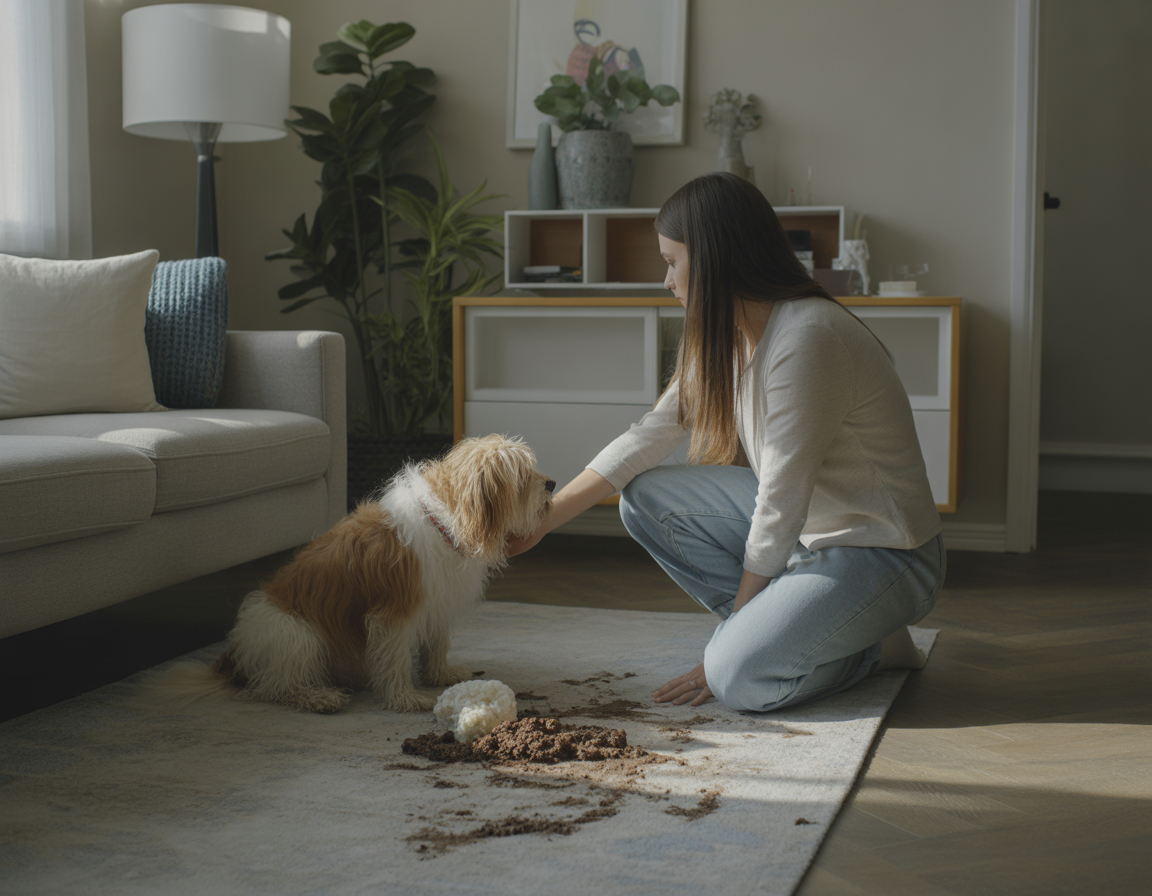
Puppy Pooping in House
Puppy house soiling differs fundamentally from adult dog accidents. Puppies under 12-16 weeks have limited bowel control—their sphincter muscles aren't fully developed, making total control impossible. They cannot "hold it" for extended periods regardless of training. Puppies need bathroom breaks every 1-2 hours while awake, immediately after waking, within 15-30 minutes of eating, after play sessions, and whenever showing sniffing or circling behaviors.
Puppy pooping in house is normal during the training process. Expecting perfection from young puppies is unrealistic and leads to frustration. Instead, focus on creating frequent success opportunities, confining puppies to easily cleanable spaces when unsupervised, rewarding every successful outdoor elimination enthusiastically, and avoiding punishment for accidents which only teaches puppies to hide from you, not to control elimination.
Senior, Old, and Elderly Dog Pooping in House
Geriatric dogs present unique challenges. A senior dog pooping in house after years of reliability often stems from age-related physical and cognitive changes rather than behavioral regression. Common age-related causes include canine cognitive dysfunction causing confusion about location and timing, decreased mobility making it difficult to reach doors or signal needs, weakened sphincter muscles leading to fecal incontinence, arthritis pain affecting posture during elimination, hearing or vision loss preventing awareness of elimination needs or location cues, and medication side effects from treatments for other age-related conditions.
When dealing with an elderly dog pooping in house, veterinary assessment is crucial. Many age-related issues respond to treatment: medications for cognitive dysfunction can restore some awareness, pain management for arthritis improves mobility, dietary modifications address digestive changes, and supplements support muscle tone. Environmental modifications also help: moving water and food bowls closer to sleeping areas, installing doggy doors for independent access, using puppy pads in accessible locations as backup options, creating multiple elimination areas if mobility is limited, and adjusting expectations to match your senior dog's capabilities.
Addressing "Old Dog Pooping in House Time to Put Down"
This heartbreaking search query reflects the anguish of watching a beloved senior companion struggle. While house soiling alone doesn't indicate it's time to put down an old dog, it's understandable to question quality of life when your elderly dog pooping in house becomes constant and unmanageable.
Consider quality of life holistically. Ask: Is my dog in pain that cannot be adequately managed? Has my dog lost interest in activities they once enjoyed? Is my dog unable to stand, walk, or perform basic functions? Does my dog refuse to eat despite trying multiple options? Are there more bad days than good days? House soiling combined with severe pain, immobility, loss of appetite, and obvious suffering may indicate it's time for end-of-life discussions. However, if your senior dog still shows joy, interacts happily, eats well, and simply has incontinence issues, management strategies can maintain good quality of life.
Consult with your veterinarian about medications for cognitive dysfunction, pain management strategies, dietary adjustments, mobility aids, and realistic expectations. Many dogs live comfortably for months or years with managed incontinence. When the time comes for difficult decisions, your veterinarian will help you assess your dog's quality of life objectively and compassionately.
How to Break a Dog from Pooping in the House
Successfully stopping house soiling requires a systematic approach that addresses the root cause while reestablishing appropriate elimination habits. These strategies work for how to get a dog to stop pooping in house regardless of the underlying reason, though you must address medical causes concurrently.
Step 1: Rule Out Medical Causes
Before implementing behavioral strategies, schedule a veterinary exam. Describe the house soiling pattern in detail: when it started, frequency, stool consistency, accompanying symptoms, and any related behavioral changes. Your veterinarian will perform a physical exam, likely recommend fecal testing to check for parasites or bacterial infections, possibly blood work to assess organ function, and consider imaging if masses or obstructions are suspected.
Treating underlying medical issues may completely resolve house soiling without additional behavioral modification. Even if behavioral factors contribute, medical management makes training more effective by ensuring your dog can physically control elimination.
Step 2: Reinforce House Training Basics
Return to fundamental house training principles, even with adult dogs. Treat your dog as if they were never house-trained—this prevents frustration and ensures thorough retraining. Establish a consistent schedule with bathroom breaks every 2-4 hours for adult dogs (more frequently for puppies and seniors), first thing in the morning, 15-30 minutes after meals, after play or exercise sessions, last thing before bedtime, and any time you notice circling, sniffing, or restlessness.
Take your dog to the same outdoor spot consistently—the accumulated scent triggers the elimination reflex. Wait patiently (up to 15 minutes) without interaction, allowing your dog to focus on elimination. The moment they finish, immediately provide enthusiastic praise and a small, high-value treat. This positive reinforcement strengthens the outdoor elimination habit.
Step 3: Supervise and Manage the Environment
Prevention is easier than correction. When you cannot actively supervise, confine your dog to a crate (if crate-trained and the crate is appropriately sized), a puppy-proofed room with washable flooring, or tether your dog near you so you notice early signs of needing to eliminate. When supervising, watch for elimination signals like sniffing the ground, circling, whining or becoming restless, moving toward the door, or sudden interruption of play or resting. The instant you see these signs, immediately take your dog outside.
Step 4: Clean Accidents Properly
Dogs return to previously soiled areas due to lingering scent markers. Standard cleaners don't eliminate the odors dogs detect. Use enzymatic cleaners specifically designed for pet waste—these break down organic compounds completely. Thoroughly soak the affected area (urine and feces penetrate deeper than visible surface stains). Allow the cleaner adequate contact time per product instructions. Consider replacing severely soiled carpets or pads if odors persist despite cleaning efforts.
Never use ammonia-based cleaners, which smell similar to urine and can attract dogs back to the spot. Avoid steam cleaners until after enzymatic treatment, as heat can set stains permanently.
Step 5: Eliminate Punishment
Punishment for house soiling is counterproductive and can worsen the problem. Rubbing your dog's nose in feces or yelling teaches fear of you, not bowel control. Dogs don't understand punishment applied after the fact—even minutes later is too late. Punishment for elimination can cause dogs to hide their feces (eating it or eliminating in hidden spots) or develop anxiety around elimination in general, making outdoor success harder.
If you catch your dog in the act indoors, calmly interrupt with a neutral "outside" and immediately take them to the appropriate spot. If they finish outside, praise lavishly. If you find an accident after the fact, simply clean it without reacting to your dog. Your emotional response creates stress without teaching the desired behavior.
How to Stop Dog from Peeing and Pooping in House
When dogs eliminate both urine and feces indoors, a comprehensive retraining protocol addresses both behaviors simultaneously since the underlying causes and solutions overlap significantly.
Comprehensive Retraining Protocol
Implement a structured 4-6 week retraining program. Week 1-2 focuses on establishing a rigid bathroom schedule with breaks every 2 hours during waking hours, supervised time indoors with confinement when supervision isn't possible, outdoor accompaniment for every bathroom break with immediate rewards for success, and detailed record-keeping of all eliminations (time, location, type). Week 3-4 gradually extends time between bathroom breaks by 15-30 minute increments, introduces short periods of unsupervised freedom in previously soiled areas (only after thorough cleaning), continues rewards but transitions from treats to praise, and maintains detailed records to track progress.
Week 5-6 moves toward normal scheduling with breaks every 4-6 hours for adult dogs, expands freedom to additional rooms gradually, reduces supervision intensity but maintains awareness, and begins intermittent reinforcement of outdoor elimination. If accidents occur, return to the previous week's protocol—progress isn't always linear.
Crate Training Refresher
Crates are powerful house training tools when used correctly. Dogs instinctively avoid soiling their sleeping area, making crates effective for teaching bowel and bladder control. Ensure the crate is correctly sized—large enough to stand, turn around, and lie down, but not so large that your dog can eliminate in one corner and sleep in another. Make the crate comfortable with bedding and safe toys. Never use the crate as punishment or leave dogs crated for longer than they can reasonably hold elimination (1 hour per month of age for puppies, maximum 6-8 hours for adult dogs).
Introduce or reintroduce crate training gradually. Feed meals in the crate with the door open. Toss treats inside randomly throughout the day. Practice short crate sessions while you're home. Gradually extend duration before attempting longer absences. If your dog shows severe distress, consult a professional trainer—forced crating can worsen anxiety.
Identifying and Managing Triggers
Many dogs have specific triggers that precipitate house soiling. Common triggers include separation anxiety when left alone, thunderstorms or fireworks, visitors or strangers, other animals outside, schedule disruptions, or dietary changes. Once you identify triggers through record-keeping, you can develop specific management strategies. For separation anxiety, implement gradual desensitization to departures. For noise phobias, create safe spaces and consider anxiety wraps or calming supplements. For visitor-triggered soiling, manage your dog in a quiet room during gatherings initially.
Special Scenarios: Specific Solutions
Certain house soiling patterns require targeted approaches based on the specific circumstances.
Dog Pooping in House at Night
Nighttime soiling suggests specific issues. If your dog pooping in house at night is new, consider these possibilities: the last bathroom break occurs too early in the evening, dietary changes have altered digestion timing, medical issues cause overnight urgency, anxiety intensifies in darkness or silence, or aging dogs have reduced overnight control. Solutions include moving the final bathroom break as late as possible before bed, feeding dinner earlier to allow complete digestion, leaving a nightlight if darkness increases anxiety, considering puppy pad placement for elderly dogs with mobility issues, and scheduling a veterinary exam to rule out medical causes of overnight urgency.
Why Did My Dog Poop on My Bed?
Bed soiling is particularly distressing for owners. This specific behavior typically indicates severe separation anxiety (your scent-heavy bed provides comfort), a medical emergency where your dog couldn't reach the usual spot in time, marking behavior in response to stress or territorial concerns, or in elderly dogs, confusion about appropriate locations. If this is a one-time incident with an obvious explanation (upset stomach, unusually long confinement), clean thoroughly and monitor. If it recurs, especially repeatedly, veterinary and behavioral consultation is essential as this represents significant distress or illness.
Female Dog Keeps Pooping in House
While intact male dogs mark more frequently, female dogs can certainly develop house soiling issues. If my female dog keeps pooping in the house, consider hormone-related factors if unspayed (heat cycles can temporarily disrupt training), urinary tract infections which are more common in females, stress from household changes or other pets, incomplete house training from previous living situations, or age-related incontinence in older females. The sex of your dog doesn't fundamentally change the approach—medical evaluation followed by behavioral modification remains the standard protocol.
When to See a Veterinarian
Professional veterinary evaluation is necessary in many house soiling situations. Don't delay seeking help when warning signs appear.
Warning Signs Requiring Immediate Attention
Contact your veterinarian urgently if you observe blood or mucus in stool, severe or explosive diarrhea, vomiting combined with house soiling, lethargy or unusual weakness, loss of appetite for more than 24 hours, visible pain during elimination or abdominal tenderness, sudden onset in senior dogs with disorientation, increased thirst combined with house soiling, or weight loss despite normal eating. These symptoms indicate potentially serious medical conditions requiring prompt diagnosis and treatment.
Tests Your Vet Might Recommend
Diagnostic testing helps identify underlying causes. Expect your veterinarian to recommend a fecal examination to check for parasites, bacteria, or blood, complete blood count (CBC) to assess overall health and detect infections or anemia, biochemistry panel to evaluate organ function (liver, kidneys, pancreas), urinalysis if urinary tract issues are suspected, abdominal imaging (X-rays or ultrasound) to visualize internal structures, thyroid testing particularly for senior dogs, and possibly endoscopy or colonoscopy for persistent issues without clear diagnosis.
Treatment Options for Medical Causes
Medical treatments vary based on diagnosis. Parasites respond to deworming medications specific to the parasite type. Bacterial infections require appropriate antibiotics. Inflammatory bowel disease needs prescription diets and possibly immunosuppressive medications. Food allergies or sensitivities are managed through elimination diets and novel protein sources. Cognitive dysfunction in seniors may improve with medications like selegiline or supplements supporting brain health. Anal gland issues require expression and possibly surgical removal in chronic cases.
Follow your veterinarian's treatment plan completely, even if symptoms improve quickly. Incomplete treatment of infections can lead to resistance and recurrence.
Long-Term Management and Prevention
Once you've successfully addressed house soiling, maintaining good habits prevents regression and ensures long-term success.
Preventing Regression
Even after problem resolution, vigilance prevents backsliding. Maintain consistent bathroom schedules even on weekends and holidays. Continue rewarding outdoor elimination intermittently—occasional reinforcement maintains behavior better than stopping rewards entirely. Monitor stool consistency and frequency so you detect problems early. Respond immediately to any isolated accidents by temporarily increasing supervision and bathroom frequency. Address household changes proactively with extra attention to bathroom routines during transitions.
Adjustments for Aging Dogs
As your dog ages, their elimination needs change. Gradually increase bathroom break frequency as your dog reaches senior years (typically 7+ years depending on breed size). Consider installing doggy doors to provide independent access. Accept that perfect control may not be realistic for very elderly dogs—puppy pads in strategic locations provide dignity and reduce stress. Schedule more frequent veterinary checkups to catch age-related issues early. Adjust expectations while still maintaining routines that provide structure and security.
When to Accept Limitations
Some situations require acceptance rather than perfect solutions. Dogs with severe cognitive dysfunction may never regain complete house training regardless of effort. Dogs with permanent nerve damage or congenital abnormalities may have physical limitations. Very senior dogs in their final months may lose control despite medications and management. In these cases, focus on maintaining your dog's dignity and your bond rather than perfect elimination control. Washable surfaces, puppy pads, and dog diapers allow you to manage the situation while keeping your beloved companion comfortable.
Additional Considerations
Several supporting factors influence success in addressing house soiling behaviors.
The Role of Diet
Nutrition significantly impacts bowel regularity and control. High-quality, consistent diet reduces digestive upset and produces firmer, more controllable stools. Frequent diet changes disrupt digestion and can trigger house soiling. If dietary modification is necessary, transition gradually over 7-10 days by mixing increasing proportions of new food with decreasing proportions of old food. Consider prescription digestive diets if your dog has chronic gastrointestinal sensitivity. Feeding at consistent times establishes predictable elimination patterns, making bathroom scheduling easier.
Exercise and Mental Stimulation
Physical activity stimulates bowel movements and reduces stress-related elimination. Regular exercise (appropriate for your dog's age and health) promotes digestive regularity. Pre-bathroom break exercise can trigger elimination, making outdoor success more likely. Mental stimulation through training, puzzle toys, and enrichment reduces anxiety that might contribute to stress-related house soiling. A tired, content dog has better impulse control and less anxiety than a bored, understimulated dog.
Multi-Dog Households
When you have multiple dogs and one starts soiling, determine which dog is responsible through separation and monitoring. Address social hierarchies that might create stress—sometimes adding a new dog triggers anxiety-based soiling in resident dogs. Ensure adequate resources (food bowls, toys, resting spots) to reduce competition stress. Some dogs need separated feeding and bathroom routines to reduce anxiety. Consider that if one dog has parasites or infections, others likely need treatment too.
Professional Help and Support
Don't hesitate to seek professional assistance when house soiling persists despite your best efforts.
When to Consult a Veterinary Behaviorist
If house soiling continues after medical causes are ruled out and basic retraining attempts fail, a veterinary behaviorist can help. These specialists have advanced training in both veterinary medicine and animal behavior. They can prescribe behavioral medications if appropriate, develop comprehensive behavior modification plans, identify subtle medical components to behavioral issues, and provide ongoing support for complex cases.
Certified Professional Dog Trainers
Trainers with credentials like CPDT-KA (Certified Professional Dog Trainer-Knowledge Assessed) can provide hands-on retraining support. Look for trainers using positive reinforcement methods rather than punishment-based approaches, which can worsen anxiety-related house soiling. A good trainer will work with you and your dog to establish routines, identify triggers, implement desensitization protocols, and provide accountability and support throughout the retraining process.
Support for Emotional Challenges
Dealing with chronic house soiling is emotionally draining. Frustration, anger, embarrassment, and exhaustion are normal responses. Remember that this is a solvable problem in most cases—persistence and patience pay off. Join online support groups for dog owners dealing with similar issues. Take breaks when needed—have a friend or professional dog walker handle some bathroom duties. Focus on small improvements rather than expecting instant perfection. Celebrate successes, no matter how minor. Your emotional wellbeing affects your dog's stress levels, so caring for yourself supports your dog's recovery too.
Conclusion: Moving Forward with Confidence
Understanding why is my dog pooping in the house equips you to address this frustrating behavior effectively. Whether you're dealing with a puppy pooping in house during the training process, a dog who suddenly started pooping in house after years of reliability, or an old dog pooping in house due to age-related changes, solutions exist for every scenario.
Remember the key principles: always rule out medical causes first through veterinary examination, implement systematic retraining using positive reinforcement, manage the environment to prevent accidents and set your dog up for success, clean thoroughly with enzymatic cleaners to eliminate scent markers, maintain consistent schedules and routines, and adjust expectations for very young puppies and elderly dogs. When you're wondering how to break a dog from pooping in the house, patience and consistency are your most powerful tools.
For dogs whose house soiling stems from separation anxiety, addressing the underlying emotional distress is essential. Our comprehensive guide on managing dogs who cry when you leave provides detailed strategies for building independence and reducing anxiety-driven elimination. Additionally, understanding how long dogs can be left alone at different ages helps prevent situations where your dog physically cannot hold elimination long enough.
Whether your concern is a female dog who keeps pooping in the house, a senior dog pooping in house due to cognitive decline, or you're asking why did my dog poop on my bed in confusion and distress, understanding that house soiling always has an underlying cause—never simple spite or stubbornness—guides you toward compassionate, effective solutions. How to get a dog to stop pooping in house and how to stop dog from peeing and pooping in house both require the same fundamental approach: identify the cause, address medical issues, retrain systematically, and manage the environment.
For those facing the heartbreaking question of old dog pooping in house time to put down, remember that quality of life encompasses more than elimination control. Many senior dogs live comfortably with managed incontinence when pain is controlled, appetite remains good, and they still experience joy in daily activities. Work closely with your veterinarian to make informed, compassionate decisions based on your individual dog's overall wellbeing.
With proper veterinary care, systematic retraining, environmental management, and patience, most cases of dog defecating in house can be resolved or managed successfully. Why does my dog keep pooping in the house? By now, you understand the many possible answers and, more importantly, how can i stop my dog pooping in the house through targeted, effective interventions. Your dedication to understanding and addressing this issue demonstrates the deep bond you share with your canine companion. That commitment will see you through this challenge toward a clean home and a happy, healthy dog.
Key Takeaways
- Always rule out medical causes first when a house-trained dog starts pooping indoors
- Sudden onset house soiling requires veterinary evaluation before behavioral modification
- Senior and elderly dogs may develop age-related incontinence requiring management rather than cures
- Separation anxiety commonly causes stress-related elimination that isn't voluntary
- Systematic retraining using positive reinforcement successfully addresses most house soiling
- Enzymatic cleaners are essential for completely removing scent markers that attract dogs back to soiled spots
- Punishment for accidents is counterproductive and can worsen anxiety-based elimination
- Consistent schedules, supervision, and environmental management prevent accidents during retraining
- Quality of life for senior dogs should be assessed holistically, not based solely on elimination control